Souq Twaheen
Important things to know :
About Souq Twaheen
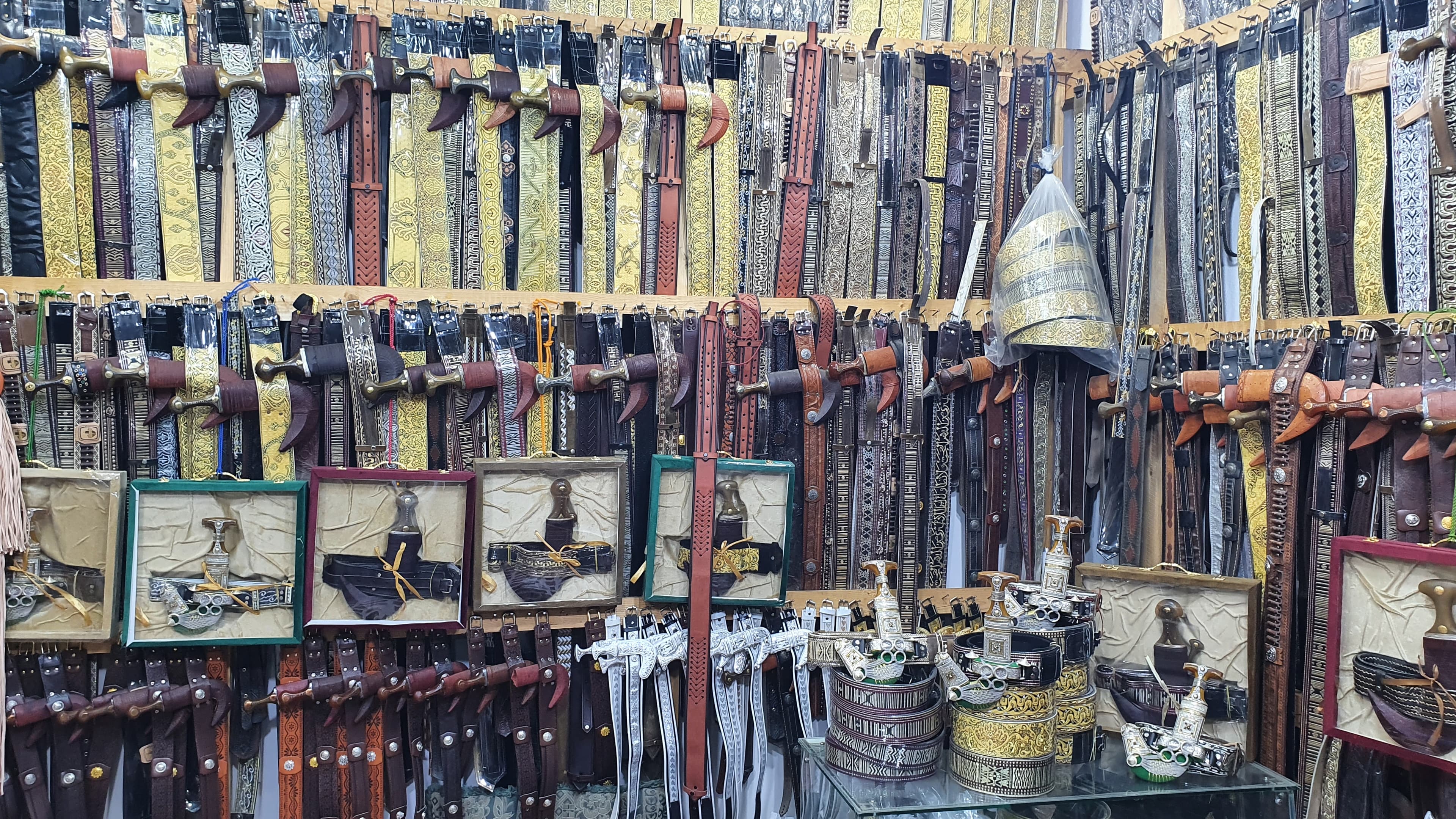
Souq Twaheen is a living testament to Tabuk's rich commercial heritage, where the rhythms of traditional Arabian trading still echo through narrow passageways lined with merchant stalls. This authentic marketplace pulses with energy as vendors display an impressive array of local crafts, aromatic spices, vibrant textiles, and regional specialties that reflect the cultural identity of northwestern Saudi Arabia. The souk embodies the spirit of hospitality and entrepreneurship that has defined Arabian commerce for centuries, offering visitors an immersive journey into local life beyond the typical tourist experience.
Souq Twaheen represents an important cultural institution in Tabuk, preserving traditional retail practices and local artisan traditions in an era of modern shopping centers. The marketplace has served as a gathering place for the community for generations, functioning not merely as a commercial hub but as a social and cultural nexus where stories are shared, relationships are built, and the authentic pulse of Tabuk life can be felt. Its winding corridors and intimate vendor relationships create an atmosphere that no modern mall can replicate, making it an essential destination for travelers seeking genuine cultural immersion.
Best Time to Visit Souq Twaheen
- October to April: The cooler months offer the most comfortable shopping experience, with pleasant temperatures ideal for leisurely exploration of the marketplace
- Early morning hours (7:00 AM to 10:00 AM): Visit when vendors are setting up and the souk is less crowded, allowing for a more intimate experience and better photo opportunities
- Late afternoon (4:00 PM to 6:00 PM): Experience the marketplace as locals do, when the day cools and the souk comes alive with evening shoppers
- Weekdays: Expect fewer crowds compared to weekends, providing a more relaxed browsing experience
- Avoid midday summer visits (June to August): Temperatures can exceed 40°C (104°F), making extended outdoor exploration uncomfortable
- Special occasions and religious holidays: The souk becomes particularly festive during Eid celebrations and national holidays, offering unique cultural experiences and special merchandise displays
Tickets Information for Souq Twaheen
- Free entry: Souq Twaheen is a public marketplace with no admission fee
- Shopping at individual stalls: Prices vary depending on merchandise selected, from affordable spice packets starting at 1 USD to premium handcrafted items ranging from 20 USD to 200 USD or more
- Guided tours: Optional private guides available through local tourism operators, typically ranging from 30 USD to 60 USD for a 2-3 hour experience
- Photography: Generally permitted throughout the marketplace, though it is courteous to ask vendors before photographing their stalls or products
- No age restrictions: The souk welcomes visitors of all ages and family groups
Opening Hours for Souq Twaheen
- Saturday to Thursday: Generally open from 7:00 AM to 1:00 PM and 4:00 PM to 10:00 PM
- Friday: Typically opens later, around 9:00 AM, with afternoon hours from 4:00 PM to 10:00 PM (hours may vary as Friday is a religious day)
- Seasonal variations: Hours may shift slightly during summer months to accommodate cooler evening shopping
- Ramadan adjustments: Operating hours change during Ramadan, with extended evening hours after iftar (breaking of the fast)
- No advance booking required: The souk operates as a traditional open marketplace with no reservation system
- Best to confirm current hours: Contact local tourism offices or hotels in Tabuk for any recent schedule changes
Things to See / Key Attractions Near Souq Twaheen
- Spice and herb stalls: Discover aromatic collections of saffron, cardamom, frankincense, and traditional Arabian spice blends that have been traded along ancient routes for centuries
- Textile and fabric vendors: Browse vibrant silks, traditional abayas, embroidered fabrics, and locally-produced textiles featuring authentic Saudi patterns and designs
- Handcrafted jewelry: Explore traditional gold and silver jewelry displays, including intricate pieces featuring pearls and precious stones reflecting Arabian craftsmanship
- Souvenirs and local crafts: Find authentic gifts such as prayer beads, traditional daggers (jambiyas), decorative items, and handmade pottery unique to the region
- Fresh produce section: Witness vendors selling locally-grown dates, nuts, dried fruits, and fresh vegetables that supply the community
- Traditional coffee and tea vendors: Experience the social aspect of the souk by sampling Arabic coffee and traditional mint tea offered by merchants
- Narrow alleyways and hidden corners: Venture beyond main passages to discover smaller specialty shops and family-run businesses that have operated for decades
- Merchant interactions: Engage with shop owners who often share stories about their products, families, and the history of the marketplace
Visitor Tips for Souq Twaheen
- Wear comfortable walking shoes: The marketplace involves considerable walking on uneven surfaces through narrow corridors
- Dress modestly: Respect local customs by wearing conservative clothing, particularly long pants or skirts and covered shoulders
- Bring cash: Many vendors operate on cash-only basis, though some larger stalls may accept card payments
- Negotiate respectfully: Bargaining is part of souk culture, but approach negotiations with respect and good humor rather than aggressive tactics
- Carry a reusable bag: Many vendors use plastic bags; bringing your own is both environmentally responsible and practical
- Stay hydrated: Carry water, especially during warmer months, as the marketplace can feel warm despite early morning or evening visits
- Allow 2-3 hours: Plan sufficient time to explore the souk properly without rushing through the experience
- Accessible for most visitors: The marketplace is generally walkable for those with moderate mobility, though narrow passages and uneven surfaces may challenge wheelchair users
- Family-friendly: The souk welcomes families and children, offering a safe, social environment for all ages
- Photography etiquette: Always ask permission before photographing vendors or their merchandise, as this is a sign of respect
- Visit during cooler hours: Avoid the hottest parts of the day, particularly in summer months
How to Reach Souq Twaheen
- From Prince Abdul Mohsin Bin Abdulaziz Airport (Tabuk): Approximately 20-25 kilometers south of the airport; approximately 25-30 minutes by taxi or rental car
- From Tabuk city center: Located in the heart of the old city, within walking distance from most central hotels and landmarks
- Local transportation: Taxis and ride-sharing services (Uber, Careem) readily available throughout Tabuk for convenient access
- Driving directions: The souk is situated in the traditional marketplace district; GPS coordinates and local hotel concierges can provide precise navigation
- Parking: Street parking available near the marketplace entrance, though spaces may be limited during peak shopping hours
- Walking distance from accommodations: Many hotels in central Tabuk are within 1-2 kilometers of the souk, making it accessible on foot for those comfortable with urban walking
- Public transportation: Local buses serve the marketplace area, though taxis remain the most convenient option for visitors
Nearby Attractions & Where to Eat Souq Twaheen
- Tabuk Fort (Al-Qal'ah): Located approximately 2 kilometers away, this historic fortress showcases Ottoman and Saudi architectural heritage with panoramic views of the city
- Tabuk Museum: Situated nearby in the city center, this museum houses artifacts and exhibits documenting the region's rich historical and cultural significance
- Local restaurants near the souk: Several traditional Saudi restaurants operate adjacent to and within the marketplace, serving authentic cuisine such as kabsa, shawarma, and grilled meats
- Coffee shops and tea vendors: Numerous cafes throughout the souk and surrounding area offer traditional Arabic coffee, mint tea, and light refreshments perfect for a midday break
- Street food experiences: Vendors throughout the marketplace offer fresh dates, nuts, and traditional snacks that provide authentic flavors of the region
Important Tips
People also ask :
Address
Souq Twaheen, Old City Center, Tabuk, Tabuk Province, Saudi Arabia
Explore
Tabuk's Beauty
Wadi Al Disah, Tabuk
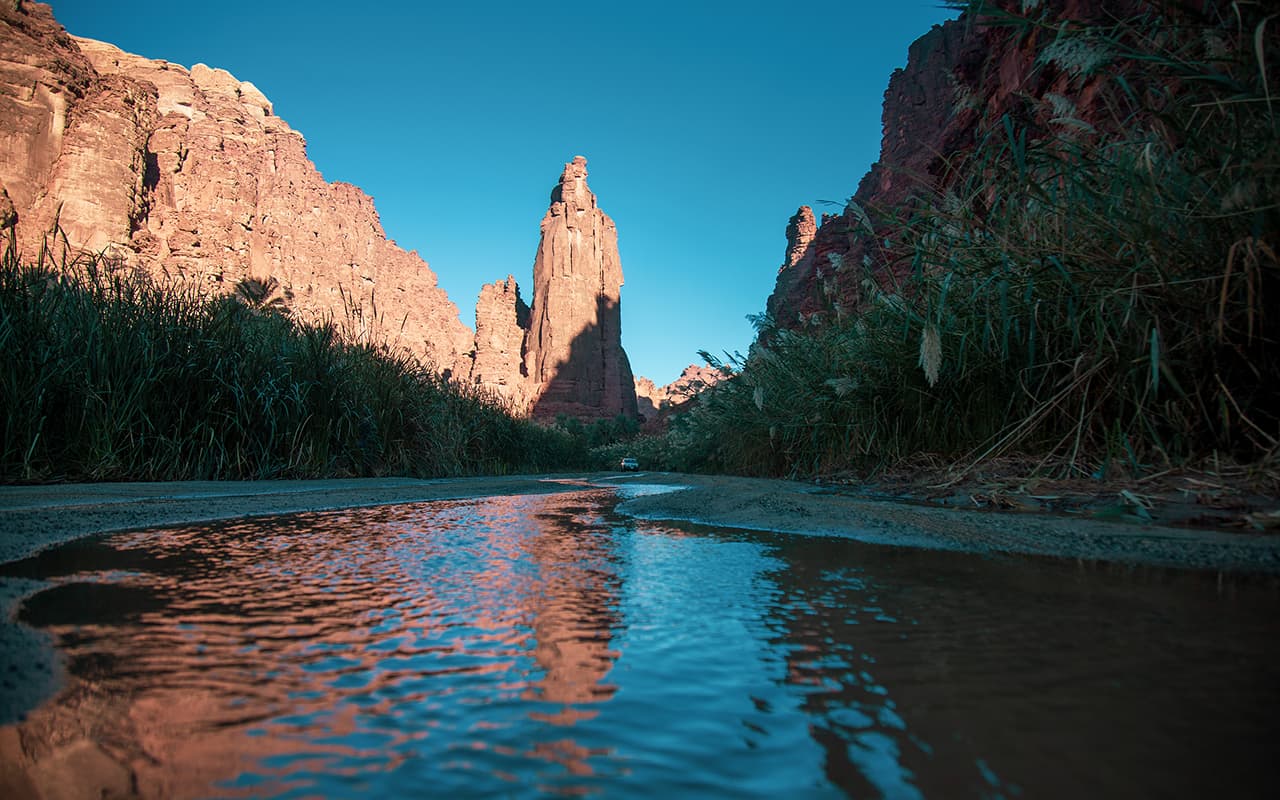
Wadi Al Disah is a stunning natural canyon in Tabuk Province featuring dramatic sandstone cliffs, lush date palm groves, and a refreshing freshwater stream that creates an oasis-like paradise in the heart of the Arabian desert. This hidden gem offers visitors a unique blend of geological wonder and peaceful natural beauty, perfect for hiking, swimming, and experiencing authentic desert landscapes.
Ain Sukkar (Sugar Spring), Tabuk
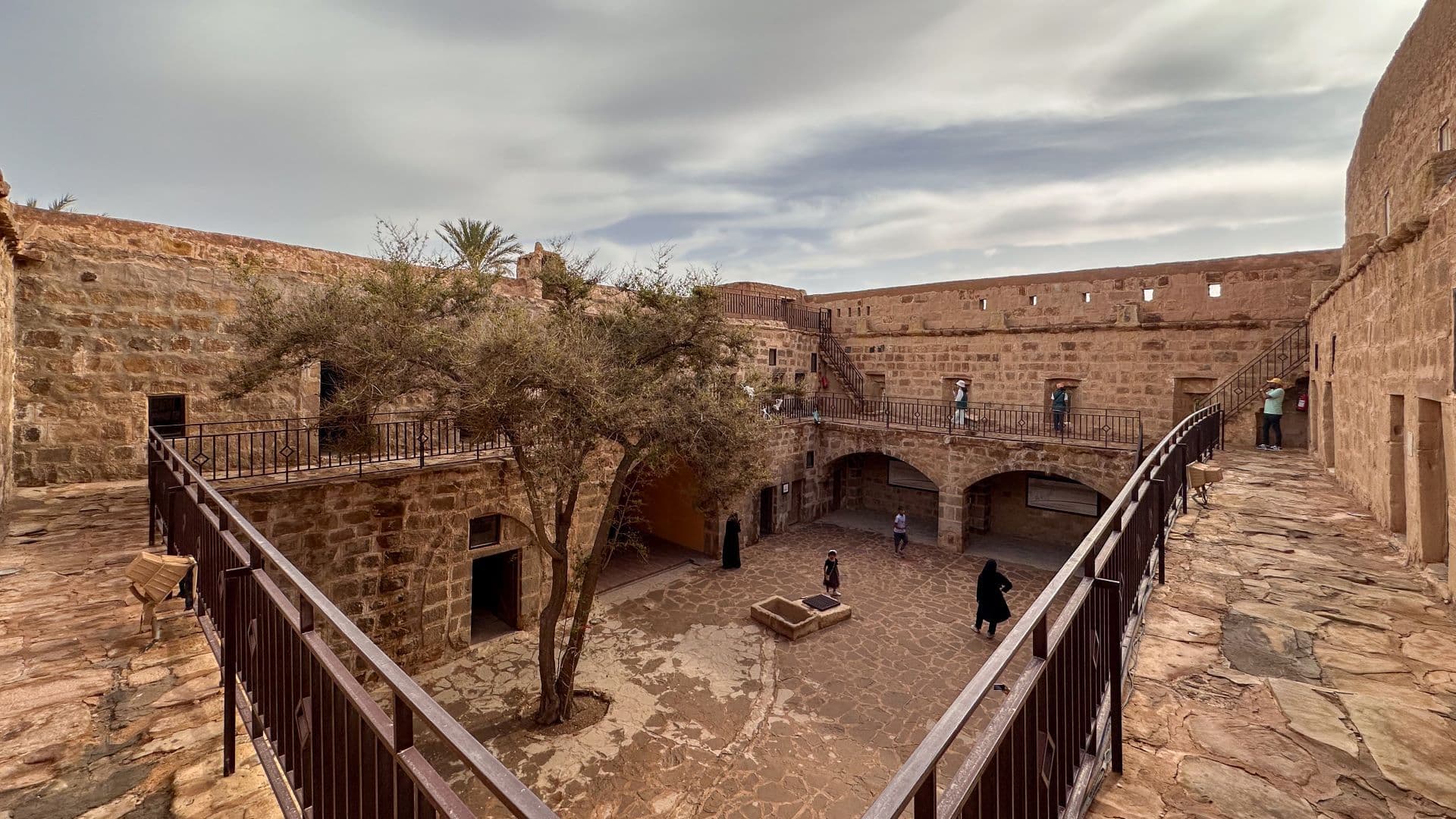
Ain Sukkar, or Sugar Spring, is a natural thermal spring nestled in the Tabuk Province of Saudi Arabia, renowned for its warm, mineral-rich waters and stunning desert landscape. This hidden oasis offers visitors a unique opportunity to experience authentic natural hot springs while surrounded by dramatic rocky terrain and pristine wilderness.
Tabuk Regional Museum, Tabuk
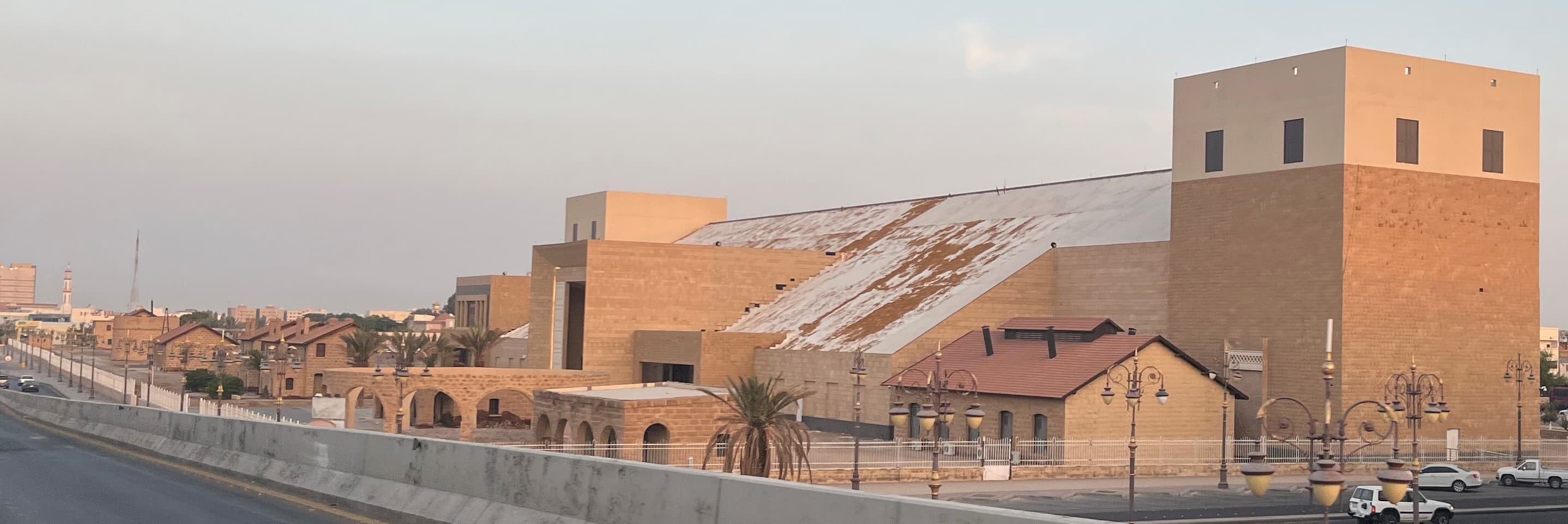
Tabuk Regional Museum is a compelling cultural institution in northwestern Saudi Arabia that preserves the rich heritage and history of the Tabuk region. Housed in a striking modern building, the museum showcases archaeological artifacts, traditional crafts, and exhibits that trace the area's significance from ancient trade routes to contemporary times.
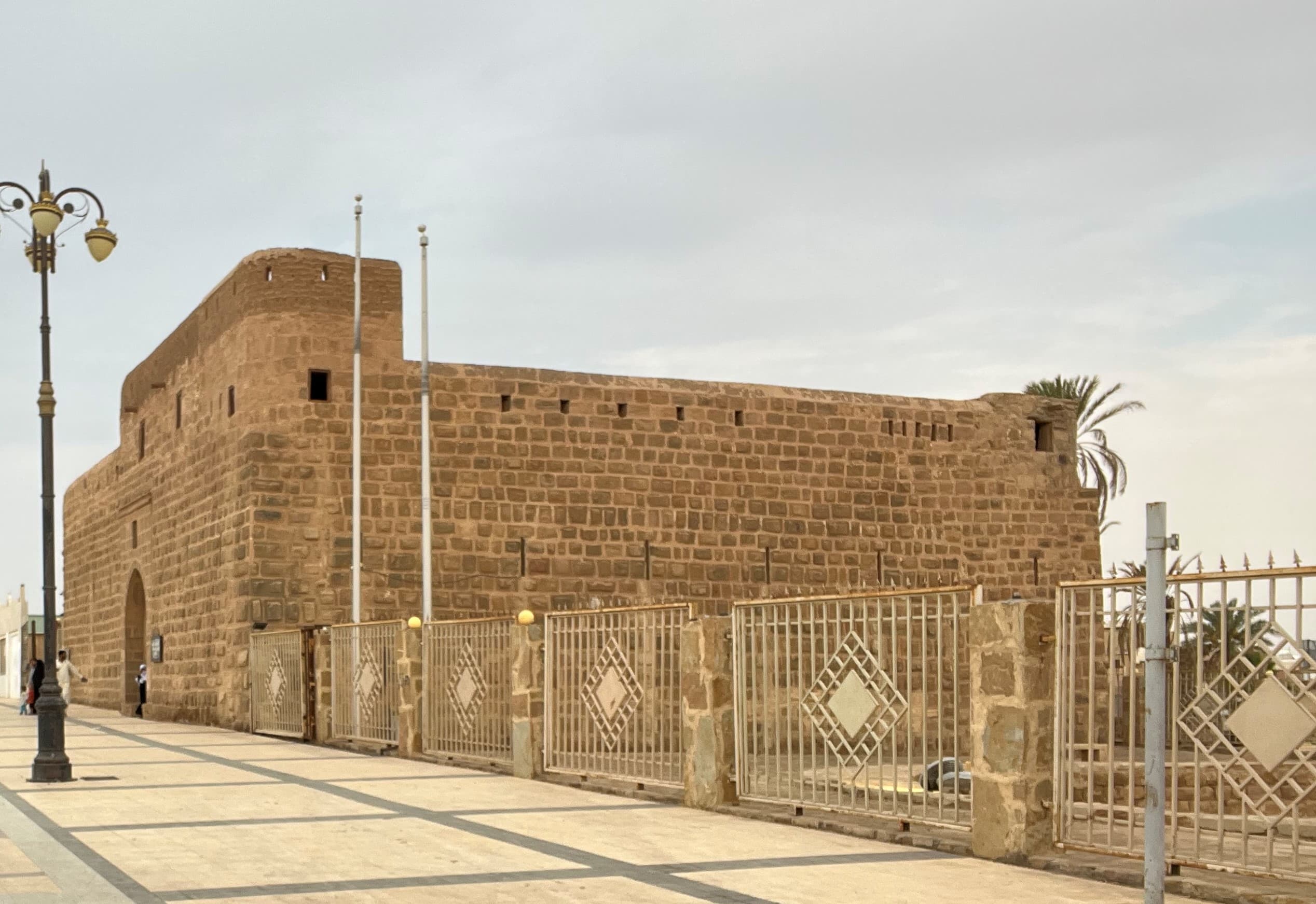
Tabuk Castle, Tabuk
Tabuk Castle is a historic fortress located in the heart of Tabuk city, serving as a remarkable testament to the region's rich military and cultural heritage. Built in the 16th century during the Ottoman era, this well-preserved structure showcases traditional Islamic architecture and offers visitors a glimpse into centuries of Arabian history.
Explore More
Read More
Latest Blogs

What Is Traditional Najdi Architecture? A Complete Guide to Saudi Arabia’s Earthen Wonders
In the heart of the Arabian Peninsula, surrounded by sweeping deserts, rocky escarpments, and golden plains, lies Najd—the central region of Saudi Arabia. For centuries, the people of Najd adapted to one of the most challenging environments on Earth, developing a unique style of building known as Najdi Architecture. Built entirely from local natural materials—mud, straw, tamarisk wood, and limestone—this indigenous building technique created entire cities that naturally resisted extreme desert heat, fostered close-knit community bonds, and displayed subtle, geometric beauty.

Best Railway Journeys in Saudi Arabia
Traveling across Saudi Arabia by train is one of the most serene, comfortable, and visually captivating ways to experience the Kingdom's vast and varied landscapes. The hum of electric engines gliding over smooth steel tracks, the shifting colors of golden dunes outside panoramic windows, and the quiet luxury of modern passenger cars create a travel experience that feels both futuristic and deeply connected to ancient caravan routes.
.jpg%3Falt%3Dmedia%26token%3D6d572ee6-539e-44fa-ac36-dd482d972b86&w=3840&q=75)
How to Travel Saudi Arabia Without a Car
For decades, navigating the vast deserts and sprawling cities of Saudi Arabia seemed almost impossible without getting behind the wheel of a car. However, a major infrastructure transformation has opened up the Kingdom like never before. Today, travelers can journey between ancient oasis towns, Red Sea coastal cities, high-tech metropolises, and misty mountain retreats smoothly, safely, and comfortably without ever driving a single kilometer.

Complete Guide to Train Travel in Saudi Arabia
Travelling across Saudi Arabia by train is one of the most rewarding, comfortable, and scenic ways to experience the Kingdom’s vast landscapes. From the sleek, ultra-modern high-speed bullet trains gliding across desert dunes at 300 km/h to long-distance passenger sleeper trains cutting through central sand seas and northern valleys, the Saudi railway network has transformed into a world-class transit system.

Why Jazan Is Saudi Arabia's Most Underrated Region
When travelers plan a journey to Saudi Arabia, their itineraries often focus on the dramatic sandstone tombs of AlUla, the glittering skyscrapers and heritage quarters of Riyadh, or the historic coastal charm of Jeddah. Yet, tucked away in the far southwestern corner of the Kingdom, bordering the Red Sea and Yemen, lies Jazan—a province that remains one of Arabia's best-kept secrets.
Read All