Tabuk Castle
Important things to know :
About Tabuk Castle
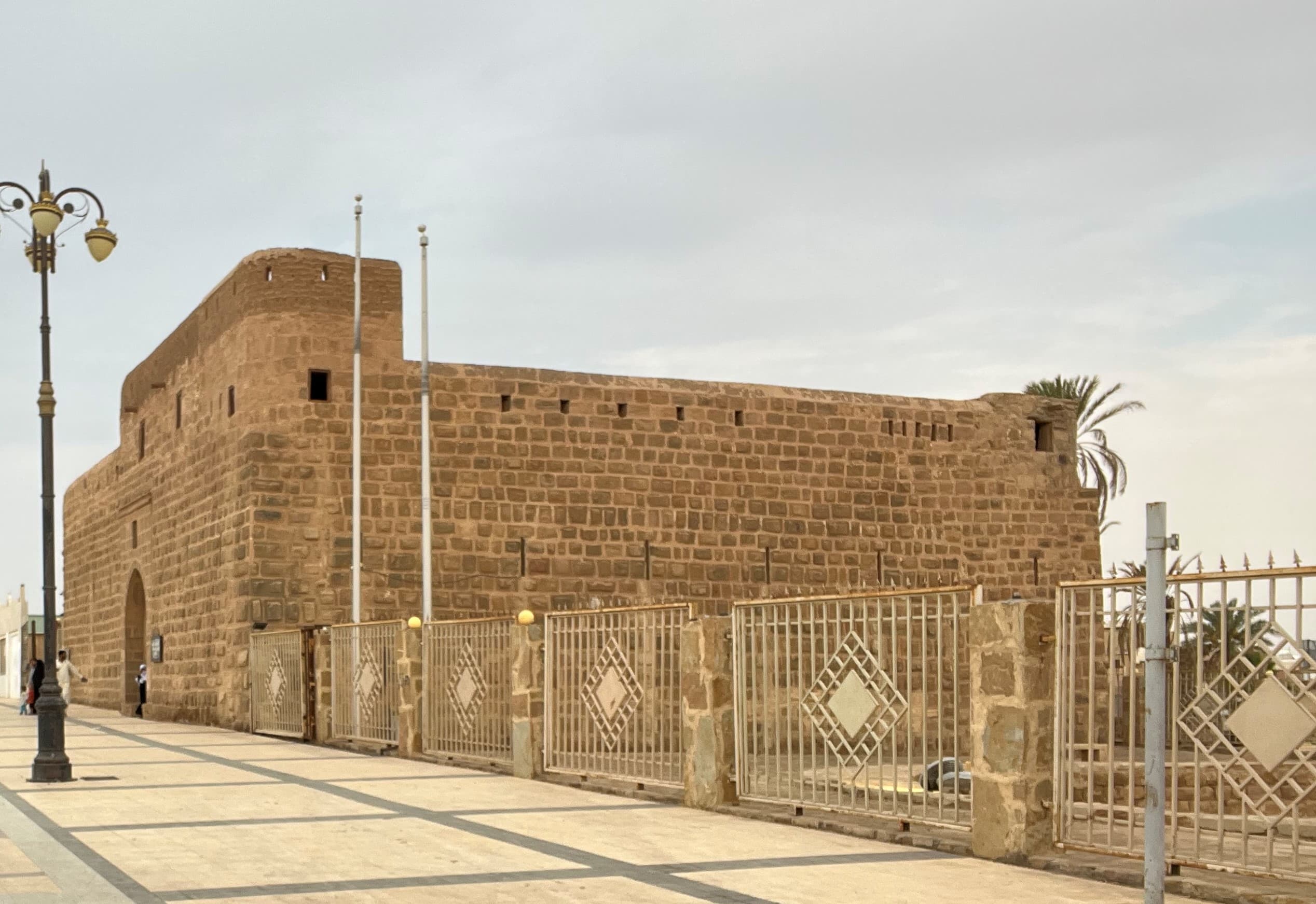
Tabuk Castle rises majestically from the heart of Tabuk city, a silent sentinel guarding centuries of Arabian heritage and strategic significance. This imposing fortress, constructed during the Ottoman period in the 16th century, represents a pivotal moment when the region served as a crucial military and trade outpost along historic caravan routes connecting the Arabian Peninsula to the Levant and beyond.
The castle's architectural design reflects the sophisticated military engineering of the Ottoman era, featuring robust stone walls, strategic corner towers, and carefully planned defensive positions. Its construction marked an important consolidation of Ottoman control over northwestern Arabia, and the fortress became instrumental in protecting trade routes and maintaining administrative authority in the region. Today, Tabuk Castle stands as one of the most significant historical monuments in the Tabuk Province, recognized for its cultural importance and exceptional preservation of Islamic military architecture.
Best Time to Visit Tabuk Castle
- October to March offers the most comfortable weather, with mild temperatures ranging from 15-25°C (59-77°F)
- November and December are ideal months, featuring cool mornings and pleasant afternoons perfect for exploration
- Early morning visits between 7-9 AM provide cooler conditions and softer golden light for photography
- Late afternoon visits from 4-6 PM offer stunning sunset views over the castle and surrounding cityscape
- Avoid summer months (June-August) when temperatures exceed 40°C (104°F), making outdoor exploration uncomfortable
- Spring months (March-April) bring occasional rainfall and wildflower blooms in the surrounding landscape
Tickets Information for Tabuk Castle
- General admission: 5 USD per adult
- Children (under 12 years): Free admission
- Students with valid ID: 2.5 USD
- Family packages available starting from 12 USD for groups of 4-5 people
- Senior citizens (over 60): 2.5 USD
- Group tours (10+ people): Special rates available upon request
- No height or weight restrictions for entry
- Photography is permitted throughout the castle grounds
Opening Hours for Tabuk Castle
- Daily opening hours: 8:00 AM to 5:00 PM year-round
- Last admission: 4:30 PM (allows 30 minutes for final exploration)
- Closed on major Islamic holidays; check local announcements for specific dates
- Extended hours during special cultural events and festivals
- Advance booking not required for individual visitors
- Group visits of 15+ people should contact ahead for coordination
- Guided tours available in Arabic; English tours by special arrangement
Things to See / Key Attractions Near Tabuk Castle
- The Main Tower: A formidable five-story structure offering panoramic views of Tabuk city and the surrounding desert landscape from its observation deck
- Historic Chambers: Explore the restored interior rooms that once housed Ottoman soldiers and administrators, featuring traditional architectural elements and period furnishings
- The Defensive Walls: Walk along the impressively preserved stone fortifications featuring arrow slits and strategic vantage points designed for medieval warfare
- Central Courtyard: A serene open space within the castle walls, historically used for military drills and administrative gatherings
- The Gate Complex: Examine the intricate entrance design with its defensive mechanisms and architectural details reflecting Ottoman military engineering
- Museum Exhibits: View artifacts, historical documents, and displays explaining the castle's significance in regional trade routes and military history
- Sunset Viewpoint: The castle's elevated position provides breathtaking views of the city bathed in golden evening light
Visitor Tips for Tabuk Castle
- Wear comfortable walking shoes with good grip, as the stone floors can be uneven and steep stairs are present throughout the castle
- Bring a hat, sunglasses, and sunscreen, especially for visits during spring and fall when UV exposure is significant
- Carry a water bottle to stay hydrated, particularly during warmer months or extended visits
- Dress modestly in respect of local customs; lightweight, long-sleeved clothing is recommended for sun protection
- Plan for 1.5 to 2 hours to fully explore the castle and appreciate its historical significance
- Visit during early morning hours to avoid crowds and experience the castle in peaceful solitude
- Bring a camera or smartphone for capturing the stunning architecture and city views from elevated positions
- The castle has limited wheelchair accessibility due to historic stone construction and multiple stairs; visitors with mobility concerns should plan accordingly
- Children will enjoy the exploration aspect, though supervision is necessary on stairs and elevated areas
How to Reach Tabuk Castle
- Nearest airport: Prince Sultan Bin Abdulaziz Airport (TUU) in Tabuk, approximately 15 km south of the castle
- From the airport: Approximately 20-25 minutes by taxi or rental car to reach the castle in the city center
- Public transportation: Local buses and shared taxis (white taxis) operate throughout Tabuk city; ask drivers for "Al-Qal'ah" (the castle)
- Driving: The castle is centrally located in Tabuk; GPS coordinates can be used for navigation, with ample parking available nearby
- Walking distance: If staying in central Tabuk hotels, the castle is within 1-2 km walking distance with clear directional signage
- Rental car services available at the airport for independent exploration of the region
Nearby Attractions & Where to Eat Tabuk Castle
- Al-Rajhi Mosque: A stunning modern mosque located near the castle featuring beautiful Islamic architecture and intricate design elements, open to visitors outside prayer times
- Tabuk Museum: Situated close to the castle, this museum houses extensive collections of artifacts, historical documents, and exhibits detailing the region's pre-Islamic and Islamic heritage
- Dumat Al-Jandal: An ancient archaeological site approximately 250 km northeast of Tabuk, featuring pre-Islamic inscriptions and historical ruins for those interested in deeper historical exploration
- Al-Nakheel Restaurant: A popular local eatery near the castle serving traditional Saudi cuisine including kabsa, grilled meats, and fresh mezze platters in a welcoming atmosphere
- Café Al-Reef: A charming traditional café offering Arabic coffee, fresh juices, and local pastries—perfect for a refreshing break after exploring the castle
Important Tips
People also ask :
Address
Tabuk Castle, Al-Qal'ah Street, Tabuk City, Tabuk Province, Saudi Arabia
Explore
Tabuk's Beauty
Wadi Al Disah, Tabuk
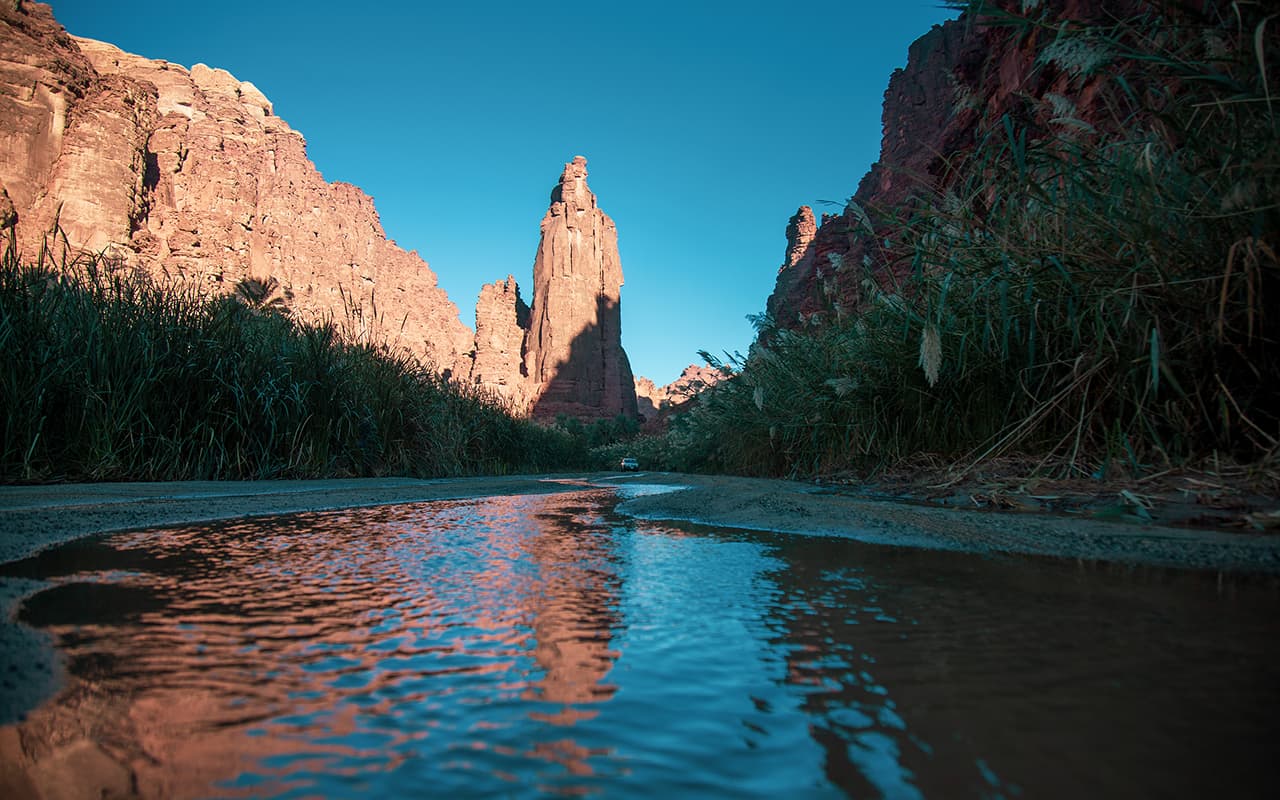
Wadi Al Disah is a stunning natural canyon in Tabuk Province featuring dramatic sandstone cliffs, lush date palm groves, and a refreshing freshwater stream that creates an oasis-like paradise in the heart of the Arabian desert. This hidden gem offers visitors a unique blend of geological wonder and peaceful natural beauty, perfect for hiking, swimming, and experiencing authentic desert landscapes.
Ain Sukkar (Sugar Spring), Tabuk
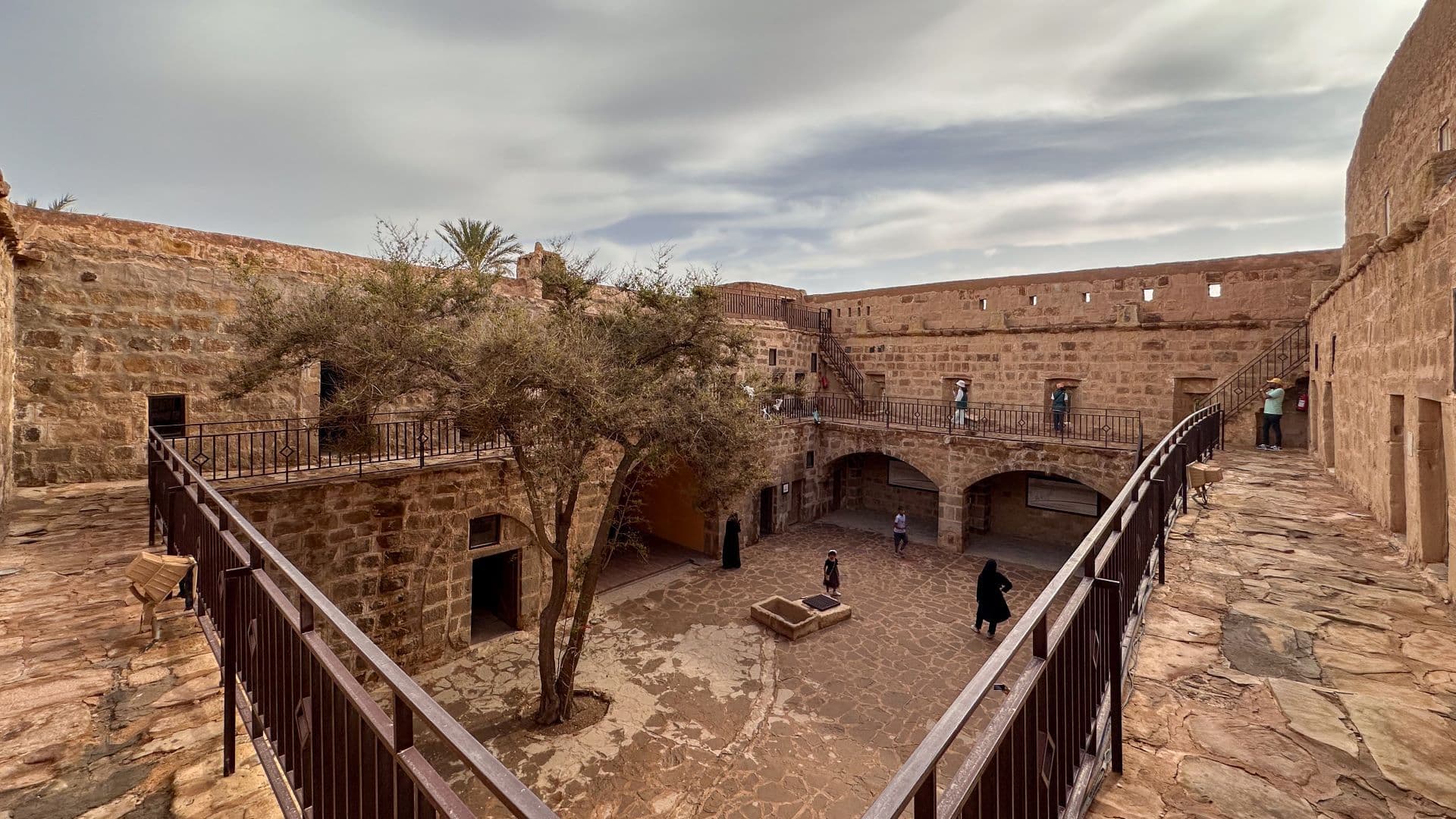
Ain Sukkar, or Sugar Spring, is a natural thermal spring nestled in the Tabuk Province of Saudi Arabia, renowned for its warm, mineral-rich waters and stunning desert landscape. This hidden oasis offers visitors a unique opportunity to experience authentic natural hot springs while surrounded by dramatic rocky terrain and pristine wilderness.
Tabuk Regional Museum, Tabuk
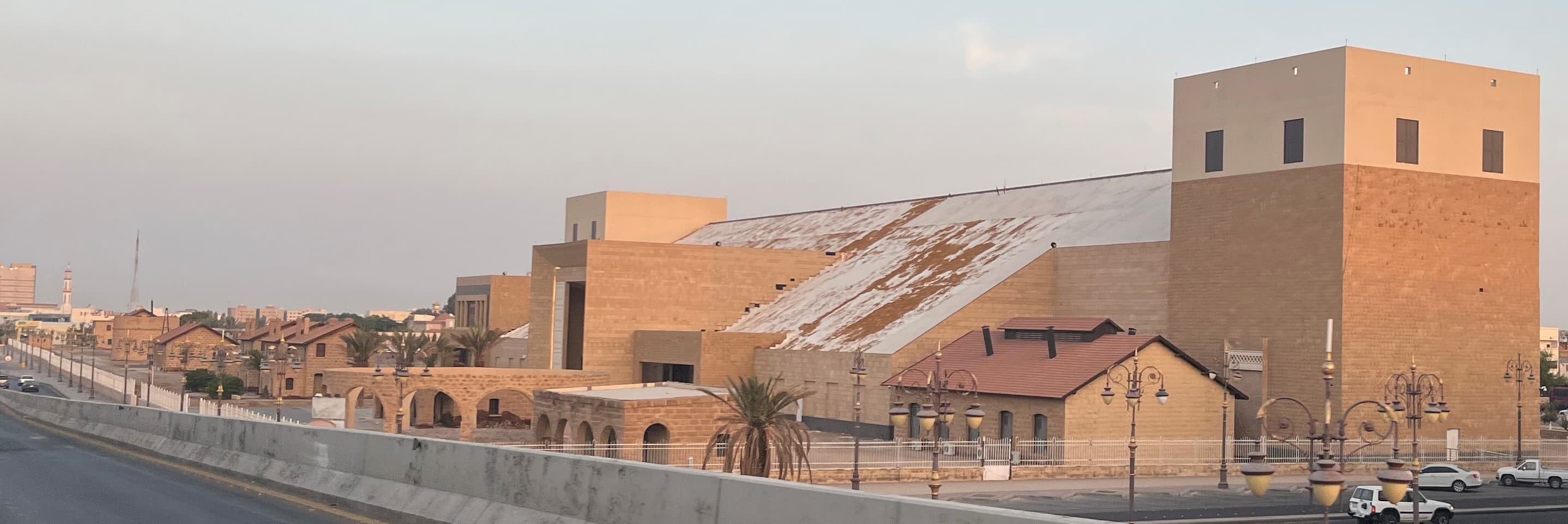
Tabuk Regional Museum is a compelling cultural institution in northwestern Saudi Arabia that preserves the rich heritage and history of the Tabuk region. Housed in a striking modern building, the museum showcases archaeological artifacts, traditional crafts, and exhibits that trace the area's significance from ancient trade routes to contemporary times.
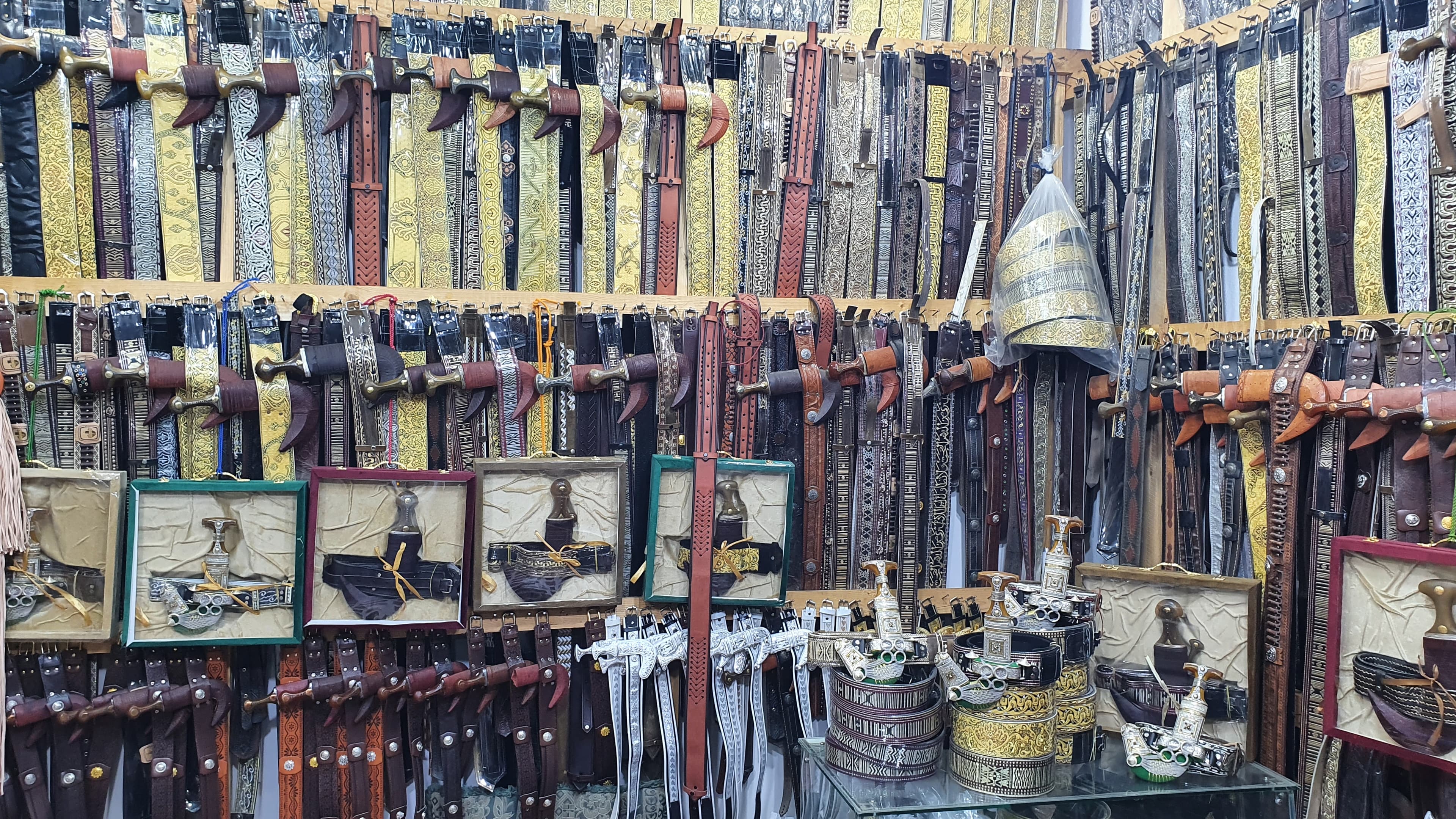
Souq Twaheen, Tabuk
Souq Twaheen is a vibrant traditional marketplace in Tabuk that captures the essence of Arabian commerce and culture. This bustling souk showcases local crafts, spices, textiles, and authentic Saudi goods in a lively atmosphere brimming with history and hospitality.
Explore More
Read More
Latest Blogs

Best Things to Do in Riyadh at Night
As the desert sun dips below the horizon, Riyadh undergoes an extraordinary transformation. The golden daytime heat gives way to cool, pleasant evening breezes, and Saudi Arabia's capital city bursts into a glittering metropolis of lights, music, culinary aromas, and bustling energy. Nighttime in Riyadh is not merely an afterthought—it is when the city truly comes alive. From the illuminated mud-brick palaces of ancient Diriyah and lively heritage souks filled with the scent of frankincense and cardamom to dazzling entertainment zones, rooftop dining, and peaceful desert stargazing, Riyadh offers an incredible variety of after-dark experiences. Whether you are seeking cultural immersion, world-class entertainment, or quiet late-night reflection beneath desert skies, this guide covers the absolute best things to do in Riyadh at night.

What Is Traditional Najdi Architecture? A Complete Guide to Saudi Arabia’s Earthen Wonders
In the heart of the Arabian Peninsula, surrounded by sweeping deserts, rocky escarpments, and golden plains, lies Najd—the central region of Saudi Arabia. For centuries, the people of Najd adapted to one of the most challenging environments on Earth, developing a unique style of building known as Najdi Architecture. Built entirely from local natural materials—mud, straw, tamarisk wood, and limestone—this indigenous building technique created entire cities that naturally resisted extreme desert heat, fostered close-knit community bonds, and displayed subtle, geometric beauty.

Best Railway Journeys in Saudi Arabia
Traveling across Saudi Arabia by train is one of the most serene, comfortable, and visually captivating ways to experience the Kingdom's vast and varied landscapes. The hum of electric engines gliding over smooth steel tracks, the shifting colors of golden dunes outside panoramic windows, and the quiet luxury of modern passenger cars create a travel experience that feels both futuristic and deeply connected to ancient caravan routes.
.jpg%3Falt%3Dmedia%26token%3D6d572ee6-539e-44fa-ac36-dd482d972b86&w=3840&q=75)
How to Travel Saudi Arabia Without a Car
For decades, navigating the vast deserts and sprawling cities of Saudi Arabia seemed almost impossible without getting behind the wheel of a car. However, a major infrastructure transformation has opened up the Kingdom like never before. Today, travelers can journey between ancient oasis towns, Red Sea coastal cities, high-tech metropolises, and misty mountain retreats smoothly, safely, and comfortably without ever driving a single kilometer.

Complete Guide to Train Travel in Saudi Arabia
Travelling across Saudi Arabia by train is one of the most rewarding, comfortable, and scenic ways to experience the Kingdom’s vast landscapes. From the sleek, ultra-modern high-speed bullet trains gliding across desert dunes at 300 km/h to long-distance passenger sleeper trains cutting through central sand seas and northern valleys, the Saudi railway network has transformed into a world-class transit system.
Read All