What Is Traditional Najdi Architecture? A Complete Guide to Saudi Arabia’s Earthen Wonders
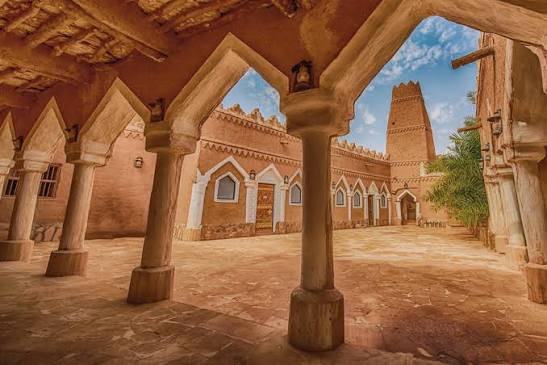
Today, as Saudi Arabia undergoes a cultural renaissance, Najdi architecture is celebrated as a fundamental symbol of national identity. From the UNESCO World Heritage site of At-Turaif in Diriyah to modern interpretations like Bujairi Terrace and the master-planned mega-projects in Riyadh, Najdi design principles continue to inspire architects worldwide.
Here is an in-depth guide to understanding traditional Najdi architecture, its defining features, climate-smart engineering, and the best heritage destinations where travelers can experience it firsthand.
Key Defining Characteristics of Najdi Architecture
Najdi building design is immediately recognizable. It balances raw practicality with subtle craftsmanship. Here are the core architectural elements that define this traditional style:
1. Sun-Dried Mud Bricks (Laban)
The primary building block of Najdi structures is laban—bricks made from local clay soil mixed with water, straw, and gravel, formed in wooden molds and left to bake under the intense desert sun. Straw acts as a natural binder, preventing cracking. These thick clay walls provide extraordinary thermal insulation, keeping interiors remarkably cool during blistering summer days and holding warmth during cold desert nights.
2. The Central Courtyard (Al-Fana)
Najdi homes are built inwardly around a central open-air courtyard. Because external walls feature few windows to maintain privacy and keep out sandstorms, the central courtyard serves as the heart of the house. It draws cool night air downward, creates natural air circulation, and acts as a private family gathering space away from public view.
3. Triangular Ventilation Cutouts and Geometric Motifs
One of the most striking visual features of Najdi buildings is the decorative triangular cutouts pierced into upper walls and parapets. Known as furaj, these triangular openings allow light to filter into rooms while allowing rising hot air to escape. Groups of triangular patterns also adorn exterior walls, crenellations, and interior plaster panels, creating subtle play between light and shadow throughout the day.
4. Tamarisk Wood Beams and Decorated Palm Doors
Roof structures are crafted using heavy trunks of native tamarisk (athl) trees, topped with layers of palm fronds, woven reeds, and packed mud. Heavy entrance doors are carved from solid wood and painted with bold geometric patterns using natural pigments in shades of yellow, red, green, and blue. These colorful doors served as warm artistic welcomes to visitors.
5. Crenellated Parapets and Watchtowers
Roofs feature stepped crenellations along top edges, giving Najdi palaces and homes a fortress-like silhouette against the desert sky. These high rooftop parapets provided privacy for families sleeping on rooftops under cool summer night skies, as well as defensive vantage points during historical conflicts.
Top Places to Experience Najdi Architecture in Saudi Arabia
To truly understand Najdi architecture, travelers must step inside these ancient mud-brick spaces, feel the drop in temperature beneath thick earthen walls, and walk through winding shaded lanes. Here are the top destinations to visit:
1. At-Turaif District in Diriyah (Riyadh)

Recognized as a UNESCO World Heritage Site, At-Turaif is the historic crown jewel of Najdi architecture. Located on the banks of Wadi Hanifa on the northwestern edge of Riyadh, At-Turaif was the original seat of power of the First Saudi State. Its massive mud-brick palaces, including Salwa Palace, feature multi-story courtyards, defensive towers, and intricate plaster decorative work.
Location: Diriyah, Riyadh Province, Saudi Arabia
Distance from capital city centre: Approximately 20 km northwest of central Riyadh (King Fahd Road)
Mode of transportation and rates: Taxis or rideshare apps (Uber/Careem) from central Riyadh cost around USD 15–25. Entry pass access to Diriyah and Bujairi Terrace ranges from USD 15–30 depending on peak hours and dining reservations.
Things to do nearby:
-
Take a guided walking tour through the restored Salwa Palace Museum and At-Turaif ruins
-
Dine at world-class luxury and traditional Saudi restaurants at Bujairi Terrace overlooking the lit-up mud palaces
-
Walk through the lush palm groves of Wadi Hanifa along paved pedestrian paths
-
Shop for traditional handicrafts, perfumes, and souvenirs in heritage boutiques
2. Ushaiqer Heritage Village

Nestled in the heart of the Najd region, Ushaiqer is one of Saudi Arabia’s oldest and best-preserved mud-brick villages. Enclosed by thick stone walls and shaded palm groves, walking through Ushaiqer’s maze of narrow covered alleyways (sefeefah) feels like stepping directly back into the 17th century. The local community has lovingly restored dozens of traditional homes, turning them into museums and traditional tea houses.
Location: Ushaiqer, Riyadh Province, Saudi Arabia
Distance from capital city: Approximately 200 km northwest of Riyadh (approx. 2 hours by car)
Mode of transportation and rates: Private car rental from Riyadh airport costs USD 35–65 per day. Day-tour excursions booked through Riyadh travel agencies range from USD 90–160 per person including transport, guide, and traditional lunch.
Things to do nearby:
-
Explore the Al-Salem Museum, filled with ancient tools, weapons, traditional clothing, and household items
-
Walk through shaded mud-brick alleyways and photograph original carved wooden doors
-
Enjoy traditional Najdi dishes like Kabsa, Jareesh, and Matazeez at local heritage restaurants
-
Watch the sunset over the golden sand dunes surrounding the village from the North Mountain lookout
3. Al Masmak Fortress and Souq Al Zal (Old Riyadh)

In the heart of historic downtown Riyadh sits Al Masmak Fortress, a thick-walled mud-brick citadel constructed in 1865. Featuring four heavy corner watchtowers and a massive palm-wood gate, Al Masmak played a pivotal role in the unification of Saudi Arabia. Surrounding the fortress is Souq Al Zal, one of Riyadh's oldest traditional bazaars, where Najdi street layout and market architecture remain vibrant today.
Location: Al Thumairi Street, Diriyah / Deera District, Old Riyadh, Saudi Arabia
Distance from city centre: Located in central Old Riyadh (approx. 10 km south of King Fahd District)
Mode of transportation and rates: Riyadh Metro line or rideshare app from central hotels costs USD 5–15. Entry to Al Masmak Fortress Museum is free.
Things to do nearby:
-
Tour the Al Masmak Fortress Museum to see historical weapons, photos, and historical exhibits
-
Shop for hand-woven rugs, Arabian antiques, incense, and silver jewelry at Souq Al Zal
-
Attend the daily late-afternoon traditional carpet auctions in the central souq plaza
-
Sip traditional Saudi coffee flavored with cardamom and saffron at local street cafes
4. Sadus Heritage Village
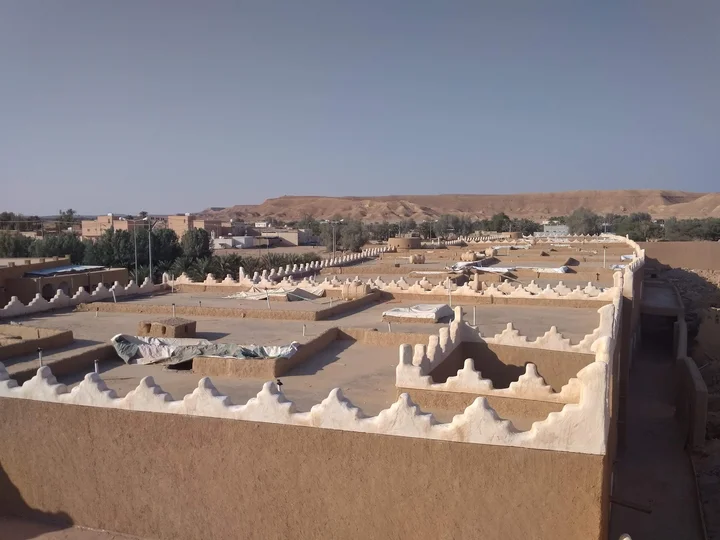
Located near the Tuwaiq Escarpment north of Riyadh, Sadus is a historic oasis village that exemplifies classic Najdi urban planning. The entire settlement was built inside a high defensive wall flanked by watchtowers to protect residents against desert storms and historic raids. The compact mud structures feature exceptional examples of triangular cutouts and tamarisk wood beam ceilings.
Location: Sadus, Riyadh Province, Saudi Arabia
Distance from capital city: Approximately 70 km northwest of central Riyadh
Mode of transportation and rates: Taxi or rental car from Riyadh costs USD 30–50. Guided group day tours from Riyadh cost around USD 70–120.
Things to do nearby:
-
Walk along the narrow covered alleys designed to block out summer desert heat
-
Photograph restored mud-brick watchtowers and carved wooden doors
-
Combine your visit with an afternoon excursion to the nearby Edge of the World (Jebel Fihrayn)
-
Enjoy a traditional outdoor desert tea break near the surrounding palm farms
5. Al Ghat Heritage Village

Stretching along a fertile valley near the Tuwaiq Mountains, Al Ghat Heritage Village offers a picturesque blend of Najdi mud-brick homes built directly against steep rock faces and agricultural date orchards. The town’s renovated Amarah Palace now serves as a comprehensive museum detailing local history, architecture, and desert life.
Location: Al Ghat, Riyadh Province, Saudi Arabia
Distance from capital city: Approximately 230 km northwest of Riyadh
Mode of transportation and rates: Rental car from Riyadh costs USD 35–65 per day. SAPTCO intercity bus tickets cost around USD 15–25.
Things to do nearby:
-
Tour the Al Ghat Museum inside the restored Amarah Palace
-
Hike up the surrounding Tuwaiq mountain trail for panoramic views over the mud village and date groves
-
Visit nearby ancient petroglyphs and rock inscriptions in Al Ghat National Park
-
Sample fresh dates and local produce directly from valley farms
Modern Neo-Najdi Architecture: Bridging Past and Future
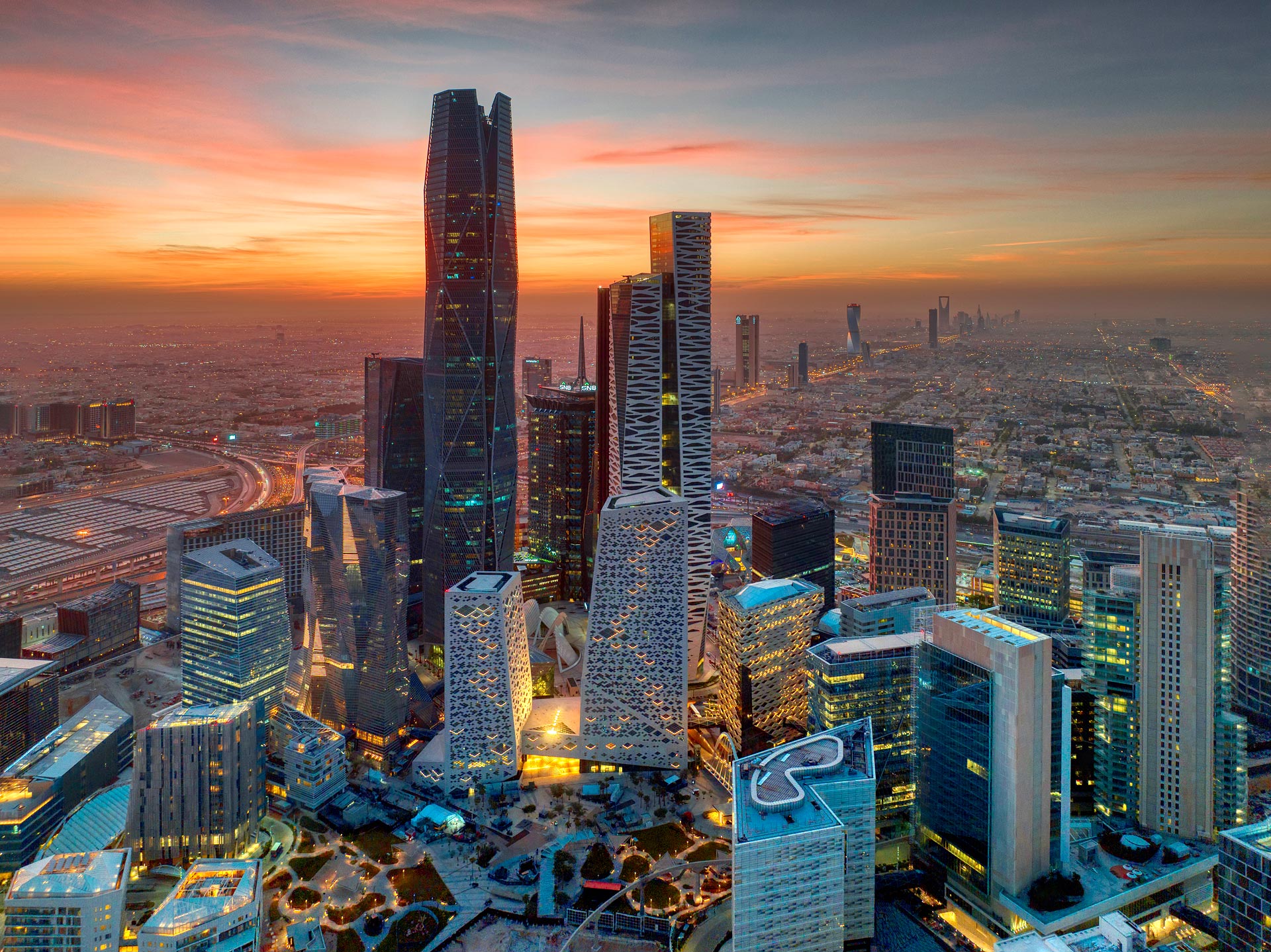
Najdi architecture is not merely an artifact of the past—it is actively shaping the future of Saudi urban development. Architects today use Neo-Najdi principles, incorporating modern sustainable materials, glass, and steel while honoring classic proportions, central courtyards, stone cladding, and geometric triangular cutouts.
Key modern projects inspired by Najdi architecture include:
-
The Diriyah Gate Development: A multi-billion dollar master project constructing world-class cultural, hospitality, and residential hubs in pure Najdi mud-brick aesthetic.
-
King Khalid International Airport Terminals (Riyadh): Incorporates triangular motifs and vaulted ceiling geometry inspired by Najdi palm roofs.
-
Diplomatic Quarter (DQ) Riyadh: Features award-winning modern buildings clad in local limestone and designed with shaded courtyards that echo traditional Najdi cooling techniques.
Tips for Your Trip
-
Best Time to Visit: The cooler winter months (November through March) are ideal for walking through outdoor mud-brick villages, as daytime temperatures range comfortably between 18°C and 25°C.
-
Guided Cultural Tours: Booking a tour with a local Saudi guide (Rawi) provides deep context into family house layouts, historical trade routes, and construction techniques.
-
Respect Local Etiquette: Many heritage villages are home to local communities. Always ask permission before photographing residents, and dress modestly in line with Saudi cultural norms.
Traditional Najdi architecture stands as a timeless testament to human ingenuity and harmony with nature. By using the very soil beneath their feet, the people of Najd built comfortable, sustainable, and beautifully artistic cities that endured for generations. Exploring these sun-baked mud fortresses and winding alleyways offers travelers an irreplaceable window into the rich history and enduring soul of Saudi Arabia.
.jpg?alt=media&token=6d572ee6-539e-44fa-ac36-dd482d972b86)