Wadi Al Disah
Important things to know :
About Wadi Al Disah
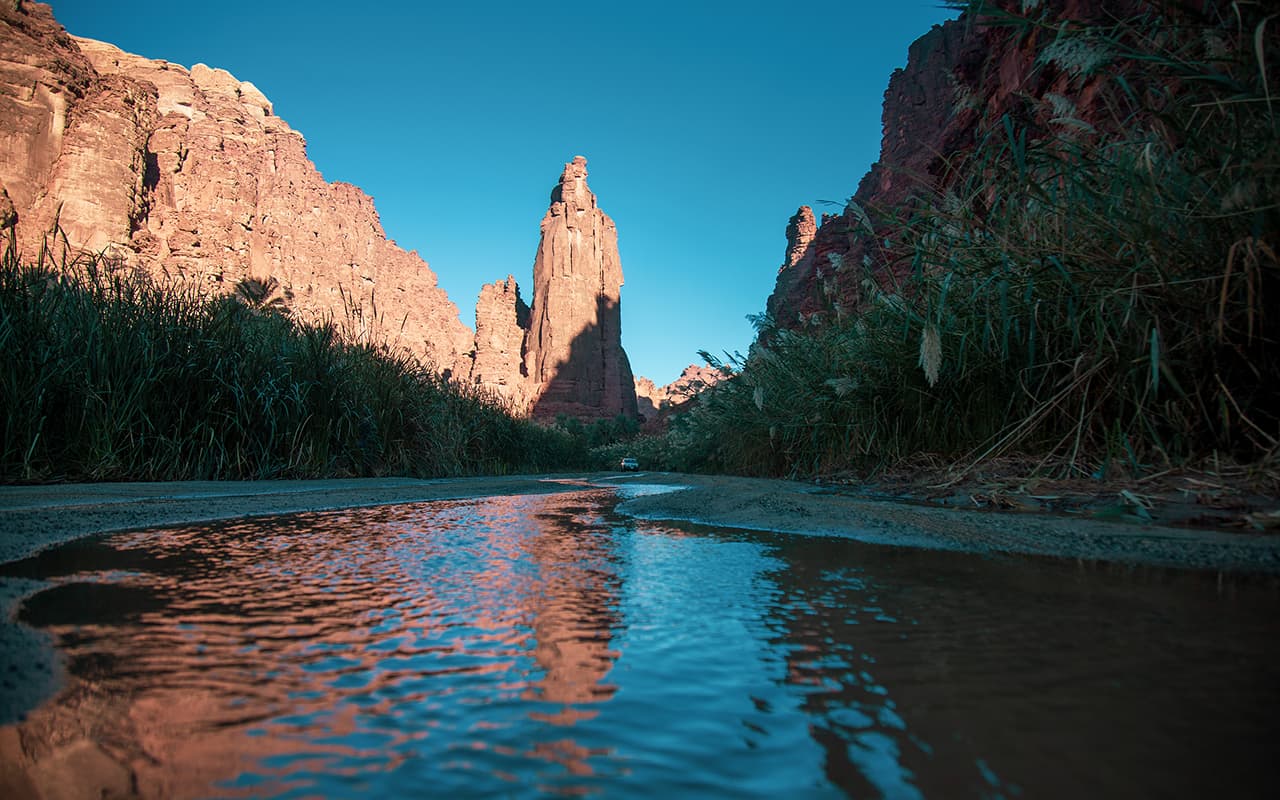
Wadi Al Disah is a mesmerizing natural canyon that reveals the raw beauty and geological complexity of Saudi Arabia's northern desert landscape. Carved through millennia by flowing water, this wadi presents towering sandstone cliffs in shades of rust, gold, and cream that rise dramatically on either side, creating a natural cathedral of stone. The presence of a year-round freshwater stream and thriving date palm groves transforms this arid region into a lush oasis, offering a striking contrast to the surrounding desert terrain. The wadi's unique ecosystem supports diverse flora and fauna, making it a paradise for nature enthusiasts and photographers seeking authentic desert experiences away from crowded tourist routes.
Best Time to Visit Wadi Al Disah
- October to March offers the most comfortable temperatures, with daytime highs between 15-25°C (59-77°F) and cool nights ideal for exploration
- Early morning visits provide the best light for photography, with golden rays illuminating the canyon walls and creating dramatic shadows
- Late afternoon and sunset visits offer spectacular lighting conditions and cooler temperatures as the sun descends behind the cliffs
- Avoid visiting during June to August when temperatures exceed 40°C (104°F) and heat becomes dangerous for outdoor activities
- Spring months (March-April) bring occasional wildflower blooms that add vibrant colors to the landscape
- Winter months (December-February) may bring rare rainfall, creating temporary waterfalls and enhanced water flow in the stream
Tickets Information for Wadi Al Disah
- Free entry to Wadi Al Disah with no admission fees required
- No official ticket system or entrance gates; the wadi is a natural public space accessible to all visitors
- Parking is available near the wadi entrance at no cost
- Guided tours can be arranged through local tourism operators in Tabuk, typically ranging from 30 USD to 75 USD per person depending on group size and duration
- No age restrictions; families with children and seniors can visit freely, though physical fitness is recommended for hiking deeper into the canyon
- Camping and overnight stays are permitted in designated areas; bring your own equipment or arrange through local guides
Opening Hours for Wadi Al Disah
- The wadi is open year-round with no official closing times; visitors can access the site 24 hours a day
- Best visiting hours are between 7:00 AM and 5:00 PM to take advantage of natural daylight and avoid extreme heat
- No advance booking required for general visits; simply arrive at your preferred time
- Guided tours should be booked in advance through local tourism companies in Tabuk city, typically requiring 24-48 hours notice
- Sunrise visits require early morning departure, approximately 5:30-6:00 AM depending on the season
- Sunset visits work best during October-March when the sun sets between 4:30-5:30 PM
Things to See and Key Attractions Near Wadi Al Disah
- Towering sandstone cliffs reaching heights of up to 80 meters, featuring natural striations and geological formations that tell the story of millions of years of erosion
- The freshwater stream flowing through the wadi, creating natural pools perfect for swimming and cooling off during warm months
- Ancient date palm groves that provide shade and sustenance, with some trees reportedly centuries old and producing sweet, high-quality dates
- Natural rock formations and caves scattered throughout the canyon, offering shelter and unique vantage points for exploration
- Diverse wildlife including Arabian ibex, mountain gazelles, and numerous bird species that inhabit the canyon ecosystem
- Hidden alcoves and smaller side canyons branching off from the main wadi, perfect for adventurous hikers seeking solitude
- Stunning panoramic viewpoints at various elevations offering sweeping vistas of the canyon and surrounding desert landscape
- Geological layers exposed in the cliff faces, showcasing different colored sandstone strata and mineral deposits
Visitor Tips for Wadi Al Disah
- Wear sturdy hiking boots with good ankle support, as rocky terrain and uneven surfaces are common throughout the wadi
- Bring plenty of water—at least 2-3 liters per person—even though the wadi has a stream, as the water may not always be easily accessible from your hiking route
- Apply high SPF sunscreen and wear a wide-brimmed hat and sunglasses to protect against intense desert sun reflection off the rocks
- Wear lightweight, breathable clothing in neutral colors that won't attract heat, and consider long sleeves and pants to protect from sun and sharp rocks
- The wadi is moderately to highly physically demanding; expect steep climbs, scrambling over rocks, and navigating narrow passages
- Allow 3-4 hours for a thorough exploration of the main canyon; full-day visits (6-8 hours) are recommended for reaching remote sections
- Families with young children should stay in the lower, easier sections near the entrance and stream areas
- Wheelchair accessibility is limited; the terrain is rugged and not suitable for mobility devices
- Bring a camera with good zoom capabilities to capture wildlife and distant cliff formations safely
- Visit with a local guide if exploring beyond the main canyon to avoid getting lost in the maze of side passages
- Avoid visiting alone; always explore with at least one companion for safety reasons
How to Reach Wadi Al Disah
- Wadi Al Disah is located approximately 75 kilometers northeast of Tabuk city in Tabuk Province
- From Tabuk city center, drive northeast on Highway 15 toward the Jordanian border for approximately 60 kilometers
- Turn onto the local road leading to the wadi; the final 15 kilometers may be on unpaved but passable roads suitable for regular vehicles
- Estimated driving time from Tabuk city is 1.5 to 2 hours depending on road conditions
- Prince Abdul Mohsin Bin Abdulaziz Airport in Tabuk is the nearest major airport, approximately 90 kilometers away with a 2-hour drive to the wadi
- Car rental is essential for reaching the wadi, as public transportation does not serve this remote location
- Four-wheel drive vehicles are recommended but not strictly necessary during dry seasons; they are advisable during winter months when occasional rain may occur
- GPS coordinates: approximately 28.65°N, 36.48°E; use these for navigation if your vehicle has GPS capability
- Mobile phone coverage may be limited in the canyon; inform someone of your planned route and expected return time
Nearby Attractions and Where to Eat
- Al Disah Village: Located near the wadi entrance, this traditional Bedouin settlement offers authentic cultural experiences and opportunities to interact with local residents who can share stories about the region's history and ecology.
- Tabuk City: Approximately 75 kilometers southwest, Tabuk offers museums, historic sites including the Ottoman-era Tabuk Fort, and modern amenities including hotels, restaurants, and shopping centers. The city serves as the main base for exploring the region.
- Dumat Al Jandal: An ancient historical site located about 150 kilometers south of Tabuk, featuring pre-Islamic ruins, ancient inscriptions, and archaeological significance dating back thousands of years.
- Local Dining: In nearby Tabuk city, restaurants serve traditional Saudi cuisine including kabsa (spiced rice with meat), shawarma, and fresh grilled meats. Al Reef Restaurant and Al Khaleej Restaurant are popular choices offering authentic flavors and comfortable dining environments.
- Picnic Supplies: Pack food from Tabuk city markets before heading to the wadi, as no food vendors operate at the site. Fresh dates, nuts, and traditional Saudi snacks pair perfectly with the natural setting.
Important Tips
People also ask :
Address
Wadi Al Disah, Tabuk Province, Saudi Arabia (approximately 75 kilometers northeast of Tabuk city)
Explore
Tabuk's Beauty
Ain Sukkar (Sugar Spring), Tabuk
Ain Sukkar, or Sugar Spring, is a natural thermal spring nestled in the Tabuk Province of Saudi Arabia, renowned for its warm, mineral-rich waters and stunning desert landscape. This hidden oasis offers visitors a unique opportunity to experience authentic natural hot springs while surrounded by dramatic rocky terrain and pristine wilderness.
Tabuk Regional Museum, Tabuk
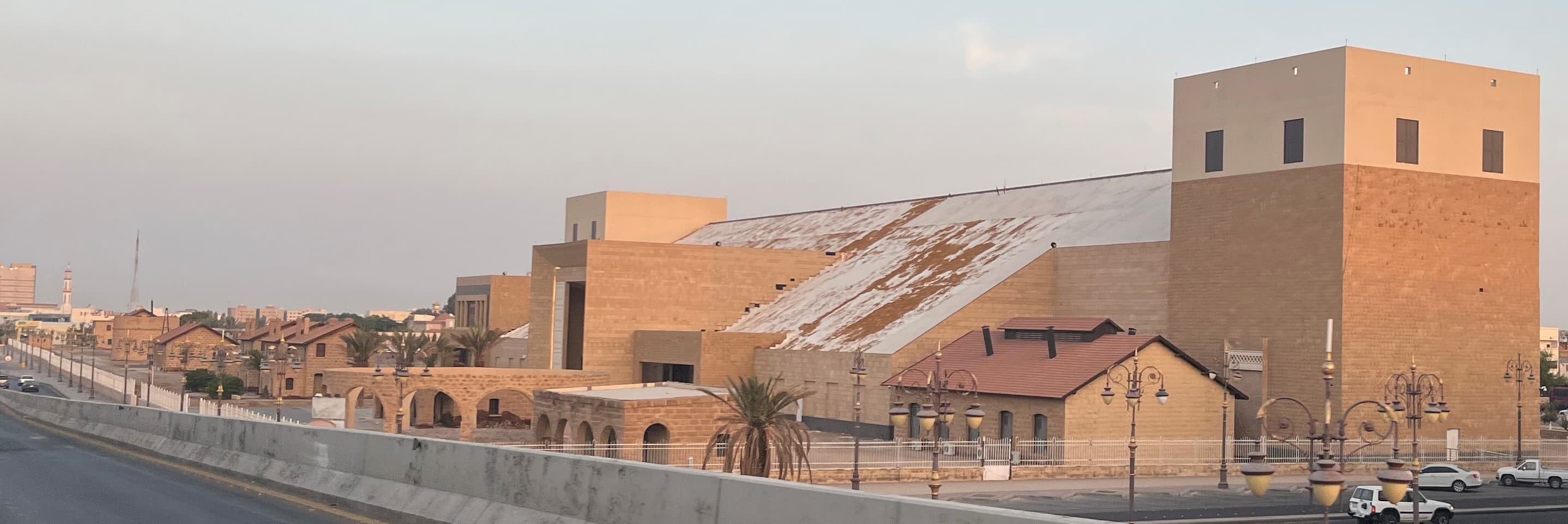
Tabuk Regional Museum is a compelling cultural institution in northwestern Saudi Arabia that preserves the rich heritage and history of the Tabuk region. Housed in a striking modern building, the museum showcases archaeological artifacts, traditional crafts, and exhibits that trace the area's significance from ancient trade routes to contemporary times.
Souq Twaheen, Tabuk
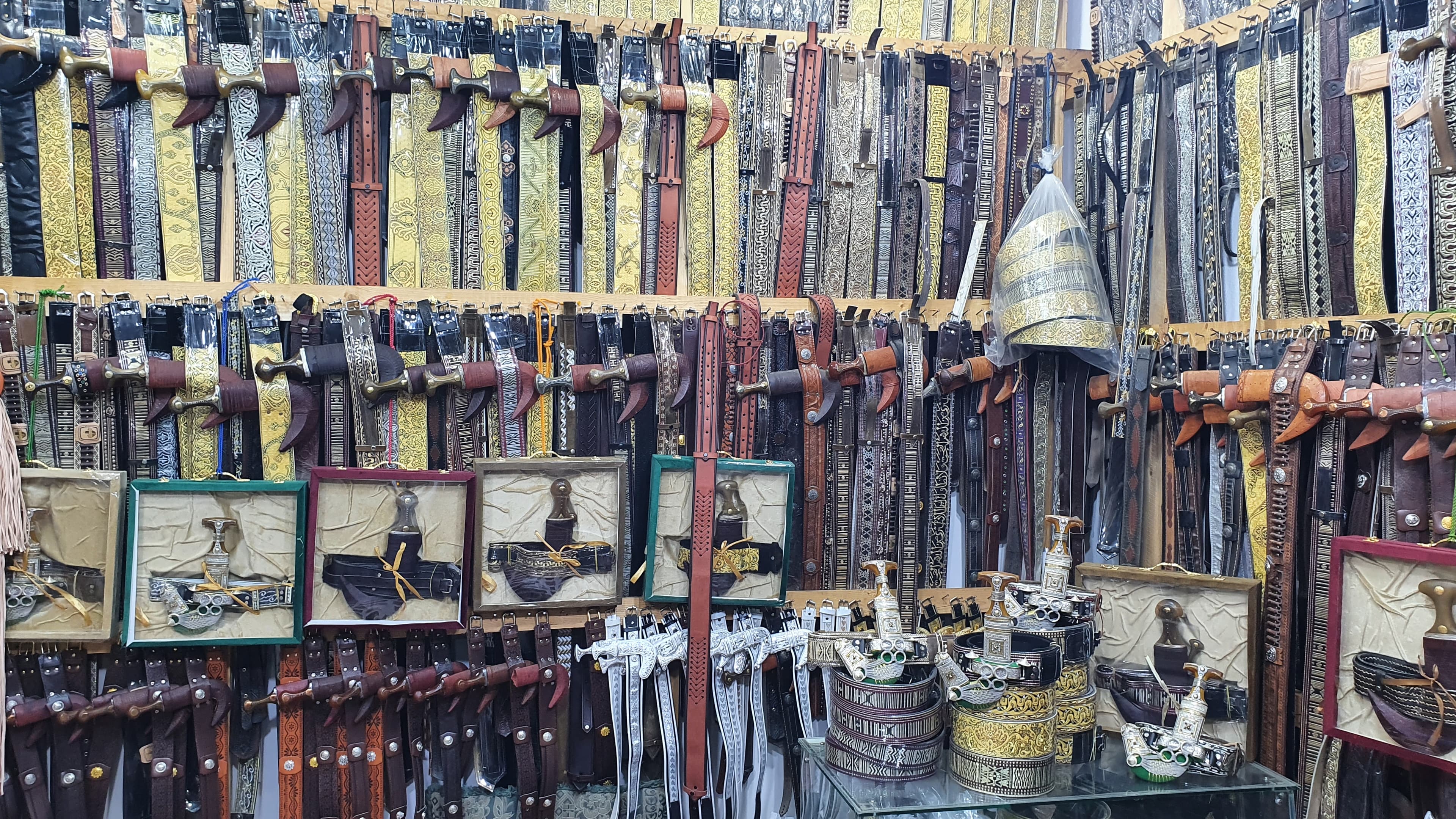
Souq Twaheen is a vibrant traditional marketplace in Tabuk that captures the essence of Arabian commerce and culture. This bustling souk showcases local crafts, spices, textiles, and authentic Saudi goods in a lively atmosphere brimming with history and hospitality.
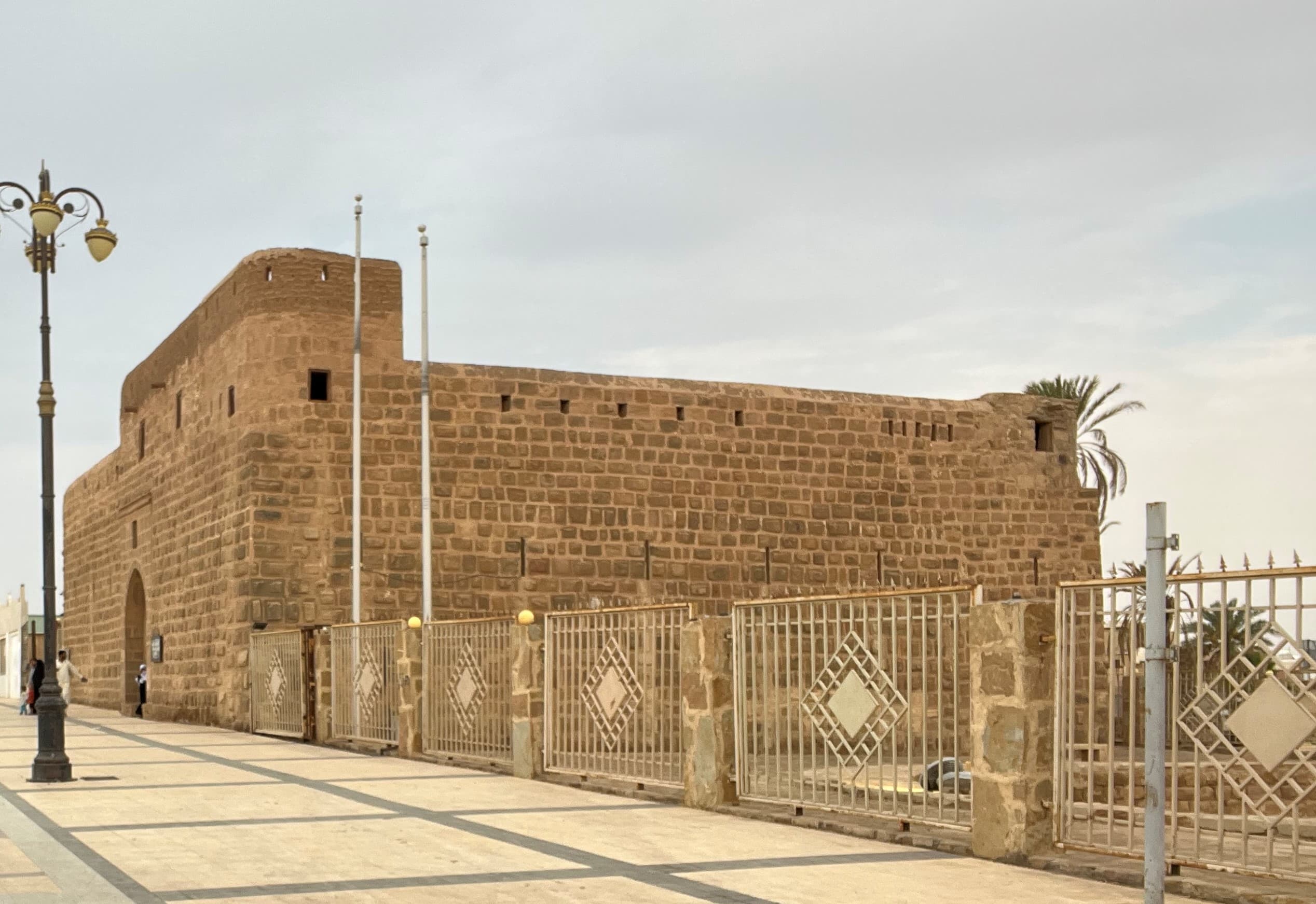
Tabuk Castle, Tabuk
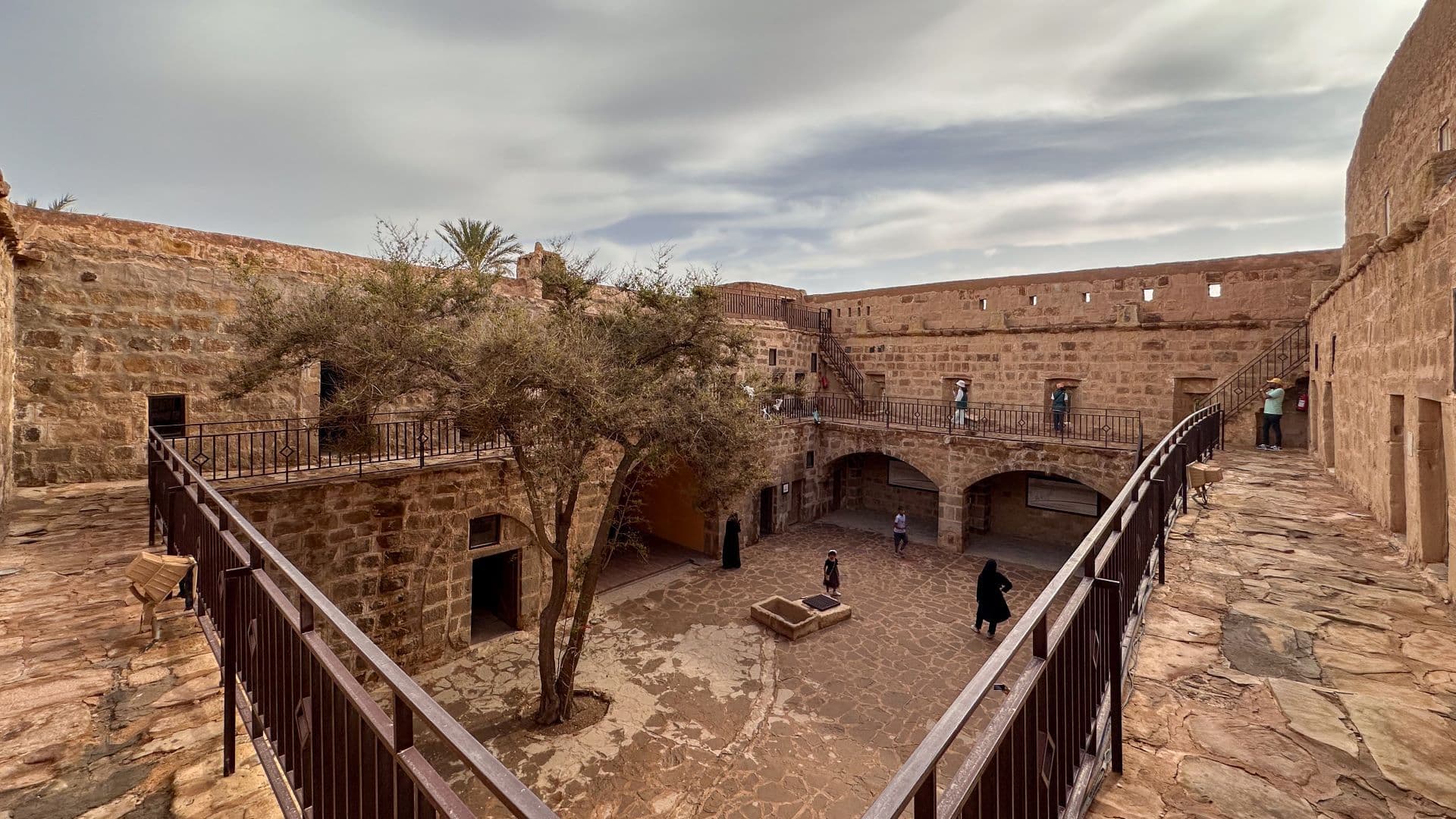
Tabuk Castle is a historic fortress located in the heart of Tabuk city, serving as a remarkable testament to the region's rich military and cultural heritage. Built in the 16th century during the Ottoman era, this well-preserved structure showcases traditional Islamic architecture and offers visitors a glimpse into centuries of Arabian history.
Explore More
Read More
Latest Blogs

Best Things to Do in Riyadh at Night
As the desert sun dips below the horizon, Riyadh undergoes an extraordinary transformation. The golden daytime heat gives way to cool, pleasant evening breezes, and Saudi Arabia's capital city bursts into a glittering metropolis of lights, music, culinary aromas, and bustling energy. Nighttime in Riyadh is not merely an afterthought—it is when the city truly comes alive. From the illuminated mud-brick palaces of ancient Diriyah and lively heritage souks filled with the scent of frankincense and cardamom to dazzling entertainment zones, rooftop dining, and peaceful desert stargazing, Riyadh offers an incredible variety of after-dark experiences. Whether you are seeking cultural immersion, world-class entertainment, or quiet late-night reflection beneath desert skies, this guide covers the absolute best things to do in Riyadh at night.

What Is Traditional Najdi Architecture? A Complete Guide to Saudi Arabia’s Earthen Wonders
In the heart of the Arabian Peninsula, surrounded by sweeping deserts, rocky escarpments, and golden plains, lies Najd—the central region of Saudi Arabia. For centuries, the people of Najd adapted to one of the most challenging environments on Earth, developing a unique style of building known as Najdi Architecture. Built entirely from local natural materials—mud, straw, tamarisk wood, and limestone—this indigenous building technique created entire cities that naturally resisted extreme desert heat, fostered close-knit community bonds, and displayed subtle, geometric beauty.

Best Railway Journeys in Saudi Arabia
Traveling across Saudi Arabia by train is one of the most serene, comfortable, and visually captivating ways to experience the Kingdom's vast and varied landscapes. The hum of electric engines gliding over smooth steel tracks, the shifting colors of golden dunes outside panoramic windows, and the quiet luxury of modern passenger cars create a travel experience that feels both futuristic and deeply connected to ancient caravan routes.
.jpg%3Falt%3Dmedia%26token%3D6d572ee6-539e-44fa-ac36-dd482d972b86&w=3840&q=75)
How to Travel Saudi Arabia Without a Car
For decades, navigating the vast deserts and sprawling cities of Saudi Arabia seemed almost impossible without getting behind the wheel of a car. However, a major infrastructure transformation has opened up the Kingdom like never before. Today, travelers can journey between ancient oasis towns, Red Sea coastal cities, high-tech metropolises, and misty mountain retreats smoothly, safely, and comfortably without ever driving a single kilometer.

Complete Guide to Train Travel in Saudi Arabia
Travelling across Saudi Arabia by train is one of the most rewarding, comfortable, and scenic ways to experience the Kingdom’s vast landscapes. From the sleek, ultra-modern high-speed bullet trains gliding across desert dunes at 300 km/h to long-distance passenger sleeper trains cutting through central sand seas and northern valleys, the Saudi railway network has transformed into a world-class transit system.
Read All