Tabuk Regional Museum
Important things to know :
About Tabuk Regional Museum
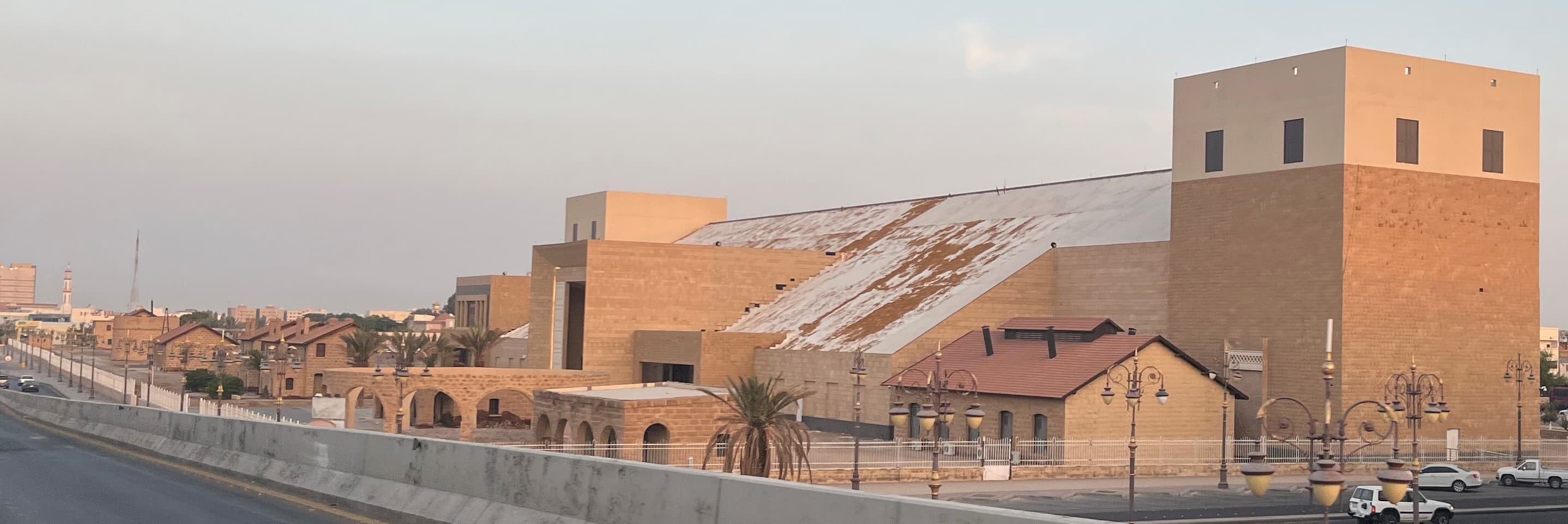
Tabuk Regional Museum stands as a gateway to understanding one of Saudi Arabia's most historically significant regions. Nestled in the heart of Tabuk city, this museum captures the essence of a land that has witnessed countless civilizations, from the ancient Nabataean kingdoms to the Islamic golden age. The museum's modern architecture blends seamlessly with its mission to preserve and present the tangible heritage of northwestern Arabia. Opened to showcase the region's archaeological importance, Tabuk Regional Museum houses an impressive collection of artifacts that illuminate the daily lives, beliefs, and achievements of past inhabitants. The museum's exhibits are thoughtfully curated to provide visitors with a comprehensive understanding of how geography, trade routes, and cultural exchange shaped this remarkable corner of the Arabian Peninsula.
Best Time to Visit Tabuk Regional Museum
- October to March offers the most pleasant weather, with mild temperatures ideal for leisurely museum exploration
- Avoid the intense summer heat (June to August) when temperatures can exceed 40°C (104°F)
- Early mornings (9:00 AM to 11:00 AM) provide the quietest experience and best lighting for viewing artifacts
- Late afternoons (4:00 PM to 6:00 PM) are also recommended if you prefer fewer crowds
- Weekdays are generally less busy than weekends, particularly Thursday and Friday mornings
- The museum's air-conditioned galleries offer respite during warmer months
Tickets Information for Tabuk Regional Museum
- General admission: 15 USD per adult
- Student tickets: 8 USD with valid student identification
- Children under 12 years: Free admission
- Group discounts available for parties of 10 or more (contact museum for details)
- Senior citizens (60+): 10 USD per person
- No additional fees for photography in designated areas; check with staff for restrictions
Opening Hours for Tabuk Regional Museum
- Saturday to Wednesday: 9:00 AM to 5:00 PM
- Thursday: 9:00 AM to 1:00 PM and 4:00 PM to 9:00 PM
- Friday: 4:00 PM to 9:00 PM
- Last admission is typically 30 minutes before closing time
- Closed on official Saudi national holidays
- Advance booking is not required for individual visitors but recommended for large groups
Things to See / Key Attractions Near Tabuk Regional Museum
- Ancient pottery and ceramic vessels showcasing the craftsmanship of Nabataean and Islamic periods
- Intricate jewelry, coins, and precious artifacts that reveal the region's role in ancient trade networks
- Traditional weapons, armor, and military equipment displaying the martial heritage of Tabuk
- Manuscripts, calligraphy, and religious texts illustrating the intellectual and spiritual traditions of the region
- Ethnographic displays featuring traditional clothing, household items, and daily-life objects from Bedouin and settled communities
- Stone inscriptions and architectural fragments from historical sites, including remnants from the Byzantine and Islamic periods
- Interactive exhibits explaining the geography and strategic importance of Tabuk along ancient caravan routes
- Detailed dioramas depicting historical scenes and settlement patterns across different eras
Visitor Tips for Tabuk Regional Museum
- Wear comfortable, modest clothing appropriate for Saudi culture; the museum is air-conditioned, so a light jacket may be helpful
- Comfortable walking shoes are essential as you'll spend 2 to 3 hours exploring the galleries
- Bring a water bottle to stay hydrated, though water fountains are available throughout the museum
- Audio guides or guided tours are available; inquire at the entrance for current availability and pricing
- The museum is fully accessible for wheelchair users with elevators and accessible restrooms
- Photography is permitted in most areas, but respect any designated no-photo zones
- Allow 2 to 3 hours for a thorough visit; 1 to 1.5 hours for a quick overview
- Children's activities and educational programs are sometimes available; check ahead if visiting with kids
- The museum shop offers books, postcards, and replicas of artifacts as memorable souvenirs
How to Reach Tabuk Regional Museum
- The museum is located in central Tabuk, approximately 15 minutes' drive from Prince Abdul Mohsin Bin Abdulaziz Airport
- From the airport, take a taxi or ride-sharing service (approximately 30 USD to 50 USD for the journey)
- Public transportation options are limited; local buses serve the city, but a taxi or rental car is most convenient
- The museum is within walking distance of Tabuk's downtown area, making it accessible from nearby hotels and restaurants
- Parking is available adjacent to the museum building; street parking is also available in the surrounding area
- For visitors traveling from Riyadh, the drive is approximately 1,400 kilometers (870 miles), taking about 14 to 16 hours
- Tabuk is well-connected by domestic flights from major Saudi cities, with flight times of 2 to 3 hours from Riyadh
Nearby Attractions & Where to Eat Tabuk Regional Museum
- Tabuk Castle (Al-Qal'ah): Located just 2 kilometers from the museum, this historic fortress dates back to the Ottoman period and offers panoramic views of the city. The castle's restored structures provide insight into the region's military and administrative history.
- Dumat Al-Jandal: Approximately 250 kilometers south of Tabuk, this ancient oasis settlement features archaeological ruins, a historic fort, and traditional mud-brick architecture, making it an excellent day-trip destination for history enthusiasts.
- Tabuk Corniche: A scenic waterfront promenade perfect for an evening stroll, featuring gardens, walking paths, and views of the surrounding landscape. It's an ideal spot to unwind after museum exploration.
- Al-Reef Restaurant: Located near the museum, this establishment serves traditional Saudi cuisine including grilled meats, rice dishes, and fresh bread. The warm hospitality and authentic flavors make it a favorite among locals and visitors.
- Café Al-Nakheel: A charming café offering Arabic coffee, tea, and light refreshments. It's perfect for a quick break or an afternoon relaxation spot while enjoying traditional Saudi beverages and pastries.
Important Tips
People also ask :
Address
Tabuk Regional Museum, Central Tabuk, Tabuk Province, Saudi Arabia
Explore
Tabuk's Beauty
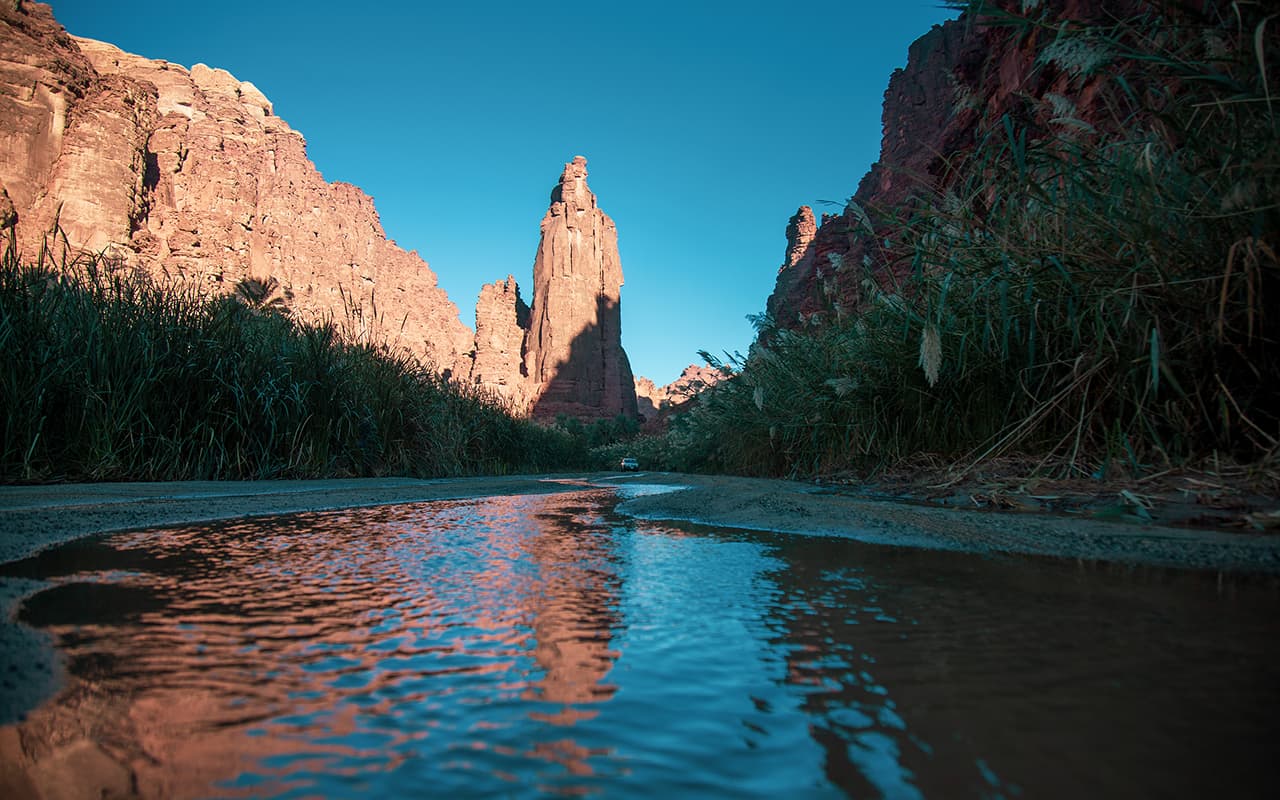
Wadi Al Disah, Tabuk
Wadi Al Disah is a stunning natural canyon in Tabuk Province featuring dramatic sandstone cliffs, lush date palm groves, and a refreshing freshwater stream that creates an oasis-like paradise in the heart of the Arabian desert. This hidden gem offers visitors a unique blend of geological wonder and peaceful natural beauty, perfect for hiking, swimming, and experiencing authentic desert landscapes.
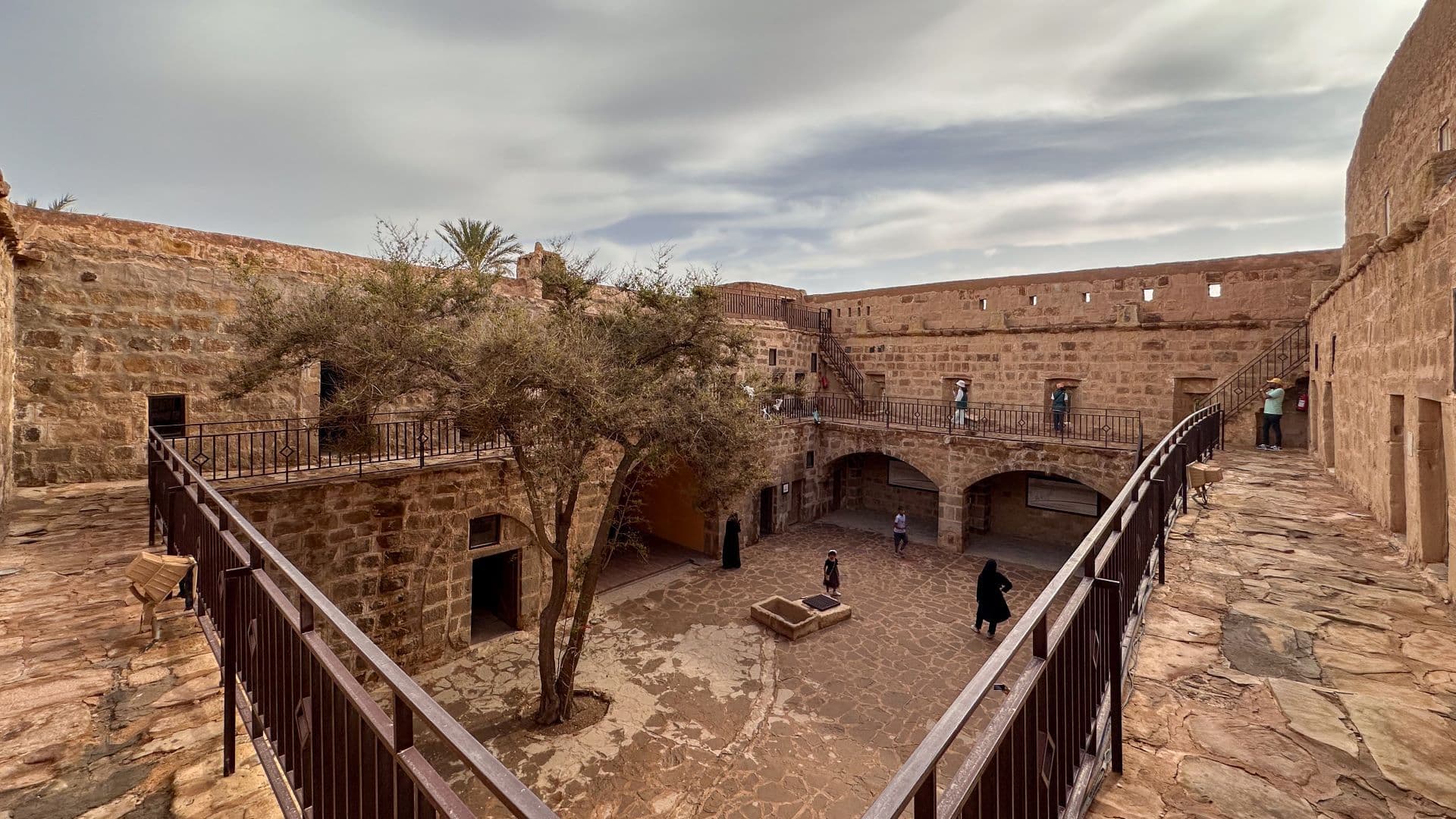
Ain Sukkar (Sugar Spring), Tabuk
Ain Sukkar, or Sugar Spring, is a natural thermal spring nestled in the Tabuk Province of Saudi Arabia, renowned for its warm, mineral-rich waters and stunning desert landscape. This hidden oasis offers visitors a unique opportunity to experience authentic natural hot springs while surrounded by dramatic rocky terrain and pristine wilderness.
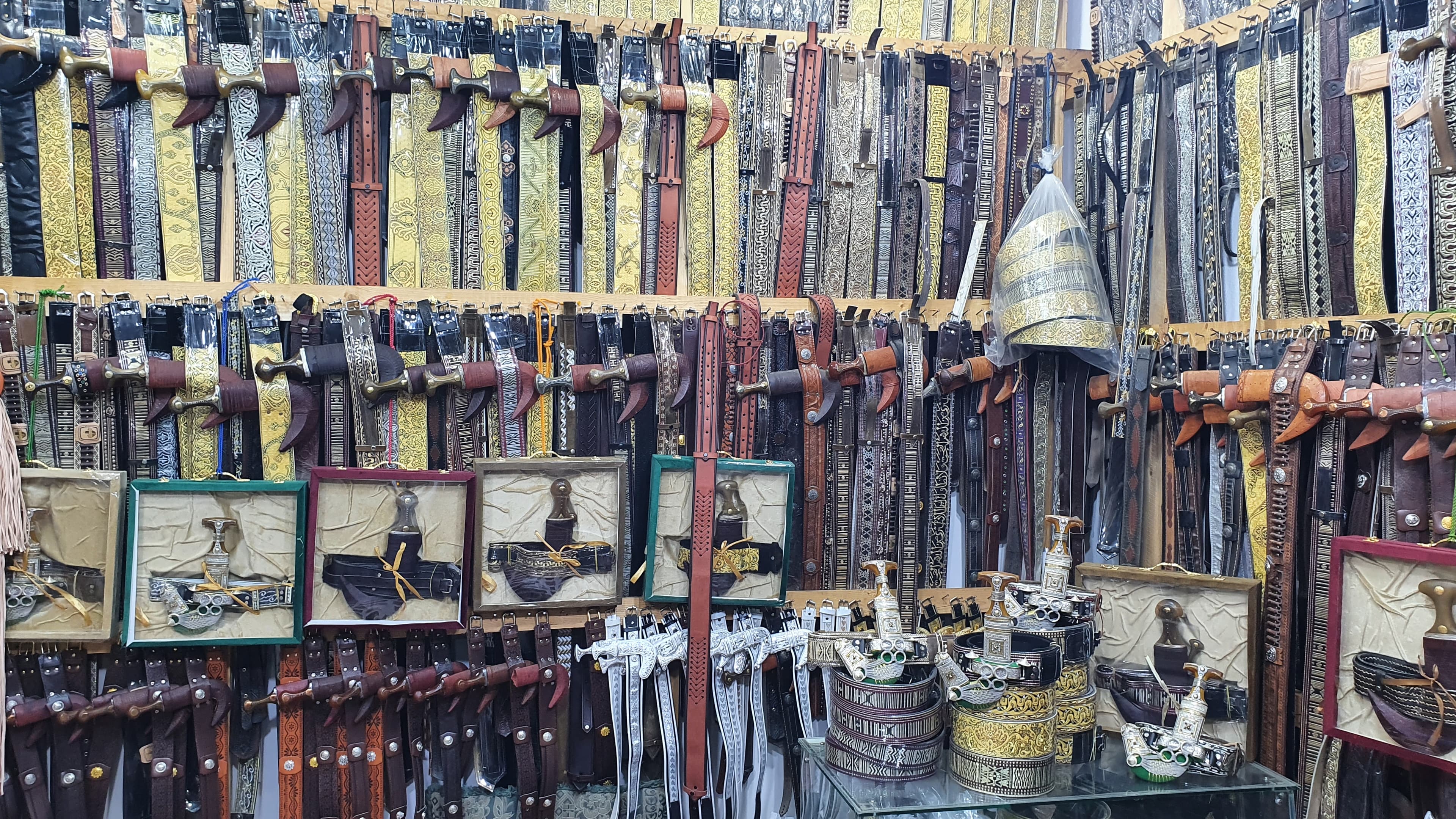
Souq Twaheen, Tabuk
Souq Twaheen is a vibrant traditional marketplace in Tabuk that captures the essence of Arabian commerce and culture. This bustling souk showcases local crafts, spices, textiles, and authentic Saudi goods in a lively atmosphere brimming with history and hospitality.
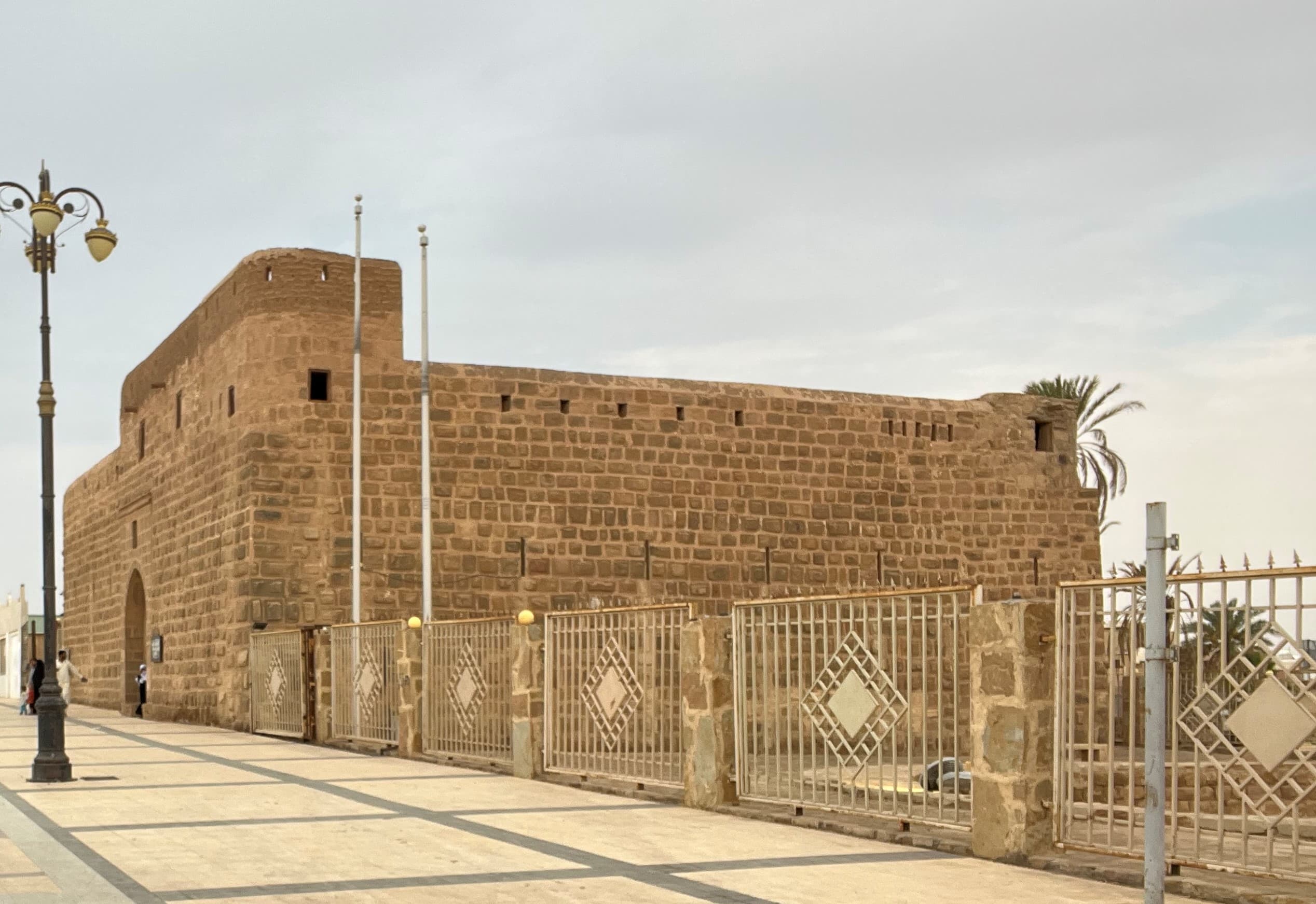
Tabuk Castle, Tabuk
Tabuk Castle is a historic fortress located in the heart of Tabuk city, serving as a remarkable testament to the region's rich military and cultural heritage. Built in the 16th century during the Ottoman era, this well-preserved structure showcases traditional Islamic architecture and offers visitors a glimpse into centuries of Arabian history.
Explore More
Read More
Latest Blogs

From Red Sea Breezes to Ancient Sands: The Ultimate Jeddah to Tabuk Travel Guide
There is an undeniable allure to embarking on a journey across Saudi Arabia. While the Kingdom’s modern metropolis centers catch the eyes of global travelers, the true magic of the Arabian Peninsula reveals itself when you venture northward along the ancient trade routes. The journey from Jeddah—the vibrant coastal gateway to Makkah—to Tabuk—the gateway to the Kingdom's northwestern wilderness—is a passage through geography, history, and culture.

Complete Guide to Train Travel in Saudi Arabia
Travelling across Saudi Arabia by train is one of the most rewarding, comfortable, and scenic ways to experience the Kingdom’s vast landscapes. From the sleek, ultra-modern high-speed bullet trains gliding across desert dunes at 300 km/h to long-distance passenger sleeper trains cutting through central sand seas and northern valleys, the Saudi railway network has transformed into a world-class transit system.

Why Jazan Is Saudi Arabia's Most Underrated Region
When travelers plan a journey to Saudi Arabia, their itineraries often focus on the dramatic sandstone tombs of AlUla, the glittering skyscrapers and heritage quarters of Riyadh, or the historic coastal charm of Jeddah. Yet, tucked away in the far southwestern corner of the Kingdom, bordering the Red Sea and Yemen, lies Jazan—a province that remains one of Arabia's best-kept secrets.

The Ultimate Guide to the Best Beaches in Saudi Arabia
When travellers dream of pristine coastlines, crystalline turquoise waters, and vibrant coral reefs, names like the Maldives, Bora Bora, or Egypt’s Red Sea Riviera often come to mind. Yet, one of the world’s most spectacular coastal frontiers has remained largely hidden from the global lens until now. Stretching across thousands of kilometres of untouched coastline along both the Red Sea to the west and the Arabian Gulf to the east, Saudi Arabia is home to a breathtakingly diverse array of maritime sanctuaries.

50 Things Every Traveler Should Do in Saudi Arabia: The Ultimate Wanderlust Guide
Saudi Arabia is a land of striking contrasts and deep-rooted traditions. For centuries, this enigmatic Kingdom remained largely closed to global leisure travelers, known mostly to pilgrims, traders, and diplomats. Today, the doors are open, revealing a country where ancient caravan routes cross vast golden deserts, centuries-old mud-brick palaces stand alongside modern glass towers, and untouched coral reefs line the Red Sea.
Read All