.jpeg%3Falt%3Dmedia%26token%3D7bf929c4-972b-4a5c-91f7-5ee8ae847bc2&w=3840&q=75)
Important things to know :
entry fee is 400 USD
About Paddle Court (Juman Park)
Paddle (or padel) tennis itself originated in Mexico in the late 1960s and has since become one of the fastest-growing sports in Europe and the Gulf region. The addition of dedicated paddle courts in Juman Park marked a shift toward modern recreational infrastructure that blends sport, leisure, and social interaction.
Things to See / Key Attractions Near Paddle Court Juman Park
- Glass-enclosed paddle courts where you can watch fast-paced matches from outside
- Landscaped walking paths perfect for evening strolls
- Seating areas where families gather, chat, and enjoy the atmosphere
- Open green spaces ideal for children to play
- Sunset views casting warm reflections on the glass court walls — a beautiful sight for photographers
- The lively soundscape: bouncing balls, quick footwork, and friendly cheers
Best Time to Visit Paddle Court Juman Park
- October to April offers the most pleasant weather, with cooler temperatures ideal for outdoor activity
- Early mornings (just after sunrise) are peaceful and refreshing
- Late afternoons and sunset hours provide golden light and a lively atmosphere
- Weekdays are quieter than weekends
- Winter months may host local sports events or community tournaments
Tickets Information for Paddle Court Juman Park
- Entry to the public park area is usually free
- Paddle court booking fees may apply per hour (rates vary depending on time slot and demand)
- Discounts may be available for group bookings or off-peak hours
- Players typically need to reserve courts in advance through local booking apps or on-site management
- Equipment rental (rackets and balls) may be available at an additional cost
Opening Hours for Paddle Court Juman Park
- Park access: Generally open daily from early morning until late evening
- Paddle courts: Typically operate from morning until around 10:00 PM (may vary seasonally)
- Last booking slots are usually 1–2 hours before closing
How to Reach Paddle Court Juman Park
- Nearest airport: King Abdulaziz International Airport (for visitors traveling within Saudi Arabia, if applicable to the location)
- Local taxis and ride-hailing services provide easy access
- Private car access is convenient, with nearby parking typically available
- Public buses may serve surrounding districts depending on city transport routes
- Travel time varies based on your starting point; from central city areas, it may take approximately 15–30 minutes by car
Nearby Attractions & Where to Eat Paddle Court Juman Park
Nearby attractions:
- Waterfront promenades or nearby beach areas for a relaxed evening walk
- Residential district parks and leisure zones
- Shopping and dining districts within short driving distance
Where to eat:
- Casual cafés nearby serving coffee, fresh juices, and light snacks — perfect after a match
- Local restaurants offering Middle Eastern dishes such as grilled meats, shawarma, and mezze
Important Tips
People also ask :
It is highly recommended, especially during evenings and weekends when demand is high.
Yes. The courts are designed for both beginners and experienced players, and paddle is generally easy to learn.
Address
Paddle Court, Juman Park, Al-Belsan District, King Abdullah Economic City (KAEC), Saudi Arabia.
Explore
Jeddah's Beauty
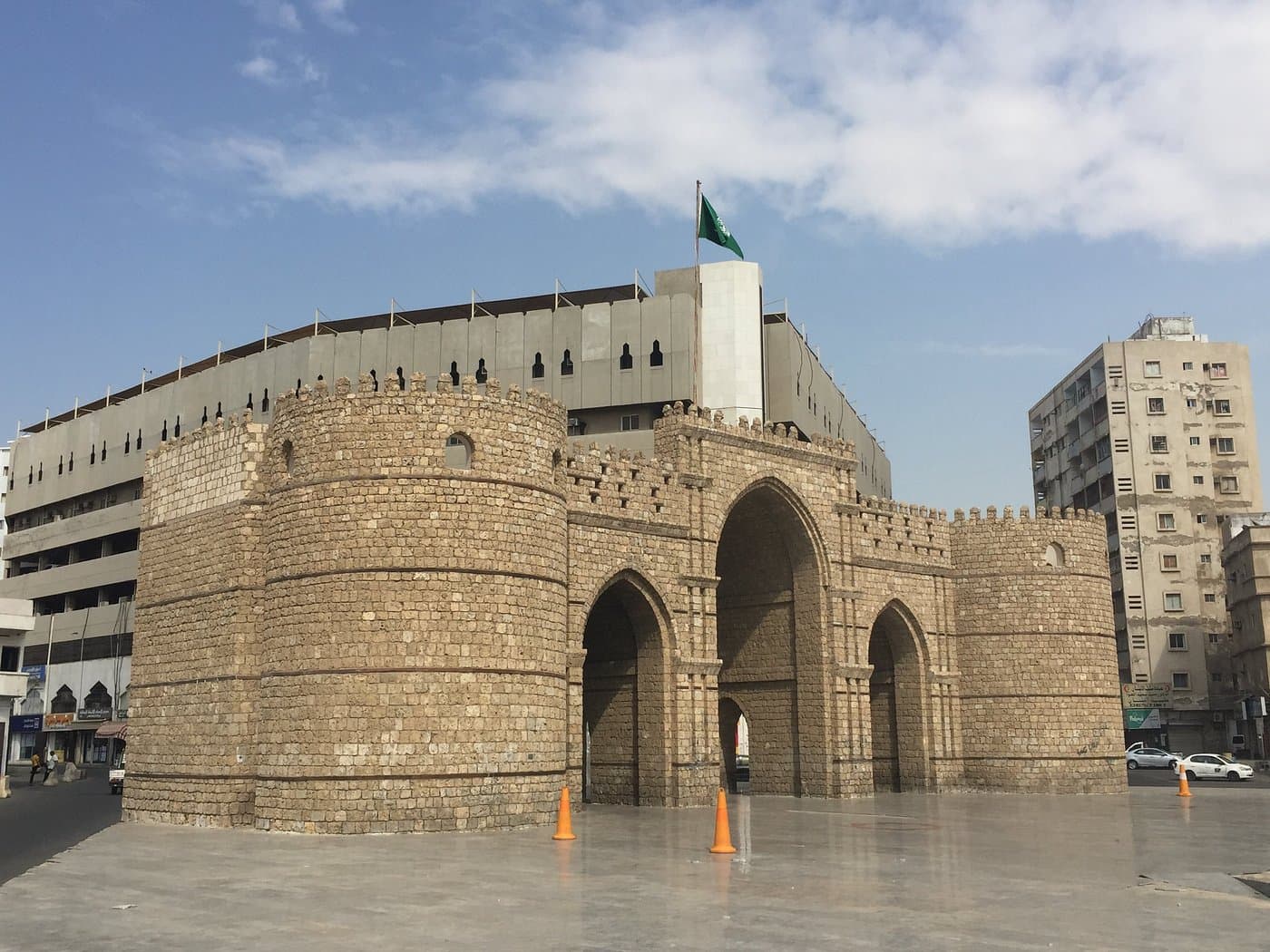
Makkah Gate, Jeddah
Makkah Gate is a historic landmark and cultural monument in Jeddah that serves as a symbolic entrance to the city and a gateway to the holy city of Mecca. This iconic structure blends traditional Islamic architecture with modern design, offering visitors a unique glimpse into Jeddah's rich heritage and spiritual significance.

Darat Safeya Binzagr, Jeddah
Darat Safeya Binzagr is a beautifully preserved traditional Jeddah house that showcases authentic Saudi Arabian heritage and architectural craftsmanship from the Hijazi region. This historic mansion offers visitors an intimate glimpse into the lifestyle and culture of merchant families during the early 20th century.
.jpeg%3Falt%3Dmedia%26token%3D3f498790-5d7d-4bd2-967f-243186a788b8&w=3840&q=75)
Golf Academy (Royal Green), Jeddah
The soft thud of a golf ball meeting the club, the stretch of emerald greens against Jeddah’s warm sky, and the quiet focus that settles in before every swing — Golf Academy, Jeddah offers more than just a sports experience.

Beach Walk (Coastal Promenade), Jeddah
The rhythm of waves, the scent of salt in the air, and a golden horizon that seems to stretch endlessly — Beach Walk Coastal Promenade is more than just a seaside pathway. It is where mornings begin with quiet reflection and evenings end in glowing sunsets.
.jpeg%3Falt%3Dmedia%26token%3D1aea8256-c097-4ab3-bf15-695d4072cca0&w=3840&q=75)
Horse Riding Adventure (Lagoona Area), Jeddah
The rhythm of hooves against soft coastal sand, the scent of sea breeze blending with the earthy warmth of the stables, and the endless horizon stretching ahead — Horse Riding Adventure Lagoona Area is more than an activity; it’s an experience that slows time. Here, the desert meets the sea, and every ride feels like a small escape into freedom.
Explore More
Read More
Latest Blogs

Best Things to Do in Riyadh at Night
As the desert sun dips below the horizon, Riyadh undergoes an extraordinary transformation. The golden daytime heat gives way to cool, pleasant evening breezes, and Saudi Arabia's capital city bursts into a glittering metropolis of lights, music, culinary aromas, and bustling energy. Nighttime in Riyadh is not merely an afterthought—it is when the city truly comes alive. From the illuminated mud-brick palaces of ancient Diriyah and lively heritage souks filled with the scent of frankincense and cardamom to dazzling entertainment zones, rooftop dining, and peaceful desert stargazing, Riyadh offers an incredible variety of after-dark experiences. Whether you are seeking cultural immersion, world-class entertainment, or quiet late-night reflection beneath desert skies, this guide covers the absolute best things to do in Riyadh at night.

What Is Traditional Najdi Architecture? A Complete Guide to Saudi Arabia’s Earthen Wonders
In the heart of the Arabian Peninsula, surrounded by sweeping deserts, rocky escarpments, and golden plains, lies Najd—the central region of Saudi Arabia. For centuries, the people of Najd adapted to one of the most challenging environments on Earth, developing a unique style of building known as Najdi Architecture. Built entirely from local natural materials—mud, straw, tamarisk wood, and limestone—this indigenous building technique created entire cities that naturally resisted extreme desert heat, fostered close-knit community bonds, and displayed subtle, geometric beauty.

Best Railway Journeys in Saudi Arabia
Traveling across Saudi Arabia by train is one of the most serene, comfortable, and visually captivating ways to experience the Kingdom's vast and varied landscapes. The hum of electric engines gliding over smooth steel tracks, the shifting colors of golden dunes outside panoramic windows, and the quiet luxury of modern passenger cars create a travel experience that feels both futuristic and deeply connected to ancient caravan routes.
.jpg%3Falt%3Dmedia%26token%3D6d572ee6-539e-44fa-ac36-dd482d972b86&w=3840&q=75)
How to Travel Saudi Arabia Without a Car
For decades, navigating the vast deserts and sprawling cities of Saudi Arabia seemed almost impossible without getting behind the wheel of a car. However, a major infrastructure transformation has opened up the Kingdom like never before. Today, travelers can journey between ancient oasis towns, Red Sea coastal cities, high-tech metropolises, and misty mountain retreats smoothly, safely, and comfortably without ever driving a single kilometer.

Complete Guide to Train Travel in Saudi Arabia
Travelling across Saudi Arabia by train is one of the most rewarding, comfortable, and scenic ways to experience the Kingdom’s vast landscapes. From the sleek, ultra-modern high-speed bullet trains gliding across desert dunes at 300 km/h to long-distance passenger sleeper trains cutting through central sand seas and northern valleys, the Saudi railway network has transformed into a world-class transit system.
Read All