Where to See Green Landscapes in Saudi Arabia?
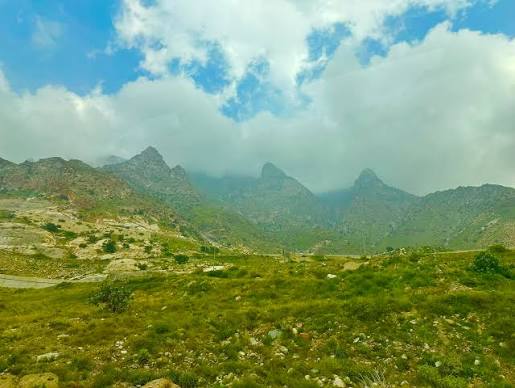
The green side of Saudi Arabia is one of the most rewarding and transformative traveller experiences in the Middle East. The air is cool, the scent of wild herbs and mountain roses fills the breeze, and the hospitality of the local communities is as warm as the landscapes are refreshing.
This comprehensive guide will take you through the premier green destinations in Saudi Arabia, providing real practical data, sensory descriptions, and logistics to help you plan an unforgettable journey into the Kingdom’s emerald heart.
1. The Misty Highlands of Asir: Abha and Al-Soudah
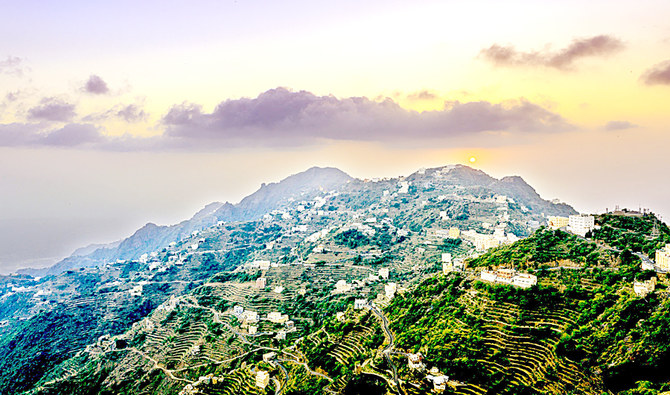
Perched at over 2,200 meters above sea level, the Asir Province is the crown jewel of Saudi Arabia’s green highlands. Here, the Sarawat Mountains intercept moisture from the Red Sea, creating a unique microclimate where temperatures rarely exceed 30°C in the summer and mist regularly rolls through the valleys, blanketing dense forests of African juniper. This region feels worlds away from the arid plains of the central plateau.
Standing atop Al-Soudah, the highest peak in the Kingdom, the sensory experience is profound. The wind carries the sharp, clean scent of pine and damp earth. You can hear the distant calls of wild hamadryas baboons echoing across the limestone crags and the gentle whistle of eagles catching the thermals. Below you, agricultural terraces carved into the steep slopes by generations of farmers display a patchwork of vibrant greens, contrasting beautifully with the deep slate gray of traditional stone architecture.
Top Things to Do in Asir
-
Explore Asir National Park: Wander through well-marked hiking trails under a dense canopy of juniper trees, stop at panoramic viewpoints, or arrange a guided horseback riding excursion through the wilderness.
-
Ride the Al-Soudah Cable Car: Experience a thrilling descent from the mountain peaks down into the depths of the Tihama valley, offering a bird's-eye view of vertical green cliffs.
-
Visit Rijal Almaa Heritage Village: Walk through this UNESCO-tentative world heritage site featuring multi-story stone castles adorned with white quartz accents, set against a backdrop of dense, verdant hills.
-
Discover the Green Mountain (Jabal Al Akhdar): Located in central Abha, this illuminated mountain peak features terraced gardens and cafes overlooking the city lights.
Traveller Information
Abha serves as the primary base for exploring the Asir region. It features its own regional airport with multiple daily flights connecting from Riyadh and Jeddah.
-
Al-Soudah Park: 28 km (approx. 35 mins drive) via Rental Car or Private Taxi. Rates: Car Rental: $35–$50/day; Taxi: $20–$30 one-way
-
Rijal Almaa Village: 45 km (approx. 1 hour via mountain pass) via Rental Car or Guided Tour Bus. Rates: Guided Tour: $60–$90 per person
-
Asir National Park: 10 km (approx. 15 mins drive) via Ride-sharing app (Uber/Careem) or Rental. Rates: Ride-share: $8–$12 one-way
2. The Emerald Canopy of Al Bahah: Raghadan Forest and Beyond

Further north along the Sarawat range lies Al Bahah, an alpine province characterized by dramatic cliffs, historical stone villages, and some of the densest natural forests in the Arabian Peninsula. Because it sits slightly off the main international tourist track, Al Bahah offers an incredibly authentic, serene, and untouched look at Saudi Arabia’s natural wonders.
The crown jewel of the province is the Raghadan Forest. Walking along its winding stone footpaths, you are surrounded by ancient wild olive and juniper trees. In the late afternoon, heavy fog blanketing the hills creates an ethereal atmosphere. The air temperature cools dramatically, forcing you to reach for a light jacket. Nearby, the sound of water dropping down the Khaira Forest waterfalls echoes through the canyons, providing a soothing acoustic backdrop to an unforgettable hike.
Top Things to Do in Al Bahah
-
Hike through Raghadan Forest Park: Take advantage of the dedicated walking trails, children’s play areas, and scenic viewpoints that overlook the dramatic King Fahd Mountain Pass.
-
Chase Waterfalls in Khaira Forest: Located in the Bani Hasan governorate, this pristine valley features natural water pools, green agricultural terraces, and flowing streams after rainfall.
-
Explore the Dhee Ayn Marble Village: Built on a mountain of solid white marble, this 400-year-old stone village is surrounded by a lush tropical oasis growing bananas, lemons, and aromatic basil plants.
-
Discover Jabal Shada Protected Area: Explore unique geological rock formations covered in rare desert flora, historical cave dwellings, and local coffee plantations.
Traveller Information
Al Bahah can be reached via Al-Baha Domestic Airport (daily flights from Riyadh/Jeddah) or by driving 4.5 hours south from Jeddah along a scenic mountain highway.
-
Raghadan Forest Park: 5 km (approx. 10 mins drive) via Rental Car or Local Taxi. Rates: Taxi: $5–$8; Park Entry: Free
-
Dhee Ayn Marble Village: 24 km (approx. 30 mins drive down the pass) via Rental Car. Rates: Car Rental: $40/day; Village Entry: ~$5 per person
-
Khaira Forest & Waterfalls: 20 km (approx. 25 mins drive) via Rental Car or Private Driver. Rates: Private Driver for half-day: $50–$70
3. The Rose-Scented Peaks of Taif: Al-Hada and Al-Shafa
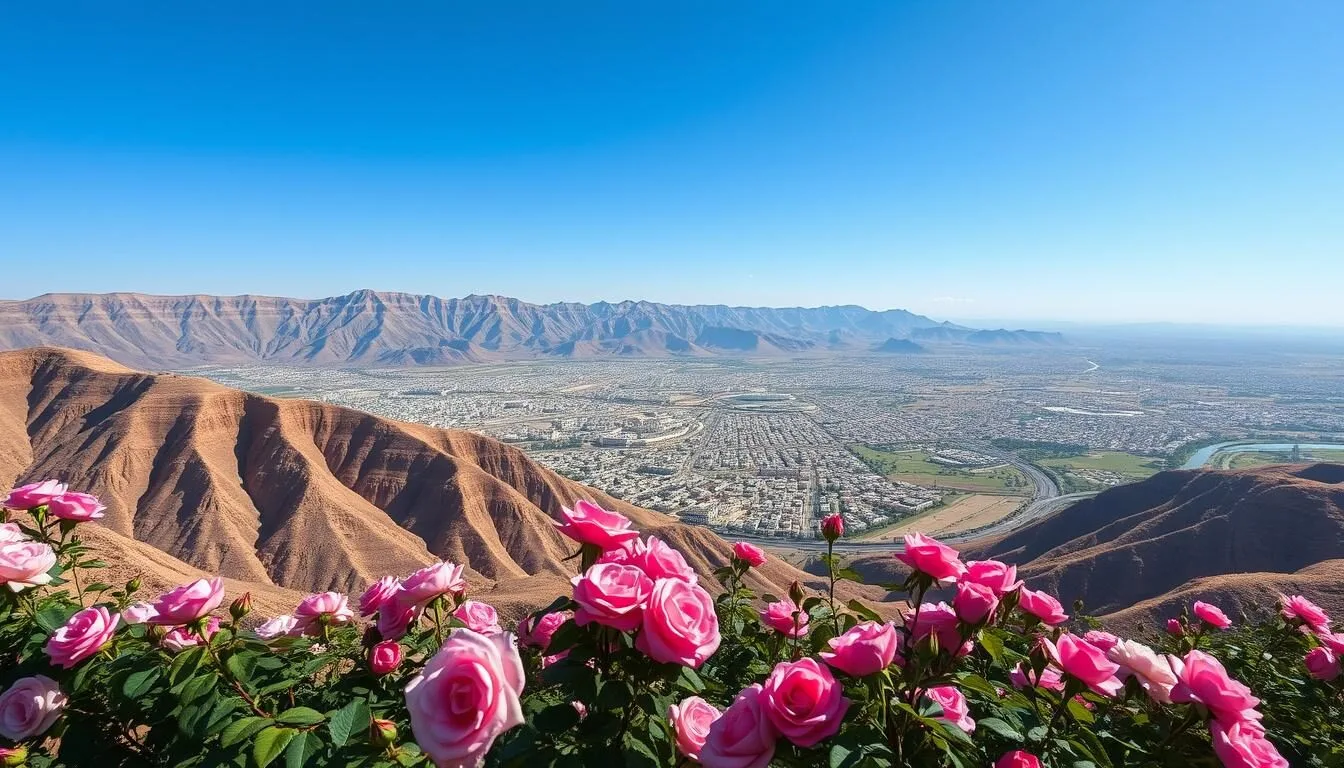
Historically designated as the summer capital of Saudi Arabia, Taif sits comfortably on a high plateau behind the coastal mountains of Mecca. It is legendary across the Arab world for two things: its exceptionally cool, breezy summer weather and its endless fields of 30-petal Ward Taifi (Taif Roses) that bloom every spring, turning the mountain valleys into a fragrant paradise.
Traveling up the winding, multi-tiered highways of Al-Hada, you climb high above the hot desert plains into a landscape characterized by green shrubs, wild pomegranate bushes, and rocky escarpments. The air changes instantly, carrying a crisp chill and the subtle sweet aroma of fruit orchards. At Al-Shafa, an even higher village, the hillsides are covered with organized step-farms producing legendary local honey, grapes, figs, and apricots. Sitting on the edge of Mount Dhaka as the sun drops beneath the cloud cover is a deeply peaceful, grounding experience.
Top Things to Do in Taif
-
Ride the Taif Cable Car (Al-Hada): Embark on the longest cable car route in Saudi Arabia, connecting the mountain peak of Al-Hada down to the historical water park base at Kar Village.
-
Tour a Rose Distillery (Spring Season): Visit a traditional local farm in March or April to see millions of roses harvested and processed into the world's most expensive rose oils and perfumes.
-
Hike Mount Dhaka (Jabal Dhaka): Explore the wilderness trails around the peak of the second-highest mountain summit in Saudi Arabia, offering panoramic views of alpine flora.
-
Relax in Saiysad National Park: Located on the outskirts of the city, this sprawling nature park features seasonal streams, dense acacia green spaces, and ancient dams.
Traveller Information
Taif has its own regional airport, but it is also highly accessible via a scenic 1.5-hour highway drive from Jeddah or a 1-hour drive from Mecca.
-
Al-Hada Mountain Corridor: 20 km (approx. 20 mins drive) via Taxi or Ride-share App. Rates: Ride-share: $12–$16 one-way
-
Al-Shafa Village / Jabal Dhaka: 30 km (approx. 35 mins drive) via Rental Car or Private Tour. Rates: Car Rental: $35/day; Cable Car Ticket: ~$25–$30
-
Saiysad National Park: 15 km (approx. 18 mins drive) via Ride-share or Rental Car. Rates: Ride-share: $10 one-way; Entry: Free
4. The Vertical Hanging Gardens of Jazan: Fayfa Mountains and Wadi Lajab
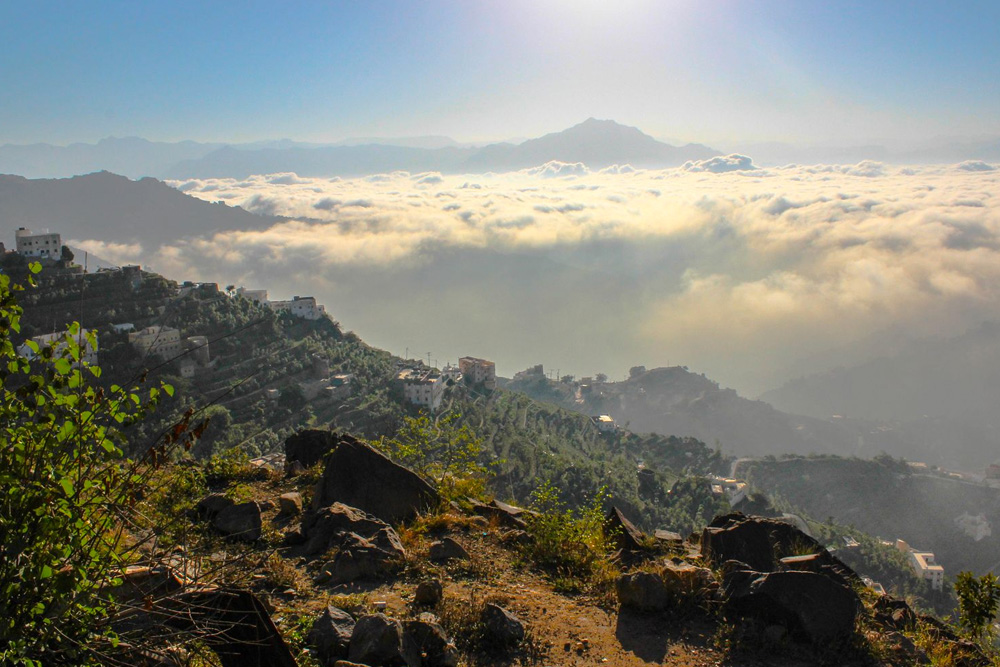
In the southernmost corner of Saudi Arabia, hugging the border with Yemen, sits the Jazan Province. This tropical, humid coastal plain abruptly hits a wall of vertical, jagged mountains that rise straight out of the earth. These are the Fayfa (Fifa) Mountains, often called the "Hanging Gardens of Arabia" or the "Neighbors of the Moon."
The Fayfa Mountains are completely unique. They are a cluster of hyper-steep, conical peaks wrapped in ancient, circular agricultural stone terraces. Because the region receives heavy tropical summer rains, every square inch of these mountains is carpeted in dense tropical greenery. Farmers here cultivate specialized high-value crops like premium Khawani coffee beans, sweet papayas, mangoes, tamarinds, and aromatic herbs.
The sensory immersion is unparalleled: the intense emerald color of the vertical cliffs, the sound of hidden mountain springs, and the rich taste of fresh, locally brewed Arabic cardamom coffee.
A short drive away lies Wadi Lajab, a spectacular limestone canyon that splits two massive rocky massifs.
Inside the narrow canyon, freshwater streams flow year-round, feeding hanging moss gardens, wild ferns, and palm trees that grow directly out of the vertical rock walls. The canyon is so deep that the sun only penetrates it for a few hours a day, keeping the water cool and refreshing for adventurous trekkers.
Top Things to Do in Jazan Highlands
-
Navigate the Terraces of Fayfa: Hire a local 4x4 driver to ascend the incredibly steep, winding roads to the mountain peaks for panoramic views of tropical step-farms.
-
Canyoneering in Wadi Lajab: Hike, wade, and swim through a narrow, moss-draped canyon filled with clean flowing fresh water and hanging natural gardens.
-
Visit a Khawani Coffee Farm: Connect with local mountain tribes—distinguished by their traditional colorful floral head crowns—and tour their generational coffee plantations.
Traveller Information
The coastal city of Jazan has a major airport (King Abdullah bin Abdulaziz Airport). Exploring the rugged interior mountains requires a sturdy 4x4 vehicle and, ideally, a local driver who understands the exceptionally steep terrain.
-
Fayfa (Fifa) Mountains: 110 km (approx. 1.5 to 2 hours drive) via 4x4 SUV Rental or Guided 4x4 Tour. Rates: 4x4 Rental: $70–$100/day; Local Mountain Driver: $40–$60
-
Wadi Lajab Canyon: 130 km northeast (approx. 2 hours drive) via Sturdy SUV. Rates: Full-day Guided Adventure Tour: $120–$180 per person
5. The Hidden Red Desert Eden: Wadi Al Disah in Tabuk

Located in the northwestern province of Tabuk, Wadi Al Disah (which translates to "The Valley of Palm Trees") offers a completely different visual marvel. Unlike the expansive alpine mountain ranges of the south, Al Disah is a masterclass in structural geological contrast: a deep, hidden canyon floor enclosed by monumental, vertical red sandstone cliffs reminiscent of Jordan’s Petra or America’s Utah canyons.
The green element here comes from an underground aquifer that feeds a freshwater river flowing directly through the center of the desert canyon. As you walk inside the canyon, your boots tread through high reeds, wild grasses, and dense, tangled groves of doum palms and date palms.
The sensory contrast is striking: the blazing hot, dry red sandstone spires towering hundreds of meters above, framing a cool, shaded valley floor humming with flowing water, rustling palm leaves, and the sweet smell of wild mint. It feels like stepping into a prehistoric, untouched oasis.
Top Things to Do in Wadi Al Disah
-
Canyon Trekking and Hiking: Walk along the flat, sandy and grassy canyon floor, exploring hidden side-canyons and natural freshwater pools.
-
Off-Roading and Camping: Set up a traditional desert camp beneath the towering red cliffs, falling asleep to the sound of frogs croaking in the riverbed.
-
Locate Nabataean Tombs: Search for historical archaeological ruins, ancient South Arabian inscriptions, and rock art carved into the base of the canyon walls.
Traveller Information
Wadi Al Disah is located roughly midway between the city of Tabuk and the coastal town of Duba. Most travellers fly into Tabuk Domestic Airport and rent a 4x4 to venture into the valley.
-
Wadi Al Disah Entrance: 210 km (approx. 2 hours to 2.5 hours drive) via 4x4 SUV. Rates: 4x4 Car Rental: $65–$90/day; Tour from Tabuk: $150/day
6. The Date Palm Ocean: Al Ahsa Oasis

To experience a green landscape that is deeply intertwined with human civilization, one must travel to the Eastern Province. Here lies the Al Ahsa Oasis, officially recognized by the Guinness Book of World Records as the largest self-contained oasis in the world and designated as a proud UNESCO World Heritage site.
Al Ahsa is a sprawling sea of over 2.5 million date palms stretching across a massive plain fed by over 280 natural freshwater artesian springs. Standing at the top of the historical Al Qarah Caves and looking out, the horizon disappears into an uninterrupted canopy of deep emerald green. The air is warm and humid, filled with the gentle rustle of palm fronds and the scent of fertile earth.
Walking underneath the canopy, you are shielded from the desert sun by a complex, ancient agricultural system where local farmers cultivate rice, fruits, and the world's finest Khalas dates using centuries-old irrigation channels.
Top Things to Do in Al Ahsa
-
Wander the Palm Groves: Take a leisurely walking or cycling tour through the quiet, shaded agricultural pathways of the historical oasis.
-
Climb Al Qarah Mountain: Explore the remarkable, naturally air-conditioned limestone caves that split through a rocky hill rising directly out of the palm jungle.
-
Visit the Jawatha Spring and Mosque: Relax in the modern green park surrounding one of the oldest historical mosques in eastern Arabia, built by the Bani Abd al-Qays tribe.
Traveller Information
Al Ahsa is exceptionally accessible. It features its own airport (Al-Ahsa International), but it is also connected via a modern high-speed train network running directly from Riyadh and Dammam.
-
Al Ahsa Oasis (Hofuf Hub): 320 km east of Riyadh via High-Speed SAR Train. Rates: Train Ticket: $20–$35 one-way (approx. 2 hours journey)
-
Al Qarah Caves (Local): 15 km from Hofuf city center via Local Taxi or Ride-share App. Rates: Ride-share: $7–$10; Cave Entry Ticket: ~$13
Tips for Exploring Green Saudi Arabia
To maximize your journey through the lush, emerald pockets of the Kingdom, keep these expert travel considerations in mind:
-
Timing is Key: The absolute best time to explore the southern mountain ranges (Asir, Al Bahah, Taif) is during the summer months (June to September) to escape the heat, or during the spring (March to May) to experience agricultural blooms. For Wadi Al Disah and Al Ahsa, autumn and winter (November to February) offer optimal daytime hiking weather.
-
Vehicle Choices: While a standard compact sedan is perfectly adequate for getting around the city centers of Abha, Taif, or Hofuf, exploring remote gems like Wadi Lajab, the Fayfa peaks, or inside Wadi Al Disah strictly mandates a four-wheel-drive SUV with good ground clearance.
-
Respect the Environment & Culture: Many of these green zones are fragile protected ecosystems or multi-generational private farmlands. Always stick to established hiking trails, pack out all your trash, and ask permission before entering private agricultural terraces or photographing local residents.
Saudi Arabia is a land undergoing rapid, inspiring transformation, and its natural diversity is one of its best-kept secrets. By venturing beyond the dunes and climbing into the cool, misty, emerald valleys of the southwest or entering the hidden canyon oases of the north, you will discover a profound side of Arabia that few international travellers have ever witnessed. Pack your hiking boots, open your heart to the legendary hospitality of the highland communities, and prepare to see a side of the Kingdom that is beautifully, surprisingly green.
.jpg?alt=media&token=6d572ee6-539e-44fa-ac36-dd482d972b86)