Saudi Arabia’s Hidden Emeralds: The Ultimate Rainy Season Travel Guide
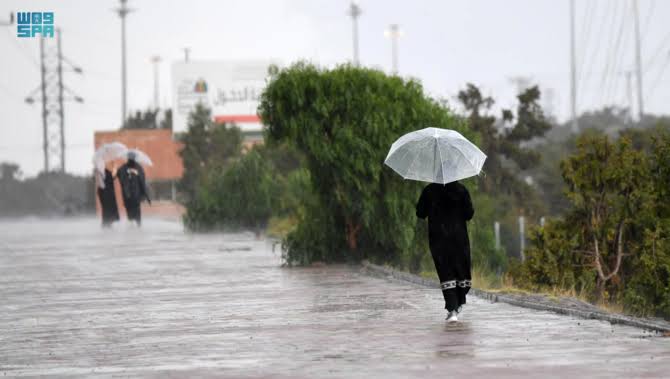
For the discerning global wanderer, traveling through Saudi Arabia during its wet seasons offers a deeply emotional connection to nature. The air smells cleanly of wet earth, mountain juniper, and warm cardamom tea. It is a side of the Middle East that few get to experience, where the desert gives way to rolling green hills and crisp alpine breezes. This comprehensive guide will take you through the premier rainy destinations across the Kingdom, providing everything you need to map out your next bucket-list adventure.
1. Abha and the Peaks of Aseer: The Capital of the Clouds
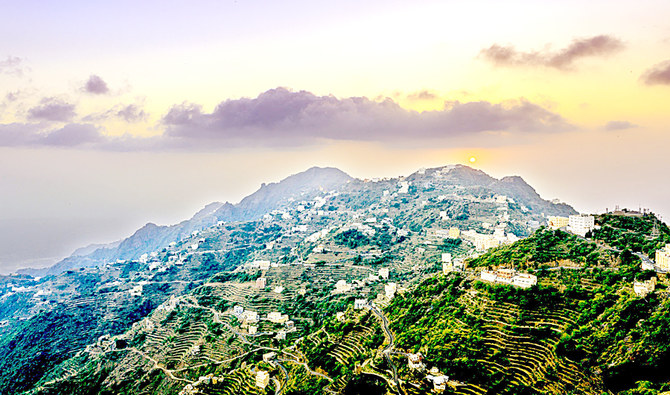
Tucked away in the southwestern corner of the country, Abha stands proudly as the capital of the Aseer Province. Perched at an elevation of over 2,200 meters above sea level, this mountainous sanctuary flips the script on typical Arabian weather. While the rest of the Arabian Peninsula experiences high summer heat, Abha experiences the Khareef—a distinct monsoon-like rainy season extending from June through late August.
When the rains arrive, the entire region is enveloped in a dense, dramatic blanket of fog, giving Abha its well-deserved nickname: the "City of Fog." The rain here falls in gentle afternoon showers, cooling the air down to a blissful 65°F (18°C). The precipitation coaxes life out of every rock crevice, turning the dramatic cliffs of the Sarawat Mountains into a vibrant, emerald wonderland.
The sensory experience of Abha in the rain is unmatched. You will hear the distant rush of mountain streams, feel the cool condensation of low-hanging clouds on your skin, and smell the crisp, herbal aroma of wild juniper trees mixed with the sweet scent of local mountain honey.
Top Things to Do in Abha during the Rainy Season
-
Ride the Al Soudah Cable Cars: Gliding through the air as your cable car passes directly into a thick cloud bank is an unforgettable thrill. The system connects the high peaks to the valley floors, offering bird’s-eye views of terraced green mountainsides glistening under the fresh rain.
-
Wander through the Historic Mud-Brick District of Shada Palace: Built in the early 20th century, this traditional palace now stands as a museum. When the rain falls, the mud and stone architecture darkens beautifully, offering an evocative window into the traditional architecture of the Aseer region.
-
Explore the Green Mountain (Jabal Thera): Illuminated in a brilliant green hue at night, the peak of this mountain features cozy, glass-walled cafes. Sitting at the top with a hot mug of qahwa (Arabic coffee) while watching the rain patter against the windows and the fog roll across the city lights below is a quintessential Abha ritual.
-
Hike through Aseer National Park: The rain brings out the rich birdlife of the region, including the rare Aseer magpie. The hiking trails take you past cascading seasonal streams and dramatic viewpoints overlooking the coastal Tihama plains far below.
Traveller Information
-
Distance from Capital City (Riyadh): Approximately 600 miles (965 km) southwest of Riyadh.
-
Mode of Transportation: The most efficient way to reach Abha from Riyadh is via a domestic flight (1.5 hours) to Abha International Airport (AHB). Alternatively, adventurous road-trippers can embark on a scenic 9-hour drive along Highway 10 and Route 255. Within the city, ride-hailing apps like Uber and Careem operate seamlessly, though renting a 4x4 vehicle is highly recommended for safely navigating the winding, misty mountain passes.
-
Estimated Rates: General entry to public parks and mountain trails is completely free. A round-trip ticket for the Al Soudah cable car averages between $22.00 and $28.00 USD. A typical cross-town ride-hailing fare runs around $7.00 to $12.00 USD. Boutique mountaintop cafe drinks range from $4.00 to $6.00 USD.
2. Rijal Almaa: The Glistening Heritage Jewel

Located just a short, dramatic descent down the mountain passes from Abha, the centuries-old village of Rijal Almaa feels like a living fairytale village pulled from the pages of history. This UNESCO World Heritage tentative site consists of over 60 multi-story fortresses constructed entirely from local basalt stone, mud, and shimmering quartz wood.
During the rainy season, Rijal Almaa undergoes an incredible aesthetic transformation. The dark volcanic stones absorb the rainwater, turning a deep, rich charcoal black that makes the bright, white-painted window frames and multi-colored geometric shutters pop with incredible contrast. The surrounding hillsides turn a velvety green, and a gentle mist often hangs suspended between the towering stone structures.
The village carries a distinct scent during the wet season—a comforting blend of damp stone, old wood, and the smoky fragrance of wood-fired ovens baking fresh local bread down in the village square.
Top Things to Do in Rijal Almaa during the Rainy Season
-
Tour the Central Heritage Museum: Located inside the tallest six-story fortress, the museum houses a vast collection of ancient weapons, traditional silver jewelry, and handwritten manuscripts detailing the history of the regional tribes.
-
Photograph the Quartz Windows: Stroll along the narrow, stone-paved alleys while the rain falls softly. The local quartz stone used to line the windows catches the diffused rainy daylight, making the buildings look as if they are studded with rows of diamonds.
-
Savor Local Asiri Cuisine at the Village Square: Find shelter under the traditional arcade porches and enjoy a warm bowl of Aseedah (a traditional cooked dough dish served with fresh mountain honey and clarified butter) while watching the rain fill the central valley brook.
-
Visit the Flowered Men Heritage Center: Learn about the indigenous Qahtan tribe, famous for creating intricate, highly fragrant crowns made of fresh jasmine, wild herbs, and marigolds which they wear in their hair.
Traveller Information
-
Distance from Abha City Centre: Approximately 32 miles (52 km) west of central Abha, down the scenic mountain curves.
-
Mode of Transportation: Because of the steep drops and dramatic tunnels, hiring a professional local driver or booking an organized day-tour from Abha is the best option. If you choose to drive yourself, ensure your rental car has excellent brakes and that you travel well before nightfall, as the afternoon rain can bring quick fog that reduces visibility.
-
Estimated Rates: Entry to the public heritage village grounds is roughly $5.50 to $8.00 USD per person. A private guided day-tour from Abha, including round-trip transport, typically costs between $75.00 and $110.00 USD per vehicle. A traditional meal at the local village eatery ranges from $9.00 to $15.00 USD.
3. Taif: The Rose-Scented Valley of Respite
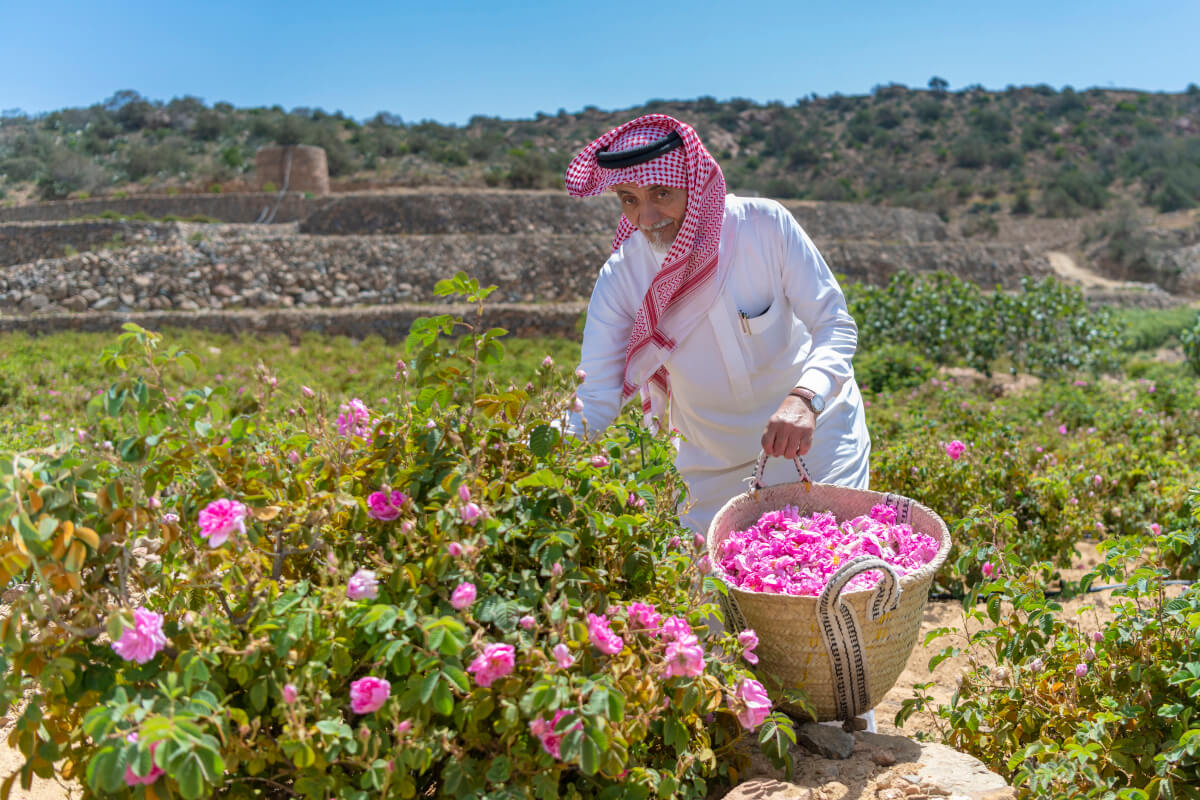
Perched high in the Hijaz Mountains just an hour’s drive from Makkah, Taif has served as the official summer capital and premier agricultural haven of Saudi Arabia for generations. While it experiences intermittent showers throughout the year, its primary rainy period occurs during the spring months of March and April.
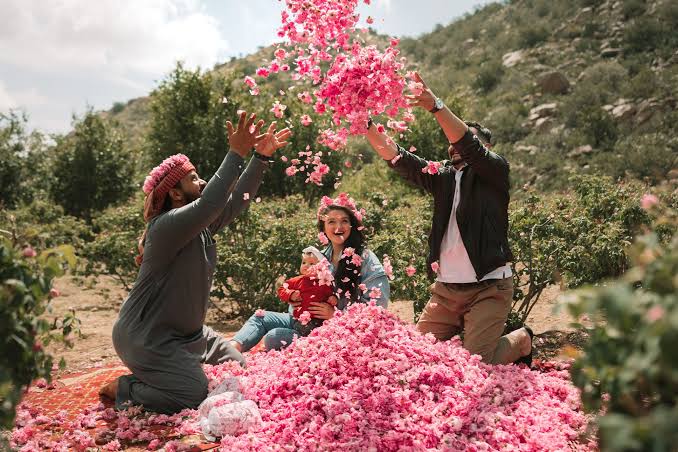
The arrival of the spring rains triggers one of the most famous natural phenomena in the Middle East: the blooming of the celebrated Taif Roses. Millions of delicate, thirty-petal pink roses burst into bloom across the terraced valleys of Al Shafa and Al Hada. When the cool raindrops hit these vast floral fields, the entire city is bathed in an intoxicating, natural perfume of damp earth and sweet, fresh rose oil.
The climate drops to a crisp, refreshing 68°F (20°C) during a downpour, making it the perfect escape from the coastal humidity of nearby Jeddah.
Top Things to Do in Taif during the Rainy Season
-
Visit an Active Rose Distillery: Head into the hills of Al Shafa during a rainstorm to see how local farmers harvest the wet rose petals and steam-distill them in large copper pots to create the world’s most expensive rose water and perfumes.
-
Explore Al Rudaf Park: This massive public park features dramatic natural rock formations that collect small pools of rainwater. The centerpiece of the park is a large lake featuring a musical fountain show that looks spectacular when viewed under a soft evening drizzle.
-
Tour the Historic Shubra Palace: This beautiful white-and-gold palace features traditional architectural styles blended with classical European details. The rain washing over its marble pillars gives it an elegant, luminous look.
-
Drive the Al Hada Mountain Road at Twilight: This engineering marvel features sweeping zig-zag curves down the mountain cliffside. During the rainy season, the road regularly pierces through sea-like layers of low clouds, making you feel as though you are driving through the heavens.
Traveller Information
-
Distance from Jeddah: Approximately 105 miles (168 km) east of Jeddah.
-
Mode of Transportation: The drive from Jeddah takes about 2 hours via the beautifully paved Route 15 highway. Taxis and ride-hailing services are available for inter-city travel, but hiring a private rental car directly from Jeddah Airport gives you the ultimate freedom to explore the remote rose farms hidden deep within the mountain valleys.
-
Estimated Rates: Park entry to Al Rudaf is free. Entrance to active rose distilleries for tours and product sampling is typically free, though purchasing a small vial of pure Taif Rose essential oil can run anywhere from $40.00 to $80.00 USD due to its extreme purity. A standard rental car costs around $35.00 to $55.00 USD per day.
4. Al Bahah: The Forest Kingdom of the West
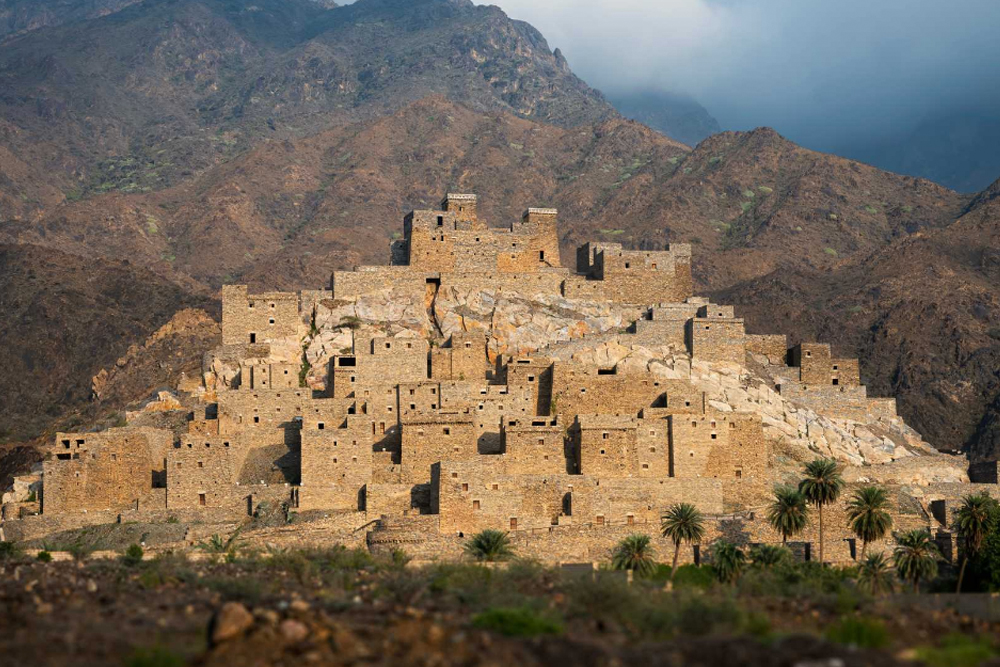
Often overlooked by mainstream tourists, Al Bahah is a high-altitude province tucked quietly between Taif and Abha. It is an alpine landscape characterized by dense juniper forests, rugged granite peaks, and hundreds of ancient stone watchtowers poking through the wilderness. Al Bahah receives substantial rainfall during the late winter and early spring months, turning the entire province into a lush, green woodland that defies the stereotypical desert image of Saudi Arabia.
When it rains in Al Bahah, the soundscape is dominated by the whisper of wind through thousands of tree branches and the trickling of water down ancient stone terraces. The air is remarkably clean and cool, filled with the sharp, resinous aroma of wet evergreen pine and wild mint.
Top Things to Do in Al Bahah during the Rainy Season
-
Explore the Dhee Ayn Heritage Village: Built on a white marble hill, this historic stone village looks like a glowing fortress rising out of a green valley. The rain washes the marble foundations clean, making the entire hill gleam under the gray skies. The valley floor below is packed with banana groves and palm trees that thrive in the wet weather.
-
Walk the Misty Paths of Raghadan Forest Park: This dense woodland features paved walking paths that wind through towering juniper trees. During the rainy season, fog rolls through the trees so thickly that visibility drops to just a few feet, creating an enchanting, mysterious atmosphere perfect for walking.
-
Picnic at Prince Hussam Park: Featuring expansive green lawns, stepped waterfalls, and artificial lakes, this park is designed to showcase the natural water wealth of the province during the wet season.
-
Stand Atop the Mountain Watchtowers: Climb to one of the public observation decks on the historic stone towers scattered along the cliffs to watch the storm clouds roll across the deep mountain canyons.
Traveller Information
-
Distance from Riyadh: Approximately 530 miles (850 km) southwest of Riyadh.
-
Mode of Transportation: The most convenient route is a direct domestic flight (1 hour and 40 minutes) from Riyadh to Al-Baha Domestic Airport (ABT). From the airport, renting a sturdy SUV is essential, as the roads leading to destinations like Dhee Ayn involve steep gradients and sharp curves that require a vehicle with excellent traction during wet weather.
-
Estimated Rates: Entry to Raghadan Forest Park is free. Admission to the historic Dhee Ayn village grounds is approximately $4.00 to $6.00 USD per person. Daily SUV rentals at the airport range from $50.00 to $85.00 USD. A warm, comforting meal of Mandi chicken and rice at a traditional local restaurant costs roughly $8.00 to $12.00 USD.
5. Rawdat Khuraim: The Desert’s Secret Emerald Oasis
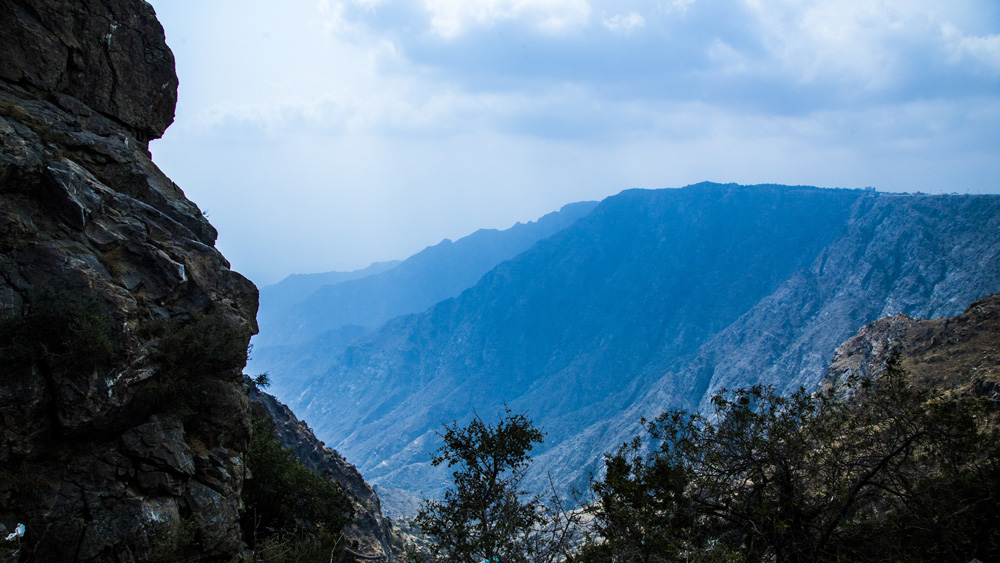
For those staying in the capital city of Riyadh who want to experience the magic of the rainy season without catching a flight, Rawdat Khuraim is the ultimate local secret. Located just a short drive northeast of the city limits, this protected sanctuary is affectionately known as the "King Abdulaziz Forest."
While it remains a dry, quiet valley for most of the year, the arrival of the winter rains between December and February triggers a miraculous ecological phenomenon. The rainwater drains into the low basin, causing a massive, dormant ecosystem to instantly burst into life. Within days of a heavy downpour, the dry desert floor transforms into an ocean of lush, green grass dotted with fields of wild mustard flowers, purple clover, and unique desert blossoms found nowhere else.
The contrast is visually stunning—bright emerald green earth meeting the soft orange sand dunes at the horizon. The air here smells remarkably fresh, carrying the clean scent of damp earth and the honey-like fragrance of millions of tiny wildflowers.
Top Things to Do in Rawdat Khuraim during the Rainy Season
-
Walk the Wooden Eco-Boardwalks: To protect the delicate, freshly sprouted desert flora, the sanctuary features miles of elevated wooden boardwalks. Walking along these paths allows you to immerse yourself fully in the green forest canopy without disturbing the plants.
-
Spot Rare Regional Wildlife: The winter rains draw out a vast array of wildlife from the surrounding wilderness. Bring binoculars to spot rare Arabian sand gazelles, goitered gazelles, and a beautiful variety of migrating desert birds resting in the green trees.
-
Indulge in a Traditional Kashta (Desert Picnic): Do as the locals do—bring a warm blanket, a portable gas stove, and a pot of fresh mint tea. Set up your camp right on the edge where the green grass meets the soft sand dunes, and relax as the cool winter breeze sweeps across the plains.
-
Photograph the Seasonal Desert Lakes: Heavy rain creates temporary, crystal-clear shallow lakes right in the middle of the green meadows, reflecting the dramatic winter storm clouds above.
Traveller Information
-
Distance from Riyadh City Centre: Approximately 60 miles (97 km) northeast of central Riyadh.
-
Mode of Transportation: The destination is easily reached via a comfortable 1.5-hour drive along Route 550. While the main access roads are fully paved, having a vehicle with decent ground clearance is helpful if you want to pull off into the designated sandy parking rings on the perimeter. Ride-hailing apps will drop you off here, but securing a return ride can be extremely difficult due to the remote nature of the park, so renting a car or booking a private day-driver for a round trip is highly recommended.
-
Estimated Rates: Entering the Rawdat Khuraim sanctuary grounds is completely free to the public. A round-trip private driver hire from central Riyadh for the day averages between $60.00 and $90.00 USD. A complete picnic supply kit (including a thermos of hot tea, dates, and snacks bought from a roadside shop) costs roughly $10.00 to $15.00 USD.
Travel Tips for Chasing the Rains in Saudi Arabia
-
Monitor Local Weather Alerts Regularly: Mountain weather in regions like Aseer and Al Bahah can change rapidly. Heavy rain can occasionally trigger brief flash floods in the low valleys (wadis). Always download the official Saudi National Center for Meteorology app and never attempt to drive through accumulated water on valley roads.
-
Pack the Right Wardrobe: Saudi Arabia is famous for heat, but the rainy mountain seasons are surprisingly cold. Pack a high-quality windproof rain jacket, sturdy waterproof hiking shoes with excellent grip for wet granite trails, and light thermal layers, as evening temperatures in Abha and Al Bahah can easily drop to 50°F (10°C) during a storm.
-
Embrace the Timing of the Seasons: Remember that the rainy seasons vary by geography. For the southwestern green mountains (Abha, Rijal Almaa, Al Bahah), plan your trip during the summer months from June to August. For the central oasis plains and northern wonders, plan your journey during the peak winter months from December to February.
-
Respect the Local Ecosystems: The rainy season flora is fragile and takes months to grow. Always stay on designated boardwalks or established stone paths, and ensure you leave no trace behind when enjoying outdoor desert picnics.
.jpg?alt=media&token=6d572ee6-539e-44fa-ac36-dd482d972b86)