Bryce
Utah, United States of America
Introduction
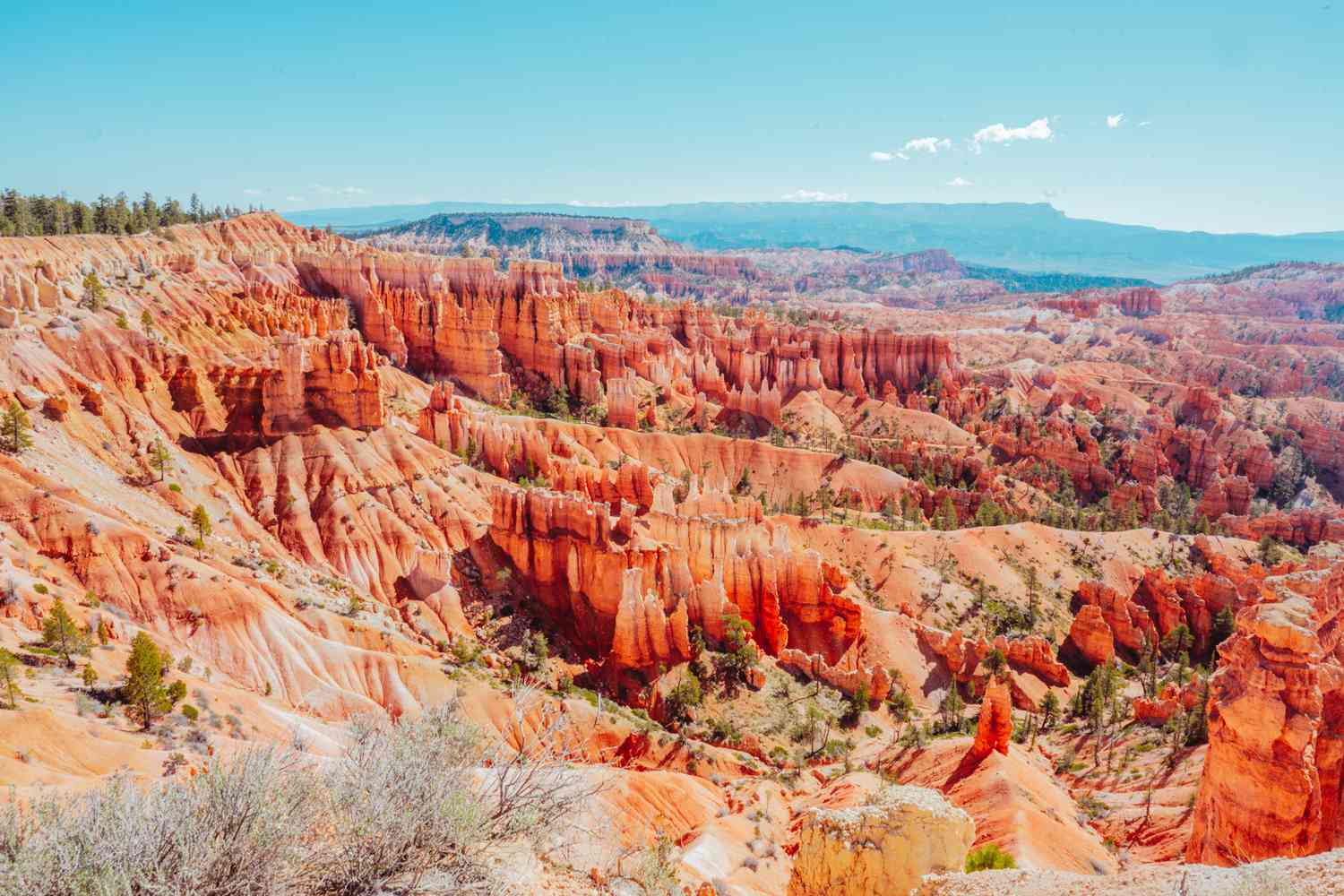
A hush falls over the rim at dawn—the air crisp and electric as the first rays ignite the hoodoos in a fiery glow. Inhale deeply, and you can almost taste the cool desert wind mingling with the scent of pine and sandstone. Bryce Canyon whispers of hidden layers: geological time in vibrant reds, quiet forests, and star-dusted nights that beckon the soul.
This place surprises you—from its alien rock sculptures to sudden pockets of alpine tranquility—perfect for impressionable first-timers and seasoned wanderers alike.
Where Is It & Why It Matters
Bryce Canyon National Park sits in southwestern Utah, USA, spanning Garfield and Kane Counties. It’s not a “canyon” in the traditional sense, but a sweeping gallery of natural amphitheaters carved into the Paunsaugunt Plateau.
Prized for its vibrant hoodoos—fragile spires sculpted by frost and erosion—Bryce offers one of the most photogenic landscapes on Earth
Named after Ebenezer Bryce, a Scottish Mormon homesteader who settled near the rim in the late 19th century, the area became a National Monument in 1923 and was elevated to National Park status in 1928. This high-elevation marvel (8,000–9,000 feet) offers far-reaching vistas—on clear days, the horizon stretches across plateaus, cliffs, and distant peaks
Though not UNESCO-listed, it shines as an International Dark Sky Park, recognized for its pristine nighttime skies.
Best Time to Visit
May through September brings warm days and a full slate of ranger programs, perfect for hiking and guides
Spring (Mar–May) unveils wildflowers and bird migration; fall (Sep–Nov) brings cooling temps and golden foliage with thinner crowds
Winter (Nov–Mar) blankets the hoodoos in snow—a photographer’s dream and a gateway to snowshoeing and cross-country skiing—though some roads or facilities may be limited
Off-season perks: quieter paths, lower rates, magical light. Downsides: unpredictable weather and occasional closures to prepare for.
How to Get There & Around
By Air
Major: Las Vegas (LAS) and Salt Lake City (SLC) — both ~270 miles away
Regional: Cedar City (CDC) (~80 mi) and St. George (SGU) (~125 mi)
By Road
Scenic highway routes—especially Highway 12—connect Bryce to attractions like Zion and Capitol Reef
By Train/Bus
No direct service to the park; car rental or shuttle transfers are typical
Local Transport
In-park shuttle (free with entry) runs late May–October along the rim to reduce traffic.
On-foot exploration, ride horseback, or take guided tours from the Visitor Center
Top Attractions You Can’t Miss
- Bryce Amphitheater — heart of the park with sweeping hoodoo views.
- Sunrise Point, Sunset Point, Bryce Point, Inspiration Point — each reveals different moods in light and shadow
- Thor’s Hammer — iconic hoodoo seen best along the Navajo Loop Trail
- Hiking Highlights:
- Easy: Queen’s Garden, Mossy Cave, Rim Trail.
- Moderate: Navajo Loop, Tower Bridge.
- Challenging: Peekaboo Loop, Fairyland Loop
- Night Sky Viewing — one of the top spots for stargazing in the States
- Bryce Canyon Lodge — historic rustic architecture, built in the 1920s and still charming today
Tips: Catch sunrise at Bryce Point for the hoodoos ablaze in soft light; book winter ranger and astronomy events early if they require scheduling
Top Festivals in USA
Top Festivals in USA in JanuaryTop Festivals in USA in FebruaryTop festivals in USA in MarchTop festivals in USA in AprilTop festivals in USA in MayTop festivals in USA in JuneTop festivals in USA in JulyTop festivals in USA in AugustTop festivals in USA in SeptemberTop Festivals in US in OctoberTop festivals in USA in NovemberTop festivals in USA in December