
.jpg?alt=media&token=8dbc0bfb-b550-4cd9-be84-4eb1048abac6)
Al Ula
Al-Ula: Where Ancient Whispers Meet Modern Dreams in Saudi Arabia's Hidden Oasis
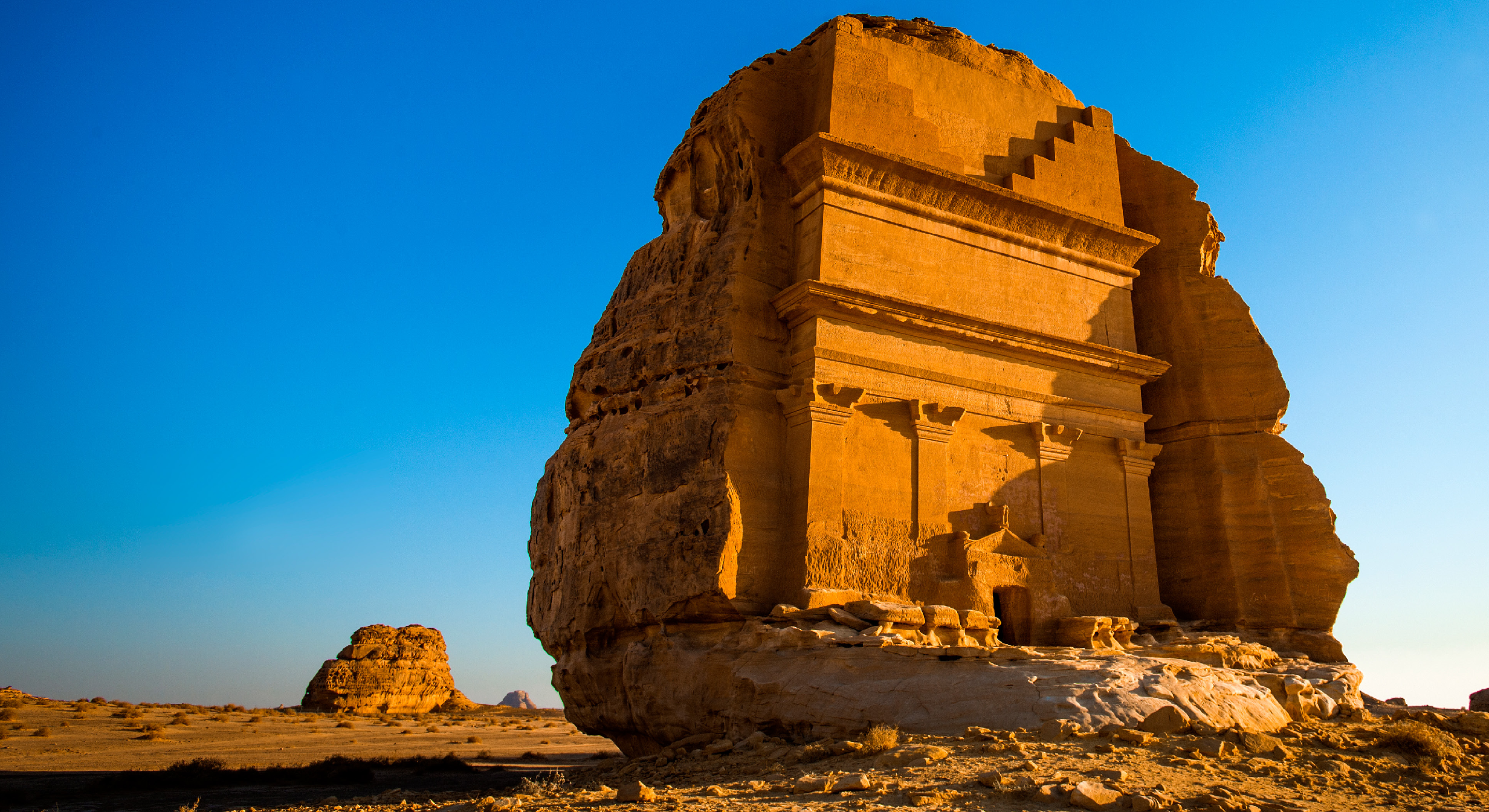
The golden hour light catches the sandstone cliffs of Al-Ula like nature's own spotlight, illuminating millennia of human stories carved into living rock. Here, where the desert wind carries the echoes of ancient caravans and forgotten kingdoms, time seems to bend and fold upon itself. This is a place where every grain of sand holds secrets, where modern Saudi Arabia's bold vision for the future meets one of humanity's oldest crossroads.
In Al-Ula, you don't just visit history—you walk through it, breathe it, and feel it pulse beneath your feet like a heartbeat that has never stopped.
Nestled in the northwestern Medina Province of Saudi Arabia, Al-Ula sits like a jewel in the Hejaz desert, approximately 300 kilometers north of Medina. This ancient oasis city occupies a strategic position along the historic incense route that once connected the Arabian Peninsula to the Mediterranean world.
For over 2,000 years, Al-Ula served as a vital crossroads for civilizations, where Nabataeans, Romans, and Islamic empires left their indelible marks. The region's crown jewel, Hegra (Mada'in Salih), represents the southernmost major settlement of the Nabataean civilization—the same masterful architects who carved Petra in Jordan. This UNESCO World Heritage Site houses over 110 remarkably preserved tombs that rival Petra's grandeur.
The dramatic landscape features towering sandstone formations, ancient palm groves, and archaeological treasures that span millennia. Al-Ula's significance extends beyond tourism; it's a cornerstone of Saudi Arabia's Vision 2030, transforming from a hidden archaeological wonder into a world-class cultural destination while preserving its authentic heritage.
Best Time to Visit
Peak Season (November to March): Average temperatures range from 15-25°C (59-77°F), making this the ideal time for exploration. Crystal-clear skies and comfortable weather create perfect conditions for outdoor adventures and archaeological site visits.
Spring (April-May): Temperatures climb to 25-35°C (77-95°F). Spring brings occasional desert blooms and extends daylight hours for photography, though midday heat requires strategic planning.
Summer (June-September): Extremely hot with temperatures exceeding 40°C (104°F). This off-season offers significantly lower accommodation rates and fewer crowds, but outdoor activities are best limited to early morning and evening hours.
Winter Festival Season: Time your visit around the Winter at Tantora festival (December-February), featuring world-class performances against the backdrop of ancient Nabataean tombs. The Hegra After Dark experience and various cultural events create magical evening atmospheres.
Pro Tip: Book accommodations well in advance during peak season, especially around festival periods when international visitors flock to witness performances in this extraordinary setting.
How to Get There & Around
Transport Mode Details By Air Prince Abdul Majeed bin Abdulaziz Airport (ULH) receives domestic flights from major Saudi cities. International visitors typically fly into Riyadh (4.5 hours by car) or Jeddah (6 hours by car) By Train No direct rail service. Nearest station is Medina (3.5 hours by road) By Road Well-connected highways from Riyadh, Jeddah, and Tabuk. Car rental recommended for flexibility Local Transportation:
- Rental Cars: Essential for exploring multiple sites independently
- Tour Operators: Organized tours with expert guides available through hotels and local companies
- Taxis/Ride-sharing: Limited but available for short distances
- Bicycles: Some hotels offer bike rentals for exploring nearby areas
Insider Transport Tips:
- Download offline maps before venturing into remote archaeological sites
- Carry extra water and fuel for desert driving
- Many sites require advance booking through the official Experience Al-Ula app
Top Attractions You Can't Miss
Hegra (Mada'in Salih)
The star attraction features 111 monumental tombs carved into sandstone outcrops by Nabataean masters. The Tomb of Lihyan son of Kuza, with its imposing 72-foot facade, showcases intricate architectural details that have survived 2,000 years. Visit during the golden hour for photography and book the Hegra After Dark experience for an otherworldly nighttime journey.
Al-Ula Old Town
Wander through the abandoned mudbrick village that housed Al-Ula's residents until the 1980s. The labyrinthine alleyways, traditional houses, and ancient mosque create an authentic glimpse into traditional Arabian architecture. The site offers guided historical walks and cultural performances.
Elephant Rock (Jabal AlFil)
This natural sandstone formation, sculpted by millions of years of wind erosion, stands 171 feet tall and perfectly resembles a massive elephant. The surrounding desert landscape provides spectacular sunrise and sunset viewing opportunities, with designated viewing areas and refreshment facilities.
The Incense Route
Explore remnants of the ancient trade route through the Khuraiba and Dadan archaeological sites. These ruins reveal the sophisticated urban planning and architectural achievements of the Dadanite and Lihyanite kingdoms that controlled this crucial commercial corridor.
Maraya Concert Hall
The world's largest mirrored building creates stunning optical illusions against the desert backdrop. This architectural marvel hosts international performances and offers guided tours showcasing its innovative design that reflects Al-Ula's landscape infinitely.
Offbeat Experiences & Hidden Gems
Jabal Ikmah Open-Air Library
Often called the "open-air library," this site contains hundreds of inscriptions in various ancient scripts including Dadanite, Thamudic, and early Arabic. Local guides share stories decoded from these rock inscriptions, offering intimate connections to ancient travelers' thoughts and prayers.
Rainbow Rock Formation
A lesser-known geological wonder featuring naturally occurring multicolored sandstone layers. The remote location requires a guided 4WD expedition but rewards visitors with pristine desert solitude and unique photo opportunities.
Traditional Oasis Agriculture Experience
Visit working date palm farms where local families maintain centuries-old cultivation methods. Participate in harvest activities, learn traditional irrigation techniques, and taste fresh dates while understanding the agricultural heritage that sustained Al-Ula for millennia.
Food & Drink Scene
Al-Ula's culinary landscape blends traditional Hejazi flavors with contemporary dining experiences that cater to international visitors.
Local Specialties to Try:
- Kabsa Al-Ula: Regional variation of Saudi Arabia's national dish featuring locally-sourced lamb and aromatic spices
- Tamr wa Laban: Fresh dates with camel milk, a traditional desert combination
- Hejazi Bread: Freshly baked flatbread perfect for sharing
- Desert Honey: Locally harvested honey with distinctive floral notes from desert plants
Recommended Dining:
- Suhail Restaurant: Upscale dining with panoramic desert views and modern interpretations of traditional dishes
- Maraya Restaurant: Fine dining within the mirrored concert hall complex
- Local Date Farms: Authentic farm-to-table experiences with traditional Arabian hospitality
Street food options remain limited, with most dining experiences centered around hotels and organized tours that emphasize quality over quantity.
Where to Stay
Luxury Desert Camps:
- Habitas AlUla: Eco-luxury tented accommodations with sustainable design and wellness programs
- Shaden Resort: Premium desert resort offering villa-style accommodations with private terraces
Boutique Properties:
- Sahary AlUla Resort: Mid-range option with traditional Arabian architectural elements
- Al-Ula Heritage Hotels: Converted historical buildings offering authentic cultural immersion
Budget-Friendly Options:
- Local guesthouses and camping experiences provide affordable alternatives
- Many properties offer all-inclusive packages that include meals and guided tours
Best Areas by Traveler Type:
- Romantic Getaways: Desert camps with private terraces and spa services
- Families: Resorts with multiple room configurations and child-friendly activities
- Cultural Enthusiasts: Heritage properties near archaeological sites
- Adventure Seekers: Camps offering direct access to hiking and exploration activities
Who Will Love This Destination
History and Archaeology Enthusiasts: Al-Ula offers unparalleled access to well-preserved ancient civilizations with expert-guided experiences that bring millennia-old stories to life.
Photographers: Golden hour light on sandstone formations, star-filled desert skies, and architectural marvels create endless creative opportunities for both amateur and professional photographers.
Luxury Travelers: World-class accommodations, exclusive experiences, and personalized service standards rival any global destination while offering unique cultural authenticity.
Couples Seeking Romance: Private desert dinners, stargazing experiences, and intimate guided tours create perfect romantic escapes in extraordinary settings.
Cultural Immersion Seekers: Deep dive into Arabian heritage through authentic experiences, traditional crafts, and genuine local interactions that extend beyond typical tourist activities.
Adventure Travelers: Rock climbing, desert hiking, and 4WD expeditions satisfy active travelers while archaeological exploration adds intellectual adventure.
Local Culture, Etiquette & Dress Code
Dress Code:
- General Areas: Modest dress covering shoulders and knees required for both men and women
- Religious Sites: Long pants and shirts with full sleeves mandatory; women should carry headscarves
- Desert Activities: Sun protection essential; lightweight, breathable fabrics recommended
Cultural Etiquette:
- Remove shoes when entering traditional buildings or private homes
- Use right hand for eating and greeting; left hand considered unclean
- Avoid pointing with feet or showing sole of shoes
- Photography of people requires permission, especially local residents
Useful Arabic Phrases:
- Ahlan wa Sahlan (Welcome) - Standard greeting for visitors
- Shukran (Thank you) - Shows appreciation for hospitality
- Min fadlik (Please) - Polite way to make requests
- Maasalama (Goodbye) - Respectful farewell
Religious Considerations:
- Respect prayer times when visiting archaeological sites
- Avoid eating, drinking, or smoking in public during Ramadan daylight hours
- Friday afternoons may see reduced activity during Jummah prayers
Shopping & Souvenirs
Authentic Local Crafts:
- Handwoven Textiles: Traditional Sadu weaving techniques create beautiful rugs and bags that support local artisan communities
- Silver Jewelry: Hejazi-style jewelry featuring traditional Arabian designs and craftsmanship
- Oud and Frankincense: High-quality aromatic products reflecting the region's historical role in the incense trade
Where to Shop:
- Al-Ula Heritage Village: Artisan workshops and cooperatives selling directly from makers
- Hotel Gift Shops: Curated selection of authentic regional crafts and luxury items
- Archaeological Site Shops: Replica artifacts and educational materials
Shopping Tips:
- Bargaining is less common in Al-Ula's formal retail settings compared to traditional souks
- Look for items certified as locally made to support community development
- Many shops accept major credit cards, though cash remains preferred for small purchases
Unique Finds:
- Date products including premium Medjool dates and date-based sweets
- Traditional coffee (qahwa) sets with ornate serving vessels
- Handcrafted leather goods made using traditional techniques
Activities to Do Beyond Sightseeing
Stargazing Expeditions:
Al-Ula's minimal light pollution creates exceptional conditions for astronomy. Guided stargazing tours use professional telescopes to explore constellations while sharing ancient Arabian navigation stories.
Rock Art Workshops:
Learn about prehistoric petroglyphs and practice traditional stone carving techniques under expert supervision, creating your own artistic interpretations of ancient symbols.
Desert Wellness Experiences:
Sunrise yoga sessions, meditation retreats, and spa treatments incorporating local ingredients like desert plants and minerals offer rejuvenating wellness activities.
Adventure Sports:
- Rock Climbing: Guided climbs on sandstone formations suitable for various skill levels
- Desert Hiking: Multi-hour treks through diverse geological formations with expert guides
- Sandboarding: Thrilling descents down pristine dunes near Elephant Rock
Cultural Immersion Programs:
- Traditional Cooking Classes: Learn to prepare local dishes using authentic techniques and ingredients
- Falconry Experiences: Interact with trained falcons and learn about this important Arabian cultural tradition
- Traditional Music Sessions: Evening performances featuring oud and traditional percussion instruments
Nearby Destinations & Day Trips
Tayma Oasis (100km northeast)
Distance: 1.5 hours by car
Highlights: Ancient oasis town with archaeological sites dating to the 6th century BCE, including remnants of Babylonian influence and traditional mud-brick architecture. Full-day trip recommended.
Wadi Al-Qura (80km southeast)
Distance: 1 hour by car
Highlights: Dramatic canyon landscapes with hiking opportunities and geological formations. Ancient rock inscriptions and seasonal waterfalls make this ideal for half-day adventures.
Tabuk Province (200km north)
Distance: 2.5 hours by car
Highlights: Gateway to northwestern Saudi Arabia featuring Tabuk Castle, traditional souks, and access to the Jordan border region. Overnight trip recommended for comprehensive exploration.
Khaybar Oasis (150km southeast)
Distance: 2 hours by car
Highlights: Historic Jewish settlement sites, volcanic landscapes, and traditional date farms. Rich historical significance related to early Islamic history. Full-day trip with cultural and historical focus.
Al-Bad (Magna) (150km northwest)
Distance: 2 hours by car
Highlights: Coastal town on the Red Sea with beaches, snorkeling opportunities, and historical connections to ancient trade routes. Excellent for combining desert and sea experiences.
Budget Travel Tips
Accommodation Savings:
- Visit during shoulder seasons (April-May, September-October) for reduced rates
- Book package deals that include meals and tours for better overall value
- Consider sharing accommodations in larger villa-style properties
Transportation Economy:
- Rent cars for multi-day stays rather than relying on individual tours
- Group bookings for guided tours often receive significant discounts
- Use the Experience Al-Ula app for bundled activity packages
Food Budget Management:
- Hotel packages often provide better meal value than individual restaurant visits
- Bring snacks and water for day-long archaeological site explorations
- Local date farms offer authentic experiences at reasonable prices
Activity Cost Reduction:
- Many archaeological sites offer combined tickets for multiple locations
- Free activities include hiking, stargazing, and exploring geological formations
- Photography workshops and cultural demonstrations often included in hotel programs
Timing Strategies:
- Weekday visits typically offer lower accommodation rates
- Early morning and late afternoon activities avoid peak tour pricing
- Festival periods command premium prices but offer unique cultural experiences
Fun Facts & Trivia
Archaeological Wonders:
- Hegra contains inscriptions in four different ancient scripts, making it a linguistic treasure trove
- The site preserves the only major Nabataean settlement outside Jordan, offering unique insights into this remarkable civilization
- Some tombs at Hegra remain sealed and unopened, potentially containing invaluable archaeological evidence
Natural Phenomena:
- Al-Ula experiences temperature variations of up to 30°C between day and night during winter months
- The region's sandstone formations continue evolving through wind erosion, creating new shapes over geological time
- Desert foxes, Arabian oryx, and over 200 bird species call Al-Ula's diverse ecosystem home
Cultural Significance:
- The ancient incense route through Al-Ula connected southern Arabian frankincense sources to Mediterranean markets
- Traditional irrigation systems called aflaj still function after centuries of continuous use
- The region inspired numerous Arabic poets and travelers who documented their journeys through evocative verse
Modern Marvels:
- Maraya Concert Hall's mirrored facade uses 9,740 mirrors covering 9,740 square meters
- The Al-Ula development project represents one of the world's largest cultural preservation and tourism initiatives
- Advanced archaeological techniques including ground-penetrating radar continue revealing new discoveries
FAQs Section
How many days are enough to explore Al-Ula?
A minimum of 3-4 days allows you to visit the major archaeological sites, experience desert activities, and enjoy cultural programs. Photography enthusiasts and history lovers often prefer 5-7 days for deeper exploration and multiple golden hour shoots at different locations.
Is Al-Ula safe for solo female travelers?
Yes, Al-Ula maintains excellent safety standards with professional tourism infrastructure and security measures. Female solo travelers report feeling comfortable and respected. Many hotels offer women-only activities and spaces, while guided tours provide safe, structured exploration opportunities.
What's the best area to stay?
The main resort and hotel areas near Elephant Rock offer the best balance of access to major attractions and quality accommodations. Heritage area properties provide more cultural immersion but may require longer travels to some sites. Desert camps offer unique experiences but are best for adventurous travelers.
Immerse Yourself
Trending Categories
Explore
Must-see Attractions

Hegra (Madāʾin Ṣāliḥ), Al Ula
Hegra (Madāʾin Ṣāliḥ) is Saudi Arabia’s first UNESCO World Heritage Site and one of the most extraordinary archaeological landscapes in the Middle East. Located in AlUla, it features over 100 monumental Nabataean tombs carved into golden sandstone cliffs, standing quietly in the desert for more than 2,000 years. It’s a place where history feels close, tangible, and deeply moving.
Explore More
Read More
Latest Blogs
.jpg%3Falt%3Dmedia%26token%3D91d9148d-8de1-48fe-897d-4e18cfa12d94&w=3840&q=75)
April Adventures: Exploring the Top Places to Visit in Saudi Arabia in April
Saudi Arabia can be visually stunning and just perfect for a trip filled with nature, culture, and fun outdoor activities in April. This blog explains that you can experience so much more in different parts of Saudi Arabia when you decide to spend your April holidays there. The Old Heritage Sites of AlUla, The Breezy Shores of Jeddah, and The Mountain Escapes of Asir are just a few examples of where you find spring in Saudi Arabia.
.jpg%3Falt%3Dmedia%26token%3D5d608f2f-37c0-4e83-b545-14237e35df63&w=3840&q=75)
March in Saudi Arabia: Top Events/Festivals every traveler should attend
Touring Saudi Arabia in March is simply great. The weather is excellent, and a wide range of cultural celebrations, food festivals, musical events, and outdoor activities make the Kingdom a place to be. The options are so different, from art in the city to heritage festivals in the countryside.
.jpg%3Falt%3Dmedia%26token%3D0f639bec-ca23-4f3c-a031-ca0c5649585e&w=3840&q=75)
Spring Escapes: Top Places to Visit in Saudi Arabia in March
Going to Saudi Arabia during March can be considered a wise decision because the weather is comfortable, the deserts are in bloom, there are more festivals in the open, and the cultural experiences are plentiful. This blog covers cities, desert landscapes, heritage sites, and coastal experiences for nature lovers, adventure seekers, culture enthusiasts, or those wanting a calm spring vacation.
.jpg%3Falt%3Dmedia%26token%3Db7116882-2994-4612-a764-4c7a8c3af37b&w=3840&q=75)
Your Ultimate Guide to the Top Events/Festivals in Saudi Arabia in February
February in Saudi Arabia is a lively mix of culture, arts, the traditional past, and the modern side of entertainment. This blog dives into the top happenings and festivals that take place all over the Kingdom during this colorful month, presenting music, food, sports, heritage villages, and a lot more to the travelers looking for an unforgettable Saudi experience.

Best Road Trips from Jeddah: Scenic Routes, Beaches, Mountains & Hidden Gems
Find colorful, vibrant, and eye-catching road trips filled with culture that you can take from Jeddah. This all-inclusive guide to travel covers the best routes, must-see places, and handy travel tips, as well as unique experiences that can be either a short trip or a longer journey. Get away from the tranquil Red Sea beaches and travel to the amazing mountains and ancient archaeological sites.
Read All