A Complete Guide to Public Transport in Asheville, North Carolina: Where to stay, what to see, and how to get around
Asheville, North Carolina, hidden in the gorgeous Blue Ridge Mountains, has become one of the top places to visit in the United States. It is known for a lively arts scene, fresh local dining, craft breweries, and amazing mountain views, and in this way, Asheville is a perfect place to visit out of the blue.
However, many tourists think that you need to have your own car if you want to visit a mountain town like Asheville, but actually, it is possible to enjoy your stay there without driving at all through the use of a public transportation system of the city.
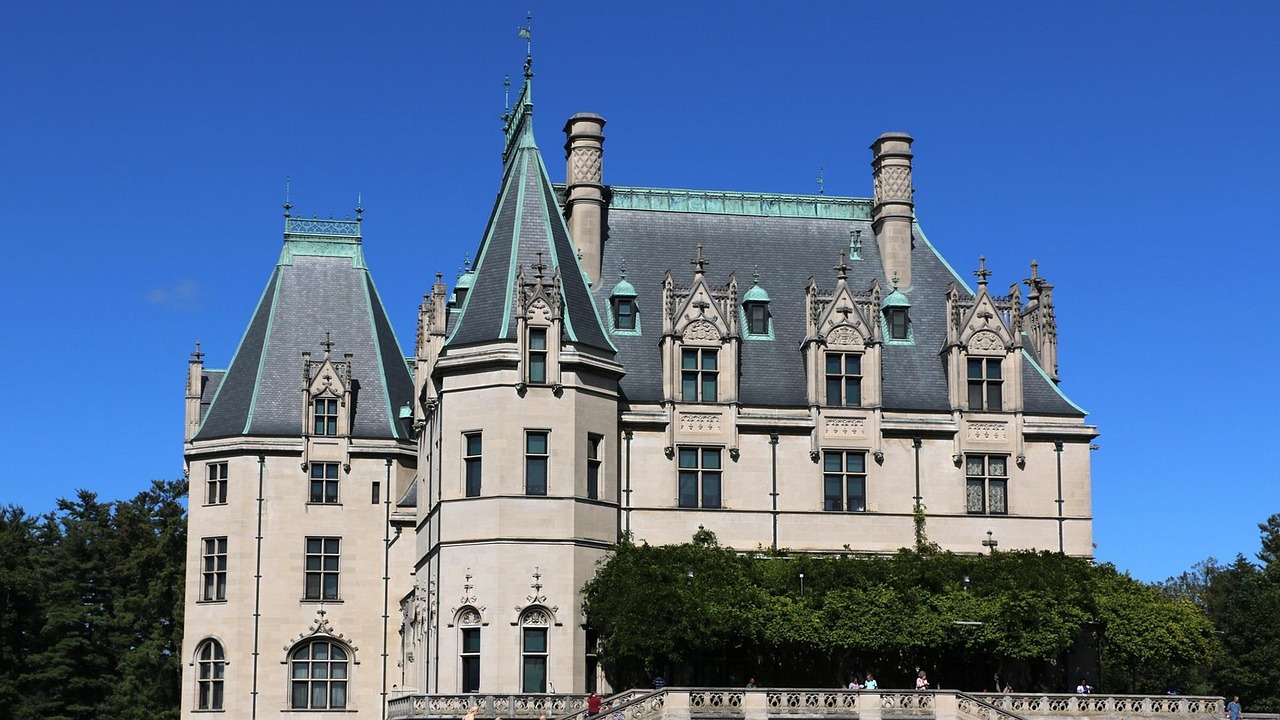
ART, Asheville Rides Transit, is at the core of the city’s transportation network. It is a bus system that links downtown with the other neighborhoods, cultural districts, shopping centers, and even major attractions such as the Biltmore Estate.
By using buses along with shuttles, ride-hailing, and walking in the city center, which is very pedestrian-friendly, ART not only saves you money but also gives you the opportunity to travel in a less stressful and more environmentally friendly manner. This guide will familiarize you with all the information one needs to bus travel such as places to stay, how bus services operate, the routes that you will use the most, and a stepwise plan of bus journeys for three days without a car.
Understanding Public Transport in Asheville
The only mode of public transport that the city of Asheville offers is the use of buses. The ART(Asheville Rides Transit) system is composed of more than 15 routes that cover the whole city, leaving from the ART station, which is located on Coxe Avenue in downtown Asheville.
Key Details:
-
Main Hub: ART Station, 49 Coxe Avenue, downtown Asheville
-
Hours of Operation: Monday–Saturday, 6:00 AM – 10:00 PM (limited service on Sundays)
-
Fares:
-
$1.00 a ride
-
$0.50 a ride for seniors, students, and disabled riders
-
$9.00 for a 10-ride booklet
-
$20.00 for a 30-day unlimited pass
-
Payment Methods: ART Station cash (exact change), ticket booklets, or monthly passes purchased.
Seasonal shuttles and private transportation services are used to fill in the gaps, such as the hop-on hop-off trolley tours or dedicated Biltmore shuttles.
Rideshare apps like Uber and Lyft are also quite available for when you may need a late-night lift after the buses have stopped running.
Where to Stay for Easy Access to Public Transport?
In case you decide to depend on the public transportation system of Asheville, the apartment where you decide to stay will make a huge difference in how convenient your trip will be.
Best Areas to Stay:
-
Downtown Asheville: Downtown Asheville is the most central, walkable, and closest neighborhood to the ART Station. It is a perfect place for first-time visitors. You can stay at Aloft Asheville Downtown, Hotel Indigo, or Cambria Hotel Downtown.
-
River Arts District (RAD): The River Arts District is a great neighborhood for artists and has bus routes W1 and W2 bus connections. It is best for art fans and people who want an extraordinary place to stay. Besides, the art hotels, The Radical and Wrong Way River Lodge are great options.
-
West Asheville: West Asheville is a charming neighborhood that is connected to Route W5 and offers great cafés and breweries, and has a local, quirky vibe. It is ideal for long stays and for those who are on a budget. There are mostly Airbnbs and guesthouses here.
-
Biltmore Village: The village of Biltmore is an S3 route connected, offering a historic and lovely aspect of the Biltmore Estate. It is perfect for families and history lovers. Hotels include the Grand Bohemian Hotel and the Village Hotel on the Biltmore Estate.
Navigating Asheville Rides Transit (ART)
The buses of Asheville are quite simple. The routes are color-coded on maps, and most of them go from the ART Station downtown.
Key Routes for Visitors:
-
N1 & N2: Connect downtown to North Asheville, UNC Asheville, and the Botanical Gardens
-
S3: Connects downtown to Biltmore Village and Biltmore Estate
-
W1 & W2: Serve the River Arts District
-
W5: Runs between downtown and West Asheville
-
S1: Connects downtown to Asheville Mall
The buses are nice, with air conditioning, and are reasonably on time, even though some only operate once an hour. It is advised to get the Transit App to have access to the real-time updates.
A Three-Day Itinerary Using Public Transport
Visiting people are frequently under the impression that the only way to discover Asheville is by car. Even though it is correct that numerous citizens heavily depend on their cars, the city of Asheville is definitely accessible without renting a vehicle because of the Asheville Rides Transit (ART) system, various shuttle options, and the walkable neighborhoods.
Here is a sample of a three-day itinerary that gives you the best of Asheville while traveling only by buses, shuttles, and walking.
Day 1: Downtown Asheville & The River Arts District
Exploring downtown should be the main activity on your first day, as most of Asheville’s cultural highlights and transport connections are located there. Are you staying in the vicinity of Pack Square, Biltmore Avenue, or Haywood Street? Then many attractions will be within walking distance. In case not, use ART Routes N1 or N2 to get to Pack Square Park.
Go to Pack Square Park for the first part of your day. It is the public space where Asheville usually has events and concerts. Next, the Asheville Art Museum is the next location you want to visit from here to see its attractive historic and modern art. Also located here is the Thomas Wolfe Memorial, the vintage childhood home of the author, Thomas Wolfe.
Where to have lunch? Just take ART Route S5 down to the South Slope Brewing District. You will find there casual restaurants, coffee shops, and craft breweries. Burial Beer Co. and Green Man Brewery are local favorites.
In the afternoon, use ART Route W3 to the River Arts District (RAD). RAD is where you can visit artist studios in the middle of the day, view glass-blowers and potters creating new pieces, and at the same time, admire murals on a walk along the French Broad River. Depot Street is the liveliest stretch, and it’s directly accessible from the W3 bus stop.
Get on the same bus to go back to downtown and have dinner at Curate (Spanish tapas) or Early Girl Eatery (farm-to-table) to end your day. For entertainment at night, you may like to have a drink at the rooftop bar at Capella on 9 or go to the venue with live music at The Orange Peel.
Public Transport Recap for Day 1:
Pack Square: ART Routes N1, N2
Downtown to South Slope: ART Route S5
Downtown to River Arts District: ART Route W3
Day 2: Parks, Nature & Biltmore Village
You can explore Asheville's outdoor life and past on your day two. First of all, Carrier Park is the best example of a place by the riverside where you can enjoy a walk or bike ride. From downtown, ride ART Route S5 west to the park, and if you have the time, go further to French Broad River Park, a place that is also green and has trails.
After that, come downtown and have a short lunch at the White Duck Taco Shop, which is located close to the River Arts District and can be reached by W3.
In the afternoon, you can take ART Route S3 south to Biltmore Village. At first, this was the area where the workers of the Biltmore Estate lived, while nowadays it has boutiques, art galleries, and cafés. The free shuttle from Biltmore Village to the mansion gates is a good way if you have purchased the Biltmore Estate tickets. Roam around the house, gardens, and winery for a few hours.
Visit the Asheville Pinball Museum or the Black Mountain College Museum + Arts Center, both of which are easily reachable on foot from the downtown bus stops, after coming back from Biltmore.
Public Transport Recap for Day 2:
Downtown to Carrier Park/French Broad River Park: ART Route S5
Downtown to Biltmore Village: ART Route S3
Biltmore Village to Biltmore Estate: Estate shuttle (with ticket)
Day 3: Black Mountain & Asheville’s Markets
On your last day, you can make a short trip out of town to Black Mountain, which is a 30-minute ride on the Trailblazer Bus with a view of the beautiful mountains or the great nature on the way. The trip departs from the ART Transit Center in downtown and is only about 30 minutes long with amazing views of the mountains on the way.
Experience the morning in Black Mountain, walking through the antique gallery and café-filled, wonderful, and delightful downtown. Have brunch at Louise’s Kitchen or Veranda Café. Take a beautiful walk at Lake Tomahawk Park after that, and you can bring your own food to eat as you enjoy the breathtaking mountain views and the easy trail around the lake.
Return to Asheville in the early afternoon and take ART Route W5 to the Asheville Farmers Market, where you can taste local produce and buy homemade crafts. From here, ride a shuttle or an ART bus to the Folk Art Center, where the Southern Highland Craft Guild, a group of the best artisans of handmade Appalachian art, has their display.
Visit downtown and go to the historic Grove Arcade, the final stop on your trip, a lovely 1929 building offering boutique shops and eateries. End your day with dinner at Bouchon (French bistro) or have a drink at Hemingway’s Cuba, the rooftop bar with fantastic and panoramic mountain views.
Public Transport Recap for Day 3:
Asheville to Black Mountain: Trailblazer Bus
Asheville to Farmers Market: ART Route W5
Farmers Market to Folk Art Center: Seasonal shuttle / ART connections
Downtown to Grove Arcade: Walkable from Transit Center
Tips for Getting the Most Out of Asheville’s Public Transport
-
Be sure to have the exact fare at hand, as the bus drivers are not obligated to provide change.
-
For real-time updates, use the Transit App or visit ART’s website.
-
Since some routes operate only once an hour, it’s wise to arrive early.
-
Rides on the bus can be complemented by walking, as both downtown and the River Arts District are walking-friendly.
-
When buses are no longer running, at around 10 PM, use Uber or Lyft to get to your destination.
The Benefits of Exploring Asheville Without a Car
There are many benefits of taking public transport in Asheville. It saves you a lot of money on a car rental, gas, and parking. It is also great for the environment.
It is your choice if you want to drive in the small mountain city with narrow streets and confusing signs or if you want to take the bus and reduce your stress. Most importantly, it allows you to mingle with the locals, which is something you wouldn’t get if you were driving a rental car.
Conclusion
While Asheville, North Carolina, is without subways or trains, the ART bus system is there to save the day and help you enjoy the city in a completely car-free manner. It is convenient to stay in downtown or in some other well-connected neighborhoods from where you can easily access major routes.
With a little planning, you can therefore get to landmarks such as the River Arts District, the Biltmore Estate, and the Botanical Gardens.
Using public transport to explore Asheville is not only the most convenient option but also a unique way of getting in touch with the city's culture and community spirit. Asheville embraces those who choose to go car-free, and you will find that by taking your time and letting the buses dictate your pace.
.jpg?alt=media&token=4e4d76db-0a8d-4885-81fe-5c6d56d1a957)
.jpg?alt=media&token=4f5c7f71-4e74-4046-8767-076cdae0281c)
.jpg?alt=media&token=1273884f-b65a-4062-b644-c40e61f16c1b)