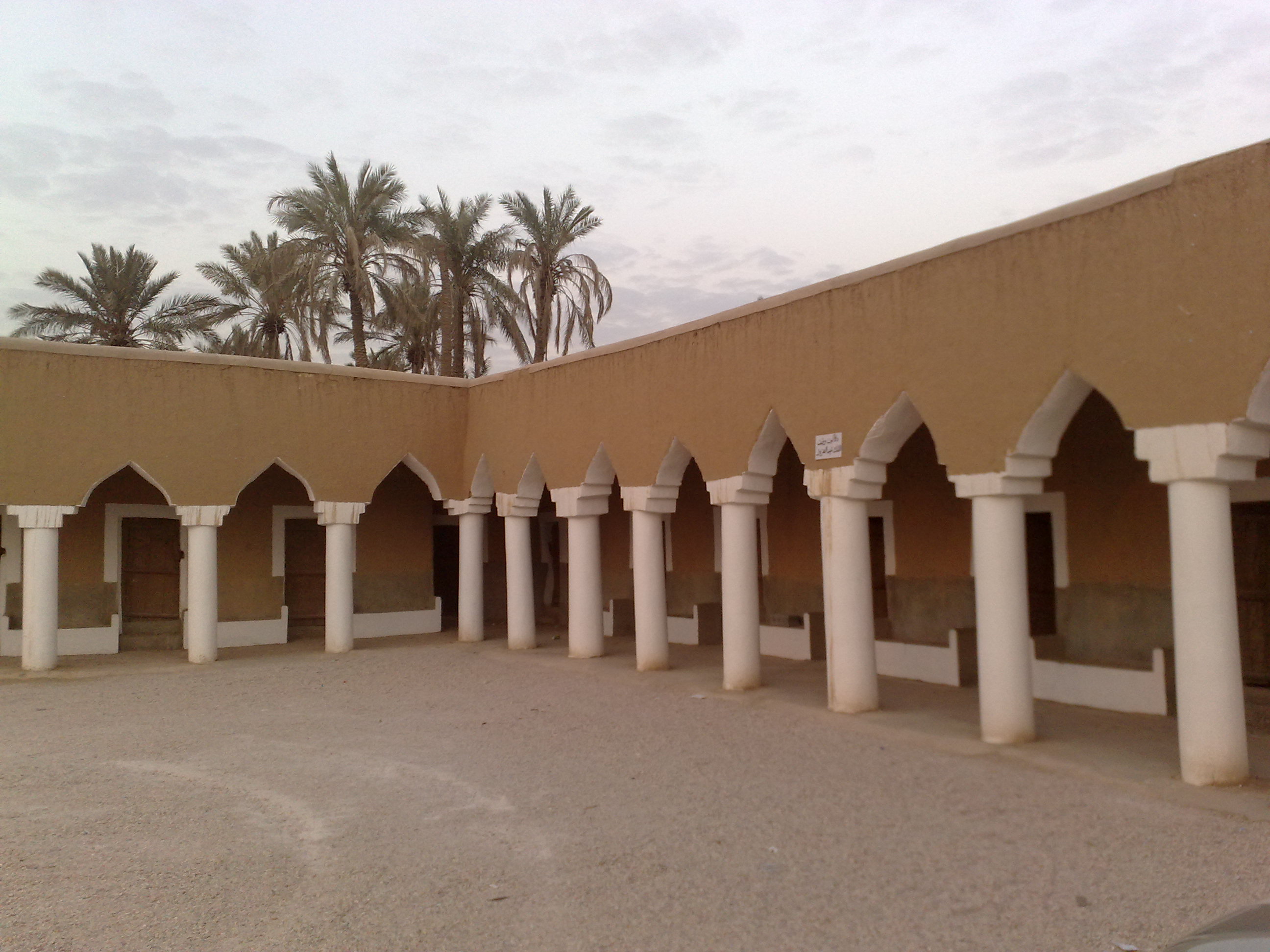
A Two-Day Itinerary to Explore Food in Riyadh
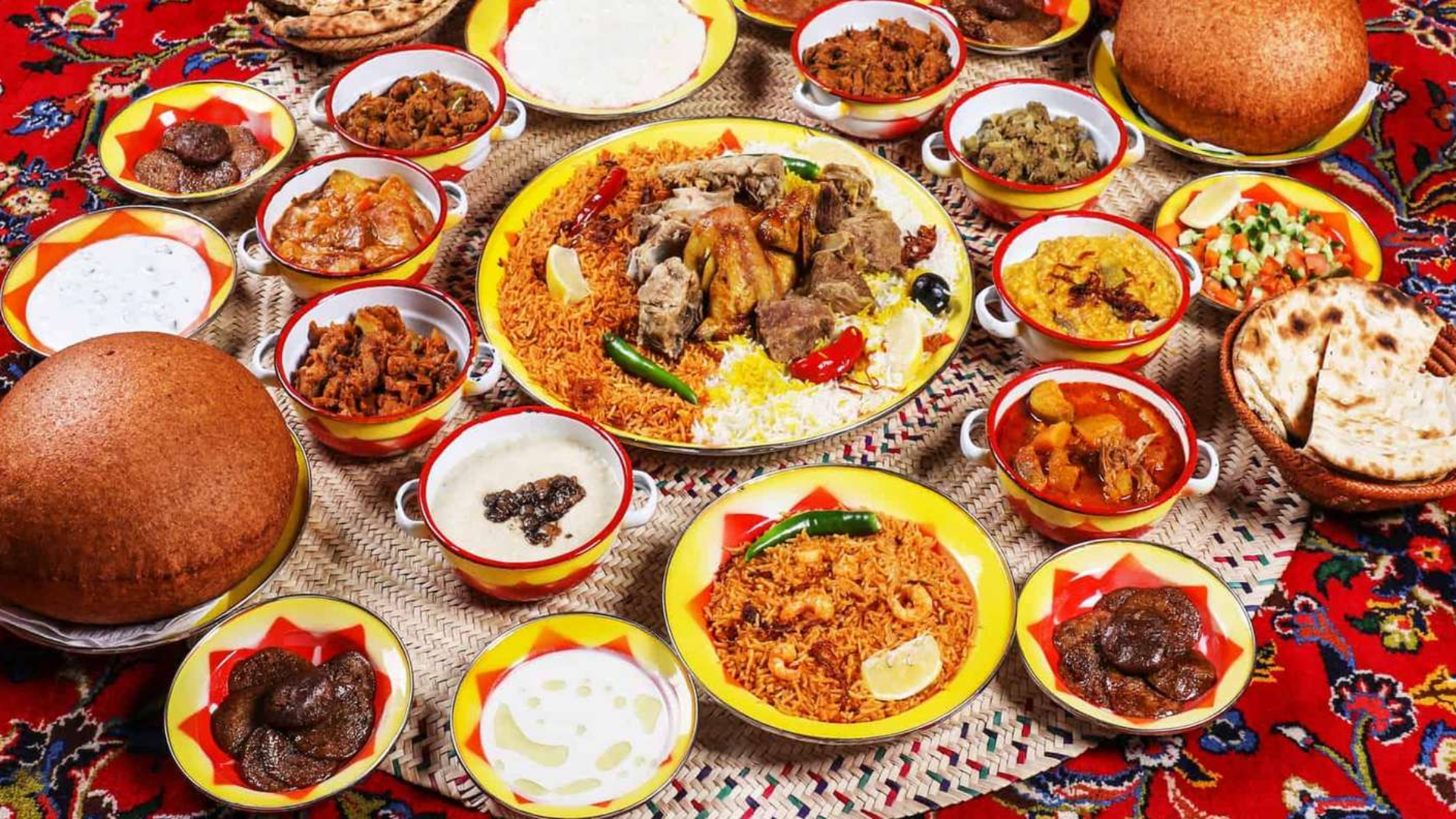
Food is one of the best ways to understand a city, and in Riyadh, every meal tells a story. The Saudi capital blends centuries-old Najdi traditions with global flavours from across the Middle East and beyond. From slow-cooked rice dishes served in heritage restaurants to sizzling street food enjoyed late at night, Riyadh’s culinary scene is rich, welcoming, and deeply tied to local culture. For travellers who love exploring a destination through its food, this two-day food itinerary offers a delicious introduction to the city.
Day 1: Discover Traditional Saudi Flavours
Morning: A Traditional Saudi Breakfast
Start your culinary journey the way many locals do — with a simple but flavourful Saudi breakfast.
Breakfast cafés in Riyadh often serve traditional dishes alongside fresh bread and aromatic coffee. A common way to begin the day is with Arabic coffee, known locally as qahwa, served with dates. This lightly roasted coffee is infused with cardamom and offered as a symbol of hospitality across Saudi homes and restaurants. For a traditional breakfast experience, visitors can try places like Tamees 09, a popular local spot known for freshly baked tamees bread from clay ovens, or Mama Noura, a casual eatery loved by locals for affordable Middle Eastern breakfast dishes. Another simple option is Foul Tamees Restaurant, where travellers can enjoy authentic foul and freshly baked bread.
Typical breakfast dishes to try include foul, mashed fava beans cooked with olive oil and spices, and tamees, a soft traditional bread often served warm. Many cafés also offer fresh labneh, local cheese, and dates. Cafés in traditional neighbourhoods often provide outdoor seating where visitors can enjoy a slow morning while watching the city come to life.
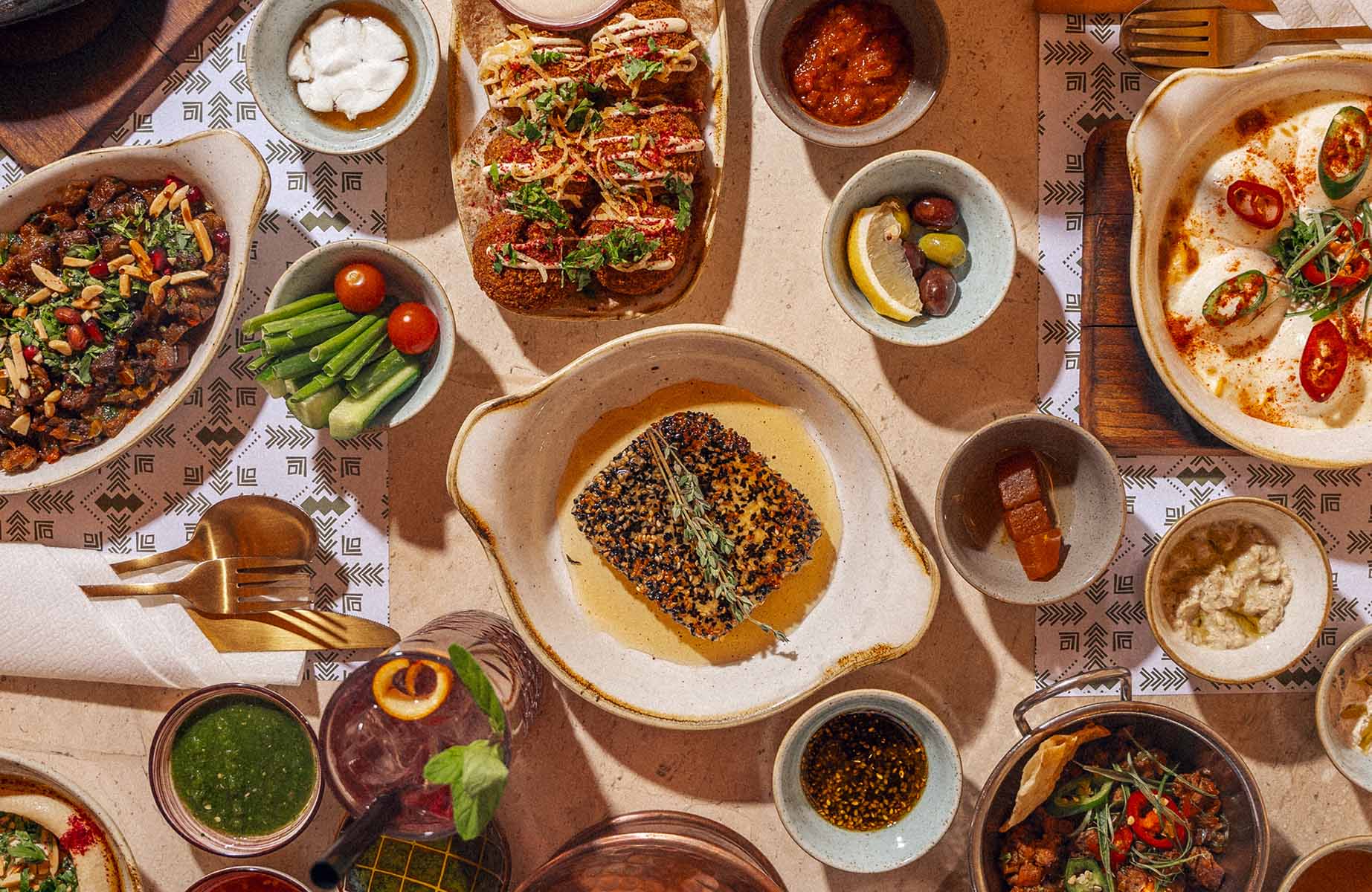
Afternoon: Lunch with Authentic Najdi Cuisine
For lunch, it’s time to experience the heart of Saudi cuisine. The central region of the country is known for rich dishes based on rice, wheat, and slow-cooked meats. One of the most famous dishes is kabsa, widely considered the national dish of Saudi Arabia. This fragrant rice dish is cooked with spices such as cardamom, cinnamon, and saffron, then topped with chicken or lamb and garnished with nuts and raisins. Another popular dish is mandi, where marinated meat is slow-cooked in a traditional underground oven, giving it a distinctive smoky flavour.
Travellers can enjoy these dishes at traditional restaurants such as Najd Village Restaurant, which recreates the atmosphere of a traditional Najdi home and serves classic regional cuisine. Another popular choice is Al Romansiah, a local favourite known for generous portions of kabsa and mandi at affordable prices. For a modern interpretation of Saudi food, visitors can try Takya, a restaurant that presents traditional dishes with a contemporary twist.
Meals are often served on large platters meant for sharing, reflecting the communal nature of dining in Saudi culture.

Evening: Riyadh’s Street Food Scene
As the sun sets and the temperatures cool, the streets of Riyadh come alive with casual eateries and food stalls. This is the perfect time to explore the city’s street food culture. One popular street food is mutabbaq, a thin pan-fried pastry stuffed with minced meat, eggs, onions, and spices. The outside is crispy while the filling remains savoury and rich.
Travellers can also try shawarma wraps, fried samboosa pastries, fresh fruit juices, and karak tea. Popular casual eateries include Shawarmer, a well-known Saudi chain famous for its creative shawarma varieties, and Mama Noura, which is also popular for quick bites late into the night. Another widely loved fast-food restaurant is AlBaik, known across the country for its fried chicken and seafood meals.
For visitors, exploring Riyadh’s evening food scene offers a lively glimpse into everyday life in the capital.

Day 2: From Heritage Cuisine to Modern Dining
Morning: Café Culture in the Capital
Riyadh’s café culture has grown rapidly in recent years, with stylish coffee shops appearing across the city. These cafés serve specialty brews, pastries, and modern breakfast dishes inspired by both local and international flavours.
Visitors can start their morning at cafés such as Bateel Café, known for premium dates and elegant breakfast plates, or Half Million, a trendy coffee shop famous for specialty coffee and minimalist interiors. Another popular option is Urth Caffé Riyadh, which serves organic coffee, pastries, and fresh breakfast dishes.
Typical café breakfasts include a latte or Saudi-style coffee paired with date pastries, honey-drizzled bread, or light breakfast plates inspired by local ingredients. Many cafés also feature rooftop seating and modern interiors that make them appealing to photographers and travellers looking for relaxed mornings.
Afternoon: Explore Traditional Najdi Comfort Foods
For lunch on the second day, travellers can explore more traditional Najdi comfort dishes that reflect the culinary heritage of central Saudi Arabia. Two dishes worth trying are jareesh and matazeez. Jareesh is made from crushed wheat cooked slowly with meat and spices until it becomes soft and creamy, often topped with fried onions. Matazeez consists of hand-rolled dough pieces cooked in a rich stew with vegetables and meat. These dishes can be enjoyed at restaurants such as Najd Village Restaurant or Takya, both of which specialise in authentic Saudi flavours.

Evening: A Memorable Food Experience
End the culinary journey with a relaxed dinner at one of Riyadh’s refined restaurants that blend international flavours with stylish dining settings.
One notable restaurant is ROKA Riyadh, an internationally recognised Japanese robatayaki restaurant featured by the Michelin Guide. Another elegant dining option is Myazu Riyadh, known for its contemporary Japanese cuisine and stylish atmosphere. Visitors looking for something different can also try Lusin, a popular Armenian restaurant appreciated for its warm ambience and flavourful dishes.
Dinner is often accompanied by fresh salads, yoghurt sauces, and warm flatbreads. To end the meal, many travellers enjoy traditional desserts made with dates, honey, and nuts, followed by a cup of aromatic Arabic coffee.

A City Best Discovered Through Food
Exploring Riyadh through its cuisine reveals a city that is both deeply traditional and constantly evolving. Ancient Najdi recipes sit comfortably alongside modern cafés and vibrant street food stalls.
Over two days, travellers can experience comforting wheat dishes, fragrant rice platters, crispy street snacks, and the timeless ritual of Arabic coffee.
For anyone visiting Saudi Arabia, discovering Riyadh’s food culture is more than a culinary adventure. It is an invitation to experience the warmth, history, and hospitality of the Kingdom itself.


.jpg?alt=media&token=2bf52fc0-8872-483e-a948-e356a927413b)